Axon Vision ForceField: Compact Counter-UAS Protection for Mobile Forces
Axon Vision’s new ForceField system brings Edge AI counter-UAS protection to mobile units. Operators should understand how compact C-UAS solutions could affect flight permissions, fleet planning, and the pre-owned drone market.

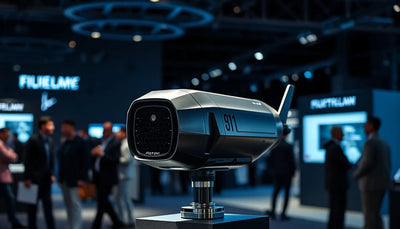
Axon Vision has completed development of ForceField, an integrated compact end-to-end counter-UAS protection solution designed specifically for maneuvering forces. Announced in July 2026, the system leverages Edge AI to detect, track, and mitigate unauthorized drones in real time, all within a form factor that can be deployed rapidly by military units in the field. For commercial drone operators and fleet managers, this product marks another step in the ongoing evolution of drone airspace security—one that will inevitably shape how and where unmanned aircraft can be flown.
The growing demand for portable counter-UAS systems
ForceField arrives at a time when counter-UAS technology is no longer limited to fixed air-base installations. Mobile and expeditionary forces increasingly require protection that can travel with them. According to the source, Axon Vision designed ForceField as an “end-to-end” solution for “maneuvering forces,” emphasizing that the system is compact enough to be integrated into vehicles or carried by small teams. This portability reflects a broader market trend: the need for drone defense that can scale down from national airspace to a single convoy.
For commercial drone pilots, this development suggests that counter-UAS systems will become more common in temporary locations—construction sites, disaster zones, or event venues—not just permanent airports. Fleet operators planning flights in areas where military or security exercises occur may face new restrictions or require prior coordination. It also reinforces the importance of operating drones with known electronic signatures or compliance features, as older pre-owned DJI drones that lack transparent identification could face greater scrutiny.
Fleet readiness
Keep DJI hardware available without overbuying new units.
Use defense and fleet news as a planning signal for repair support, inspected pre-owned aircraft, and replacement timing.

Edge AI and real-time decision-making
A key technical feature of ForceField is its use of Edge AI processing. Rather than relying on cloud connectivity or remote command centers, the system performs detection and mitigation locally. The source notes that ForceField is “Edge AI-powered,” meaning decisions about drone threats happen on the device itself. This reduces latency and makes the system effective even in contested or disconnected environments.
For drone operators, the operational implication is clear: counter-UAS systems are becoming faster and more autonomous. If you operate in environments where defense or security forces deploy such systems, your drone’s behavior—particularly its takeoff location, altitude, and radio-frequency profile—can be detected and classified in seconds. This places a premium on using drones that comply with emerging standards and can be positively identified. For buyers in the pre-owned DJI market, ensuring that used drones have up-to-date firmware and clear remote ID capability becomes more than a nice-to-have; it could be the difference between being allowed to fly and being grounded by an automated mitigation system.
What this means for drone buyers
ForceField is a military-oriented product, but its existence signals a maturation of counter-UAS technology that will ripple into civilian airspace. Drone buyers—especially those purchasing enterprise or pre-owned DJI drones—should consider the following:
- Resale value and compliance: As portable C-UAS solutions become more widespread, drones that can be positively identified and authenticated will retain higher value. Older pre-owned DJI drones that lack remote ID or transponder compatibility may become harder to sell or operate in protected areas.
- Fleet upgrade planning: If your fleet includes drones that are not easily distinguished by automated systems, you may face operational restrictions sooner than expected. Investing in newer models that support open identification standards can future-proof your fleet.
- Repair and service longevity: When repairing existing drones, using genuine OEM spare parts ensures that the aircraft maintains its original electronic signature and firmware integrity. Substandard third-party components could alter the drone's RF profile, potentially triggering false alerts in counter-UAS networks. For thorough maintenance, rely on professional DJI repair services that use OEM parts.
For those looking to upgrade or consolidate their fleets, the drone trade-in guide offers a practical way to transition older equipment into credit toward newer, more compliant hardware. And for buyers seeking cost-effective entry, the selection of pre-owned DJI drones that have been inspected for full remote ID compliance is worth exploring.
Preparing for a counter-UAS future
The introduction of ForceField is unlikely to be an isolated event. Axon Vision is one of several defense technology firms racing to provide tactical-grade drone defense. As these systems proliferate, commercial operators will need to adapt. Practical steps include:
- Monitoring local airspace notices for temporary C-UAS activations.
- Ensuring that all drones in the fleet are registered and broadcasting identification where required.
- Scheduling repairs with the highest quality parts to maintain compliance.
Fleet managers should also engage with their drone service providers to understand how counter-UAS systems operate in their area. In many cases, open communication can prevent misunderstandings that lead to enforcement actions or unnecessary disruptions.
Finally, the second-hand market may see shifts in demand toward drones that are easier to fly in regulated environments. Pre-owned DJI models that come with documented service history and verified firmware versions will command a premium. Sellers should keep careful maintenance logs, and buyers should request them before purchase.
What is Axon Vision's ForceField?
ForceField is a compact, Edge AI-powered counter-UAS protection system designed for maneuvering forces. It provides end-to-end detection, tracking, and mitigation of unauthorized drones without relying on cloud connectivity.
Will ForceField affect commercial drone flight near military areas?
Yes, where such systems are deployed, commercial drones may be subject to automated detection and, if not properly identified, mitigation. Pilots should check for temporary flight restrictions and ensure their drones broadcast compliant identification.
How should I prepare my drone fleet for the rise of portable C-UAS systems?
Ensure all drones have current firmware and remote ID capability where mandated. Consider upgrading older models through a trade-in program, and maintain repairs with genuine OEM parts to preserve the aircraft’s electronic signature.
Sources consulted
- SUAS News - primary source
Additional official documentation was not available at publication time.
Reboot Hub Editorial adds buyer, repair, resale, and operational analysis for drone owners. If you spot an error, contact us for correction review through our editorial policy.