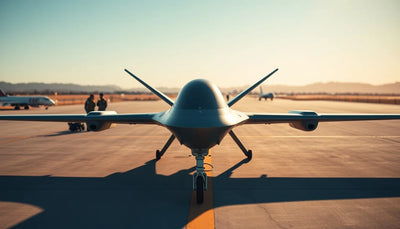
Archer Unveils Halo Autonomous Cargo VTOL for Long-Range Missions
Archer Aviation unveils Halo, an autonomous hybrid-electric VTOL cargo aircraft designed to carry heavy payloads over long distances without a pilot. The news signals a shift toward pilotless logistics.

Archer Aviation has pulled back the curtain on Halo, an autonomous hybrid-electric vertical takeoff and landing aircraft purpose-built for long-range cargo missions. The announcement, published July 28, 2026 by DroneDJ, describes a machine that can lift off like a helicopter, cover long distances like a fixed-wing airplane, and operate entirely without a human pilot onboard. For commercial drone buyers, fleet operators, and anyone following the cargo drone market, Halo represents a strategic shift in what autonomous air logistics can look like.
While Archer is best known for its eVTOL passenger air taxi work, Halo pivots those technologies into a purely cargo-focused application. The aircraft’s hybrid-electric powertrain suggests endurance beyond what battery-only drones can achieve, and its pilotless design removes the cost and weight of a cockpit and life-support systems. That combination gives fleet managers a new option for moving heavy payloads to locations where traditional aircraft cannot operate.
The Halo’s hybrid-electric and autonomous design
According to the source, Halo is an autonomous hybrid-electric VTOL. That means it uses electric motors for vertical lift—quiet, precise takeoffs and landings—and a fuel-burning generator or engine to extend its cruise range. The source emphasizes that it can “take off like a helicopter, fly long distances like an airplane, and do it all without a pilot.” No specific range or payload numbers are given in the source material, but the implication is clearly for heavy payloads over distances that outstrip today’s battery-only multicopter drones.
Market context
Turn market news into a buy, repair, or trade-in decision.
Compare pre-owned availability, resale timing, and repair economics before the market moves again.

For operators currently flying large drones like the DJI Matrice 350 RTK or the DJI FlyCart 30, Halo offers a step-change in payload capacity and mission endurance. The hybrid-electric approach addresses the single biggest limitation of existing cargo drones: battery range. By using fuel for cruise, Halo could potentially fly hundreds of kilometres with a cargo load that would otherwise require a light aircraft with a pilot. That opens up logistics routes such as remote medical supply deliveries, offshore parts transport, and inter-island freight that are currently served by piloted planes or ground transport.
One concrete implication: any fleet operator evaluating heavy-lift drones should now consider where hybrid-electric autonomy fits into their long-term planning. If Halo reaches production and achieves regulatory certification, it could replace multiple smaller drone flights or even small piloted aircraft. For now, the announcement confirms that a major player believes the market is ready for pilotless cargo VTOLs that bridge the gap between drones and cargo planes.
Market implications for existing drone fleet operators
The introduction of a purpose-built autonomous cargo VTOL like Halo will not kill the market for conventional drones overnight. But it does create a new tier of capability that could reshape how fleet managers allocate equipment. Today’s commercial drone operators typically work with payloads under 30 kg and flight times under an hour, using battery-powered quadcopters or octocopters. Halo targets a heavier, longer-range niche that currently has no mass-market drone solution.
For organizations that operate fleets of smaller drones for same-day delivery or short-range logistics, Halo is complementary rather than competitive. A Matrice 300 with a loudspeaker or sensor payload is not a substitute for a cargo VTOL. But for operators who have been considering adding a heavy cargo airframe—such as a wing-tilt VTOL or a traditional cargo UAV—Halo represents a credible upcoming option. The pre-owned DJI drone market could see a soft shift: as some fleets upgrade to larger autonomous cargo aircraft, they may offload older heavy-lift models like the DJI FlyCart 30 or the Matrice 600 Pro. That could increase supply of inspected pre-owned drones for smaller operators who do not need the full Halo capacity.
What should a buyer, pilot, or fleet manager do differently after reading this? First, reassess your cargo volume and route profiles. If your operations require moving 50+ kg over 100+ km, it is worth tracking Archer’s certification timeline and considering whether a pre-owned DJI drone trade-in today could help fund a future autonomous cargo fleet. For most operators, however, the immediate takeaway is to monitor how battery range and autonomy regulations evolve. The Halo is not yet in service, but its unveiling confirms that the industry is moving toward pilotless heavy lift.
What this means for drone buyers
For anyone purchasing commercial drones in 2026, the Halo announcement signals that the cargo drone market is diversifying. Buyers should not expect to see Halo on the pre-owned market anytime soon, but the news does affect buying strategy in the present. Here are the key points for buyers, whether they are looking at new or pre-owned DJI drones:
- Heavy-lift drone demand may shift toward hybrid or autonomous platforms over the next two to three years. If you need a heavy payload today, buying a used DJI model could offer better value than paying a premium for a new battery-only drone that might lose resale value faster.
- A used heavy-lift drone purchased now will likely have good trade-in value if you later upgrade to a Halo-class aircraft. Use our drone trade-in guide to understand current valuations.
- Repair services will become more important as fleets hold onto legacy airframes longer. If you buy a pre-owned DJI Matrice today, expect to invest in professional DJI repair services to keep it airworthy for years while waiting for autonomous cargo VTOLs to mature.
One direct implication: if you are a buyer on the second-hand market, look for DJI heavy lifters that have been well-maintained with genuine OEM spare parts. These will retain value better than drones that have been modified or poorly repaired. The Halo announcement should not panic buyers into delaying purchases, but it should sharpen their focus on total cost of ownership and future scalability.
For fleet operators, the message is more strategic. Do not commit to a large fleet of new battery-only cargo drones without reviewing how hybrid-electric autonomy might change your route economics within 24 months. A small fleet of pre-owned DJI platforms today, combined with a carefully timed transition to autonomous VTOL later, could be the most capital-efficient path.
Autonomy, hybrid power, and the repair ecosystem
The Halo’s pilotless design has another important consequence: it removes the single most expensive crew cost from cargo operations. That is a strong driver for adoption in logistics companies that currently rely on piloted light aircraft. But it also means the aircraft itself must be highly reliable and maintainable without on-board human intervention. This places a premium on rugged design and predictable maintenance intervals.
For the drone repair business, the rise of autonomous VTOL cargo aircraft does not reduce the need for skilled repairs—it changes the skill set. Technicians who today repair DJI gimbals, motors, and flight controllers will, in a few years, need to understand hybrid propulsion systems, tilt-rotor mechanisms, and autonomous navigation sensors. The professional DJI repair services market will remain strong as long as legacy DJI drones stay in service, but new training pathways will open up for hybrid VTOL maintenance.
One concrete detail from the source: Archer’s Halo is built for “places where traditional aircraft often can’t operate.” That implies short, unprepared landing zones, possibly in remote or challenging terrain. Such missions place extra stress on airframes and components. Operators who plan to fly Halo will need robust spare parts supply chains and repair facilities that can handle composite airframe repairs, hybrid engine overhauls, and high-voltage electrical system troubleshooting. The pre-owned DJI market may actually benefit: as operators deploy new autonomous cargo VTOLs on long-range routes, they will still need smaller drones for inspection, local delivery, and monitoring of those same remote facilities. That keeps demand steady for the kinds of pre-owned DJI drones that can handle those supporting roles.
For repair customers, the near-term advice is to invest in stock of genuine OEM spare parts for your current DJI fleet. If the cargo drone market undergoes a rapid shift toward hybrid autonomy, parts for legacy electric drones could become scarcer as manufacturers shift production to new airframes. Being stocked up now protects your operational readiness.
FAQ: Archer Halo and the cargo drone market
Is the Archer Halo available for purchase now?
The source indicates that Halo has been unveiled as an aircraft concept, but no production timeline or pricing was provided. Commercial buyers should expect several years of certification testing before deliveries begin. In the meantime, battery-powered drones from DJI and others remain the practical choice for most cargo tasks.
Will the Halo replace DJI cargo drones like the FlyCart 30?
Not directly. The FlyCart 30 is an electric multicopter designed for short-range deliveries up to about 30 kg. Halo targets heavier payloads over much longer ranges using hybrid-electric power. Both types will coexist, with Halo covering missions that are too heavy or long for today’s drones. Fleet operators may run both in complementary roles.
How does the Halo announcement affect the pre-owned drone market?
If cargo drone operators begin to transition toward autonomous VTOL platforms, they may sell off existing heavy-lift drones. This could increase supply of pre-owned DJI models such as the Matrice 600 or FlyCart 30, making them more affordable for smaller operators. However, the timeline for any such shift is uncertain, so current market conditions remain driven by normal supply and demand.
Sources consulted
- DroneDJ - primary source
Additional official documentation was not available at publication time.
Reboot Hub Editorial adds buyer, repair, resale, and operational analysis for drone owners. If you spot an error, contact us for correction review through our editorial policy.