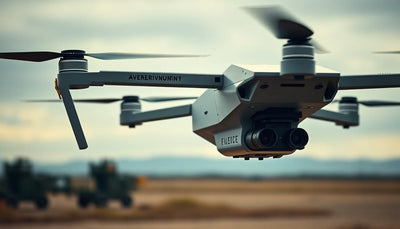
Amazon Drone Delivery Returns to California After Lockeford Exit
Amazon is bringing drone delivery back to California after its 2024 Lockeford exit, according to DroneXL. The move signals renewed commercial confidence in U.S. drone logistics and matters for operators watching delivery market expansion.

Quick answer
Amazon is returning drone delivery operations to California after exiting Lockeford in 2024, according to DroneXL reporting.
- Amazon previously ended Lockeford, California drone delivery operations in 2024
- DroneXL reports Amazon is now bringing drone delivery back to California
- The return signals renewed commercial investment in U.S. drone logistics
- The development matters for operators tracking delivery market expansion
Amazon is bringing drone delivery back to California after its 2024 exit from Lockeford, according to a DroneXL report. The development marks a notable reversal for the e-commerce giant, which had scaled back its U.S. drone delivery footprint in recent years while continuing to test and refine its Prime Air program in other locations.
Market context
Turn market news into a buy, repair, or trade-in decision.
Compare pre-owned availability, resale timing, and repair economics before the market moves again.

The reported return to California matters beyond Amazon's own logistics network. Commercial drone delivery has been a slow-building segment of the broader UAS market, and a major operator re-entering a high-visibility state sends a signal about operational readiness, regulatory navigation, and the commercial viability of last-mile drone delivery. For drone buyers, fleet operators, and service providers, the move is worth watching as a potential indicator of where the delivery drone market is heading in late 2026.
What the DroneXL report says
DroneXL, the primary reporting source for this development, indicates that Amazon is returning drone delivery operations to California after the company exited Lockeford in 2024. The Lockeford program had been one of Amazon's early U.S. drone delivery testbeds, and its closure was widely read as a pullback from the ambitious expansion timeline Amazon had previously outlined for Prime Air.
The reported return does not yet come with detailed operational specifics in the source material, such as the exact California location, launch date, or aircraft platform involved. Reboot Hub analysis suggests operators should treat the development as a directional signal rather than a fully specified operational rollout. Amazon has historically moved deliberately with Prime Air, adjusting service areas and delivery parameters as it gathered real-world performance data. A return to California would suggest the company has resolved enough of the operational or regulatory friction that contributed to the Lockeford exit to justify renewed investment in the state.
Why California matters for commercial drone delivery
California is a strategically important market for drone delivery for several reasons. The state has dense suburban and urban populations, high e-commerce order volumes, and a regulatory environment that, while demanding, has supported drone testing and operations in various capacities. Amazon's decision to exit Lockeford in 2024 was seen by some industry observers as a setback for the broader U.S. drone delivery narrative. A return, if confirmed and sustained, would help rebuild confidence in the segment.
Reboot Hub analysis: For commercial operators outside Amazon's ecosystem, the practical implication is twofold. First, renewed drone delivery activity in California could increase public and regulatory familiarity with routine drone flights in populated areas, which may ease operating conditions for other commercial drone businesses over time. Second, it could create secondary demand for drone-related services, including maintenance, parts sourcing, and operational support, as delivery networks require consistent fleet upkeep. Operators who already service commercial drone fleets should monitor whether Amazon or its contractors create new service demand in the region.
What this means for drone owners and the market
The reported return of Amazon drone delivery to California is not a direct DJI product story, but it does have indirect implications for the broader commercial drone market and the pre-owned DJI ecosystem. Delivery drone programs operate on a different hardware model than consumer and enterprise camera drones, yet they share a common supply chain for components, batteries, sensors, and skilled maintenance labor. When a major delivery program expands, it can tighten availability of certain OEM-pulled parts and repair capacity in the surrounding region.
For drone buyers and fleet managers, the practical takeaway is to pay attention to how commercial delivery expansion affects the service and parts landscape. Operators who rely on genuine OEM spare parts and professional DJI repair should note that a busier commercial drone environment can shift repair queue times and parts availability, especially for components that overlap between delivery platforms and enterprise camera drones. Reboot Hub analysis suggests that buyers considering pre-owned DJI drones may want to factor in regional service demand when planning maintenance schedules and spare parts purchases. For those tracking the pre-owned market, the Drone Wiki offers reference material on DJI platforms and ownership considerations. For owners evaluating service and lifecycle risk, Drone Wiki explains the relevant repair, parts, resale, or operational path.
What should a buyer, pilot, or fleet manager do differently after reading this? The most sensible action is to treat the Amazon development as a market signal rather than an immediate operational change. If you operate in California or plan to expand there, monitor whether drone delivery activity increases demand for shared airspace, maintenance services, or parts. If you are a repair customer, consider whether regional service providers might see higher volume if commercial delivery operations scale. None of this requires immediate action, but it does argue for staying informed about how commercial delivery networks evolve.
The broader delivery drone outlook
Amazon is not the only company pursuing drone delivery, but its scale and visibility make its decisions influential. The reported California return follows a period in which several delivery drone programs have recalibrated their expansion plans, focusing on fewer locations with higher operational reliability rather than broad geographic rollouts. This pattern suggests a maturing market where operators prioritize sustainable unit economics over rapid expansion.
For the commercial drone industry, the implication is that delivery drone growth will likely remain uneven and regionally concentrated. Operators and service providers should not expect a sudden nationwide boom in delivery drone activity, but they should expect continued investment in select markets where regulatory conditions, population density, and logistics infrastructure align. California, with its large consumer base and established drone ecosystem, fits that profile. The DroneXL report, while limited in operational detail, is consistent with a broader pattern of selective reinvestment in high-potential delivery markets.
FAQ
Frequently asked questions
Is Amazon drone delivery returning to California?
According to DroneXL reporting, Amazon is bringing drone delivery back to California after exiting Lockeford in 2024. The source does not specify the exact location or launch date.
Why did Amazon leave Lockeford in 2024?
The DroneXL report references the 2024 Lockeford exit but does not provide detailed reasons in the source material. Amazon has historically adjusted Prime Air locations based on operational and regulatory factors.
Does this affect DJI drone owners or repair customers?
The development does not directly involve DJI products, but expanded commercial drone delivery activity could influence regional parts availability, repair demand, and service capacity over time.
Which sources support this update?
The article distinguishes reported information from analysis and does not present an unverified source as official confirmation.
What remains subject to change?
Retail pricing, availability, product bundles and regulatory timelines can change. Readers should verify the latest terms with the named retailer, manufacturer or regulator before acting.
How should buyers or operators use this analysis?
Use the verified facts as a starting point, then compare mission fit, lifecycle support, maintenance needs and current procurement terms before making a purchase or fleet decision.
Sources consulted
- DIU Blue UAS - official government source
Additional official documentation was not available at publication time.
Reboot Hub Editorial adds buyer, repair, resale, and operational analysis for drone owners. If you spot an error, contact us for correction review through our editorial policy.