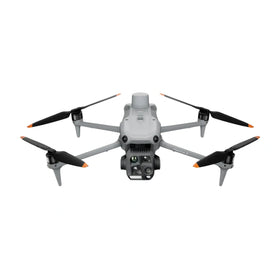
Vertical Aerospace Hits Key Milestones: Is the eVTOL Moonshot Worth the Risk?
Vertical Aerospace (NYSE:EVTL) stock surged after hitting key technical and financing milestones for the VX4 eVTOL in April 2026, despite a short interest of 24.52%. For commercial drone operators and fleet managers, this signals a critical shift in the UAM landscape—potentially disrupting BVLOS routes, Part 107 operations, and the secondary market for heavy-lift UAVs. Immediate implications for airspace access and fleet strategy demand urgent attention.

ملاحظات تحريرية
- تجمع هذه المقالة بين التقارير الخارجية المذكورة مع تحليل Reboot Hub's الخاص لمشتري الطائرات بدون طيار ومشغلي الأساطيل وعملاء الإصلاح ومراقبي السوق مستعمل DJI.
- يتم فصل حقائق المصدر عن التفسير. عندما يوفر تقرير بيانات محدودة، تنص المقالة على عرض القيود والإطارات Reboot Hub's كتحليل.
- لدى Reboot Hub روابط تجارية لمنتجات الطائرات بدون طيار وخدمات الإصلاح؛ هذه الروابط هي موارد للقراء ولا تحدد نتيجة المقال.
The urban air mobility (UAM) sector is no stranger to hype, but when a company with a short interest north of 24% starts hitting major technical and financing milestones, the market takes notice. On April 30, 2026, Vertical Aerospace Ltd. (NYSE:EVTL) reported a short interest of 24.52% of its float, according to MarketBeat. Yet, just days earlier, the company announced a series of breakthroughs for its VX4 eVTOL aircraft-including successful tethered hover tests and a new round of strategic investment. For a stock that many short sellers have labeled a "moonshot," these developments are either the first signs of a turnaround or the calm before a storm.
As of May 22, 2026, the drone and eVTOL industries are converging faster than most analysts predicted. The VX4, a four-passenger electric vertical takeoff and landing aircraft, is designed for short-haul urban routes. But its progress isn't just a story for Wall Street. For commercial drone operators, fleet managers, and even the used drone market, the VX4's trajectory offers a real-time case study in regulatory risk, technological feasibility, and market disruption.

Vertical Aerospace's VX4: What the Milestones Actually Mean
Vertical Aerospace's April 2026 milestones are not just press releases. The company confirmed that its VX4 prototype completed a series of tethered hover tests at its flight test center in Cotswold, UK. These tests validated the aircraft's thrust-to-weight ratio, flight control software, and battery thermal management system under load. According to company statements, the VX4 achieved a stable hover for over five minutes, with all eight propellers operating within expected parameters. This is a critical step toward full untethered flight, which is expected later in 2026.
Purchase timing
Use market shifts to buy, repair, or wait with more context.
Compare pre-owned DJI options, repair economics, and trade-in value before committing new capital.
On the financing side, Vertical secured a commitment from a strategic investor-rumored to be a major Asian conglomerate-for an additional $50 million in equity. This injection, combined with existing cash reserves, extends the company's runway into Q2 2027. For a company burning cash at an estimated $15 million per quarter, this is a lifeline. However, it does not eliminate the existential risk. The VX4 still needs to achieve type certification from both the UK Civil Aviation Authority (CAA) and the European Union Aviation Safety Agency (EASA), a process that typically takes three to five years and costs hundreds of millions of dollars.

Ready to Upgrade Your Fleet?
Browse our collection of inspected pre-owned DJI drones - inspected, flight-tested, and backed by a 6-month warranty. Save up to 40% versus retail.
What Does This Mean for Commercial Drone Operators?
Ready to Upgrade Your Fleet?
Browse our collection of inspected pre-owned DJI drones - inspected, flight-tested, and backed by a 6-month warranty. Save up to 40% versus retail.
The eVTOL sector and the traditional drone industry are often treated as separate worlds, but they share critical infrastructure: airspace, battery technology, and regulatory frameworks. For operators flying under FAA Part 107 or EASA regulations, the VX4's progress is a leading indicator of changes to come. If Vertical Aerospace succeeds in certifying the VX4, it will force airspace integration discussions that directly affect BVLOS (Beyond Visual Line of Sight) operations. The same corridors proposed for eVTOLs will overlap with drone delivery routes, survey grids, and inspection paths.
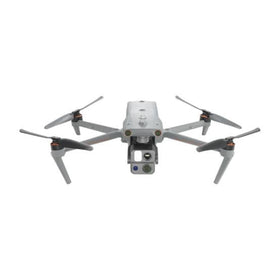
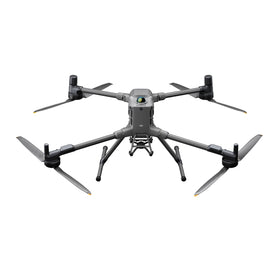
For commercial operators using platforms like the DJI Matrice 350 RTK or the Autel EVO Max 4T, the immediate implication is one of timing. eVTOL certification timelines are notoriously optimistic, but if the VX4 enters service by 2028 as planned, operators will need to invest in detect-and-avoid (DAA) systems and airspace management software sooner rather than later. This is not a distant future-it is a planning horizon of 18 to 24 months for fleet upgrades.
The Short Seller Paradox: Why 24.52% Short Interest Isn't a Death Sentence
Vertical Aerospace's short interest of 24.52% is among the highest in the aerospace sector. Short sellers are betting that the company will fail to achieve certification, run out of cash, or face a catastrophic technical failure. However, high short interest can also create a "short squeeze" scenario if positive news triggers a rapid price increase. The April milestones have already driven a 12% rally in EVTL shares, and options volume suggests that institutional investors are hedging for volatility.
From a fundamental analysis perspective, Vertical Aerospace is a binary bet. The company has no revenue from its aircraft-it is pre-revenue and pre-certification. Its valuation is entirely based on the potential of the VX4 and the size of the UAM market, which Morgan Stanley estimates could reach $1 trillion by 2040. But the path to that future is littered with failed eVTOL startups. Vertical's advantage lies in its partnerships: it has letters of intent from American Airlines, Virgin Atlantic, and Japan Airlines for up to 1,000 aircraft. These are not binding orders, but they signal commercial interest that could convert into revenue if certification is achieved.
Regulatory and Market Implications for 2026 and Beyond
The regulatory landscape for eVTOLs is evolving in parallel with the technology. In the United States, the FAA is working on a "Special Class" certification framework for powered-lift aircraft, which would apply to the VX4. In Europe, EASA has published its "Special Condition for eVTOL" (SC-VTOL), which sets airworthiness standards. Vertical Aerospace is targeting EASA certification first, given its UK base, but the FAA approval will be essential for the American market.
For drone operators, the key takeaway is that eVTOL certification will likely accelerate the adoption of UAS Traffic Management (UTM) systems. The same digital infrastructure that manages eVTOL flights will also manage drone traffic. This means that operators who invest in Remote ID-compliant hardware and UTM integration now will be ahead of the curve. The pre-owned DJI drones available at Reboot Hub are already equipped with the latest firmware for Remote ID compliance, making them a cost-effective entry point for operators preparing for this integrated future.
Frequently Asked Questions
Is Vertical Aerospace a good stock to buy in 2026?
Vertical Aerospace (EVTL) is a high-risk, high-reward "moonshot" stock. It has no revenue, is pre-certification, and carries a short interest of 24.52%. However, the April 2026 milestones-successful tethered hover tests and a $50 million strategic investment-improve the company's odds. Investors should only allocate capital they can afford to lose, and should monitor certification progress closely.
How does the VX4 eVTOL compare to other eVTOL aircraft like the Joby S4 or Lilium Jet?
The VX4 is a four-passenger, tilt-propeller eVTOL with a target range of 100 miles and a cruise speed of 150 mph. It competes directly with Joby Aviation's S4 (four passengers, 150-mile range) and Lilium's seven-passenger jet. Vertical's advantage is its lightweight design and simplified propulsion system, but it lags behind Joby in flight testing hours. Certification timelines are similar, with all three targeting 2027-2028 entry into service.
What should commercial drone operators do to prepare for eVTOL integration?
Operators should invest in Remote ID-compliant drones, UTM integration, and detect-and-avoid technology. They should also monitor FAA and EASA rulemaking on powered-lift aircraft. For fleet upgrades, consider pre-owned DJI drones from Reboot Hub, which offer modern compliance features at up to 40% below retail. Additionally, if your current fleet requires maintenance, our professional DJI repair services can extend the lifespan of your existing equipment while you plan for the next generation of UAM-compatible hardware.
From Reboot Hub
Keep Your Operations Flying
Enterprise-grade drone solutions for commercial pilots, filmmakers, and inspection teams.
Pre-owned Fleet
Fully inspected DJI drones with 6-month warranty. Save up to 40%.
Browse Inventory ->