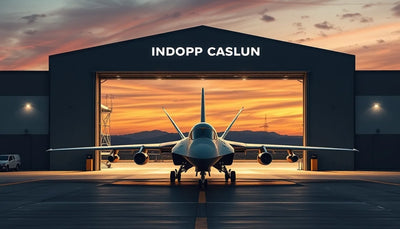
أسهم مسيرات الدفاع المربحة: لماذا تهم هوامش الربح المستثمرين؟
تُفرق هوامش التشغيل بين مقاولي الطائرات المسيرة في قطاع الدفاع المستدام وبين نظرائهم؛ وتعد شركة كراتوس (KTOS) نموذجاً على ذلك. وبالنسبة لمشتري هذه الطائرات، يمكن لبيانات الربحية هذه أن تساهم في تخطيط أكثر ذكاءً للأساطيل، واتخاذ قرارات مدروسة عند شراء طائرات DJI المستعملة.

قد لا تكون الربحية هي المعيار الأول الذي ينظر إليه مشتري الطائرات بدون طيار، ولكنها تستحق مكانة أساسية في إجراءات العناية الواجبة لكل مدير أسطول. ويسلط تحليل حديث من "ياهو فاينانس" (Yahoo Finance) لثلاثة أسهم مربحة في قائمة المراقبة الضوء على الشركات التي تتمتع بهوامش تشغيل قوية، وهي ميزة تمنحها تفوقاً تنافسياً. ومن بين الكيانات المذكورة شركة "كراتوس للحلول الدفاعية والأمنية" (Kratos Defense & Security Solutions) (KTOS)، وهي شركة متخصصة بعمق في الأنظمة غير المأهولة والتعاقدات الدفاعية. وبالنسبة للمشغلين التجاريين، وعملاء خدمات الإصلاح، والمشاركين في سوق DJI للمستعمل، فإن فهم الشركات المرتبطة بصناعة الدرونز التي تحقق أرباحاً حقيقية -وأسباب ذلك- يمكن أن يوجههم نحو اتخاذ قرارات أكثر ذكاءً في الشراء والإصلاح والاستبدال.
ويطرح التقرير هوامش التشغيل كمؤشر رئيسي لقدرة الشركة على إعادة الاستثمار لتحقيق توسع مستدام؛ فالشركات التي توازن بين الربحية وإعادة الاستثمار تضع نفسها في موقع يضمن لها النجاح على المدى الطويل. وبالتطبيق على صناعة الطائرات بدون طيار، يفصل هذا المبدأ بين الموردين المستدامين وأولئك الذين يكافحون للحفاظ على توافر قطع الغيار، أو دعم البرامج الثابتة (firmware)، أو استقرار أسعار طائرات DJI المستعملة. ورغم أن البيانات المصدرية لا توفر أرقاماً محددة لهوامش ربح شركة "كراتوس"، إلا أن الفرضية العامة واضحة: القوة المالية للشركات المرتبطة بالدرونز أمر حيوي للنظام البيئي بأكمله.
أهمية هوامش التشغيل في تعاقدات الدرونز الدفاعية
تحليل Reboot Hub: يشير تحليل المصدر إلى أن هوامش التشغيل القوية تتيح للشركات إعادة الاستثمار في البحث والتطوير، والقدرة الإنتاجية، ودعم العملاء. وفي سياق التعاقدات الدفاعية للطائرات بدون طيار، يترجم ذلك إلى سلاسل توريد أكثر موثوقية لقطع غيار OEM، وتنفيذ أفضل لضمانات الجودة، والقدرة على استيعاب تقلبات تكاليف المواد الخام دون تحميلها بالكامل للمشترين. وتعد "كراتوس"، على سبيل المثال، مورداً معروفاً للأهداف الجوية غير المأهولة والطائرات بدون طيار النفاثة للعملاء العسكريين. ومع أن المصدر لا يفصل منتجاتها المحددة من الدرونز، إلا أن الدلالة بالنسبة لمشغلي الأساطيل مباشرة: فالمقاول الذي يتمتع بهوامش ربح صحية يكون أقل عرضة للتوقف المفاجئ عن دعم منصة معينة، مما يجنب المالكين خطر امتلاك هياكل طائرات مهجورة بلا دعم.
Purchase timing
Use market shifts to buy, sell, repair, or wait with more context.
Compare trade-in timing, pre-owned DJI pricing, and repair economics before committing new capital.

أما بالنسبة لسوق المستعمل، فإن الحالة المالية للمصنعين الأصليين تؤثر على القيم المتبقية؛ فعندما يثبت مصنع الدرونز ربحية مستمرة، تميل السوق الثانوية لطائراته -بما في ذلك وحدات DJI المستعملة عندما تظل DJI نفسها مربحة- إلى الحفاظ على استقرارها. وبذلك يستفيد مشترو طائرات DJI المستعملة من تسعير متوقع وتوافر لقطع الغيار. وعلى العكس من ذلك، إذا تآكلت هوامش ربح مقاول الدرونز، تزداد مخاطر ندرة القطع أو تعطل البرامج الثابتة. ولهذا السبب، يجب أن تكون بيانات الربحية جزءاً من أي تحليل لاستبدال الأسطول أو توسيعه.
ماذا يعني هذا لمشتري الطائرات بدون طيار
بالنسبة لمشتري الدرونز التجاريين، وخاصة أولئك الذين يقيمون استثمارات الأسطول طويلة الأجل، يعد أداء هامش التشغيل للموردين الرئيسيين مؤشراً استباقياً لاستدامة دعم المنتج. فعندما تتمكن شركة مثل "كراتوس" من إعادة استثمار الأرباح في البحث والتطوير، قد تقدم تحديثات تصل في النهاية إلى الأسواق التجارية وأسواق المستعمل. ومع ذلك، يجب على المشترين توخي الحذر؛ فالربحية وحدها لا تضمن بقاء طراز معين من الدرونز في خط الإنتاج أو بقاء قطع الغيار بأسعار معقولة.
أحد الإجراءات العملية للمشترين هو مراعاة الاستقرار المالي للشركة المصنعة عند المفاضلة بين الطائرات الجديدة و طائرات DJI المستعملة. فالمصنع القوي مالياً يقدم عادةً خدمات إصلاح DJI احترافية وتوافر قطع غيار OEM أصلية بشكل أكثر استقراراً. بالإضافة إلى ذلك، يجب على المشغلين تتبع تقارير أرباح شركات الدرونز المدرجة في البورصة -مثل كراتوس- لتقييم مدى استثمار الشركة في المنصات التي يعتمدون عليها. ويشير تركيز المصدر على التوسع المستدام إلى ضرورة تفضيل المشترين للمصنعين الذين لا يحققون هوامش ربح عالية فحسب، بل يوجهون تلك المكاسب نحو تحسينات تخدم العملاء.
كيفية استخدام مشغلي الأساطيل لبيانات الربحية
تحليل Reboot Hub: يمكن لمشغلي الأساطيل الذين يديرون هياكل طائرات متعددة دمج التحليل المالي لموردي الدرونز في عمليات الشراء الخاصة بهم. وينطبق مفهوم المصدر حول "الميزة التنافسية من خلال إعادة الاستثمار" مباشرة على القرارات المتعلقة بتوحيد معايير العلامات التجارية للدرونز في الأسطول. فالمصنع الذي يحقق هوامش تشغيل قوية باستمرار يكون أكثر قدرة على تقديم تحديثات طويلة الأمد للبرامج الثابتة، وتحسينات في القياس عن بُعد (telemetry)، وإدارة دورة حياة البطارية. وبالنسبة للمشغلين النشطين في سوق المستعمل، فإن بيع أو استبدال درونز من مصنع قوي مالياً يحقق عادةً قيمة إعادة بيع أعلى.
كما يجب على المشغلين مراعاة التداعيات على عمليات الإصلاح وتوريد القطع؛ فإذا كانت هوامش ربح المصنع ضئيلة، قد يلجأ لتقليل مخزون المكونات الاحتياطية أو إسناد الإصلاحات لجهات خارجية أقل موثوقية. وهنا تبرز أهمية دليل استبدال الطائرات بدون طيار : فمن خلال استبدال المنصات القديمة من مصنعين مستقرين، يمكن لمديري الأساطيل تأمين رصيد لشراء أنظمة أحدث وأكثر قابلية للدعم. ولا تحدد البيانات المصدرية حداً أدنى معيناً للهامش، ولكن يمكن للمشغلين مراقبة التقارير الربع سنوية وعروض المستثمرين لرصد الاتجاهات؛ إذ قد يشير تراجع هامش التشغيل على مدار عدة أرباع إلى تحديات مستقبلية في الدعم.
سوق المستعمل والقيمة طويلة الأمد
يتأثر سوق الطائرات المسيّرة المستعملة، ولا سيما طراز DJI، بالوضع المالي العام لمنظومة الدرونز. ورغم أن نشاط شركة "كراتوس" يتركز أساساً في القطاع الدفاعي، إلا أن ربحيتها تؤثر على توجهات المستثمرين في القطاع بأكمله؛ فحينما تُعتبر أسهم درونز الدفاع مستقرة، يستفيد السوق برمته ــ بما في ذلك القطاعات التجارية والمستعملة ــ من زيادة الثقة. وبناءً على ذلك، يمكن لمشتري الطائرات المستعملة توقع استمرار توفر قطع غيار OEM وخبرات الإصلاح طالما ظلت الأعمال الأساسية للشركة المصنعة مربحة.
بالنسبة لعملاء خدمات الإصلاح، يعد الارتباط بين هوامش الربح وتوفر قطع الغيار أمراً بالغ الأهمية؛ إذ يستطيع مقاول الدرونز الذي يتمتع بهوامش تشغيل قوية تحمل تكلفة الاحتفاظ بمخزون من المكونات القديمة، مما يطيل العمر التشغيلي لطائرات DJI المستعملة في الميدان. لذا، يجب على المشغلين الذين يتولون صيانة أساطيلهم إعطاء الأولوية لتأمين قطع غيار OEM الأصلية من موزعين مدعومين بشركات مستقرة مالياً. ويعزز استنتاج المصدر ــ بأن أفضل الشركات هي التي توازن بين الربحية وإعادة الاستثمار ــ فكرة أن القيمة طويلة المدى في سوق المستعمل تعتمد على التزام الشركة المصنعة الأصلية المستمر بدعم المنصة.
الأسئلة الشائعة
كيف تؤثر ربحية شركة "كراتوس" على سوق DJI المستعملة؟
لا تعد "كراتوس" منافساً مباشراً لـ DJI، ولكن أداء سهمها في قطاع درونز الدفاع يؤثر على الثقة العامة للمستثمرين في قطاع الطائرات المسيّرة. فعندما يظهر مقاولو الدفاع هوامش تشغيل قوية، يميل سوق الأنظمة غير المأهولة بأكمله ــ بما في ذلك طائرات DJI المستعملة ــ إلى الاستفادة من استقرار الأسعار وتوفر قطع الغيار. ويتمثل التأثير غير المباشر في قدرة المشترين والبائعين على التعامل بيقين أكبر بشأن الدعم المستقبلي.
هل يجب أن أشتري طائرات مسيّرة من الشركات المربحة فقط؟
الربحية عامل واحد من عدة عوامل وليست الوحيدة؛ إذ يشير المصدر إلى أن الشركات ذات الهوامش القوية يمكنها إعادة الاستثمار لتحقيق توسع مستدام، مما يؤدي غالباً إلى دعم أفضل على المدى الطويل. ومع ذلك، قد تتوقف حتى الشركة المربحة عن إنتاج طراز معين أو تغير توجهها. لذا، يجب على المشغلين الجمع بين التحليل المالي ومراجعة مدى توفر قطع الغيار فعلياً، وفترات إنجاز الإصلاحات، وآراء المستخدمين قبل الالتزام بشراء أسطول.
هل يمكنني الاستعانة ببيانات هامش التشغيل عند استبدال طائرتي المسيّرة؟
تحليل Reboot Hub: نعم، بشكل غير مباشر. فعندما تقوم باستبدال طائرة مسيّرة من شركة مصنعة تتمتع بربحية ثابتة، تكون قيمة إعادة البيع عادةً أعلى لأن المشترين يرون مخاطر أقل. ويوفر دليل استبدال الدرونز منهجاً منظماً لتقييم عروض الاستبدال، كما أن معرفة الوضع المالي للشركة المصنعة يساعدك في التفاوض على سعر عادل. فالشركة المربحة تكون أكثر قدرة على دعم منظومة منتجاتها المستعملة عبر تحديثات البرامج الثابتة وتوفير قطع الغيار.
تمت استشارة المصادر
- How to Build a Stock Watchlist: The Complete Guide for 2026 - primary source
- Source material - primary reporting source
تضيف افتتاحية Reboot Hub المشتري والإصلاح وإعادة البيع والتحليل التشغيلي لأصحاب الطائرات بدون طيار. إذا اكتشفت خطأ، فاتصل بنا لمراجعة التصحيح من خلال سياستنا التحريرية.
هذه المقالة عبارة عن تعليق سوقي لمشغلي الطائرات بدون طيار والمشترين، وليست نصيحة استثمارية. لا تقدم Reboot Hub مشورة مالية أو توصي بمعاملات الأوراق المالية.