Percepto’s New AI Platform Transforms Drone Inspections for Energy
Percepto launches next-gen autonomous inspection software for oil and gas and utility firms. The platform prioritizes actionable data, changing how fleet operators choose drones and plan repairs. Learn what this means for your fleet.

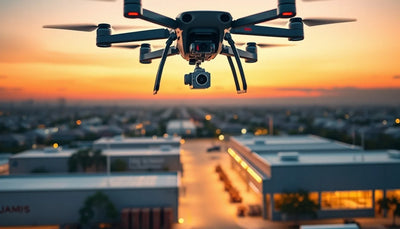
Percepto, a leader in autonomous drone solutions, has unveiled a new generation of inspection software aimed squarely at the energy sector. Announced this week at the InnovateEnergy Week conference in The Woodlands, Texas, the platform represents a shift from simply collecting aerial imagery to producing what the company calls “actionable data.” For oil and gas firms and electric utility companies, where operational uptime and safety are paramount, the distinction matters deeply. Instead of returning from a mission with thousands of raw images that require hours of manual review, operators can now receive pre-processed insights flagged by artificial intelligence.
This evolution in software capability arrives at a time when commercial drone adoption in energy is maturing. Fleet operators are no longer asking whether drones can fly—they are asking how to extract maximum value from every flight. Percepto’s announcement signals that the next competitive frontier is not hardware but the intelligence layer that sits above it. For anyone buying, selling, or repairing commercial drones, understanding this shift is essential for making smart investment decisions.
What the platform changes for inspection workflows
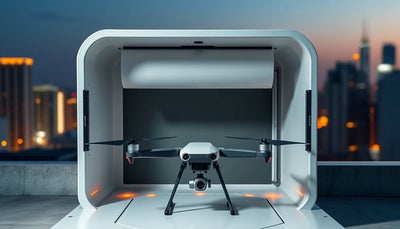
Percepto’s new platform is described as “next-generation inspection software” designed to automate the detection of anomalies in infrastructure—corroded pipelines, heat signatures on transmission lines, structural fatigue on storage tanks—without requiring a human to watch the video feed in real time. According to the source report, representatives of both oil and gas firms and electric utility companies in attendance at the conference were keenly interested in how the software could reduce downtime and improve safety margins.
Market context
Turn market news into a buy, repair, or trade-in decision.
Compare pre-owned availability, resale timing, and repair economics before the market moves again.

The practical implication is straightforward: if the software can reliably flag critical issues from autonomous flights, then the labor cost of data review drops significantly. A single inspector might have reviewed hours of footage per flight; now that review can be reduced to exception-based alerts. This changes the return-on-investment calculation for any company running a drone fleet. A drone that costs $10,000 to $20,000 becomes more valuable when its output is actionable within minutes. Fleet planners may begin prioritizing software compatibility over raw hardware specs when choosing their next drone.
What this means for drone buyers
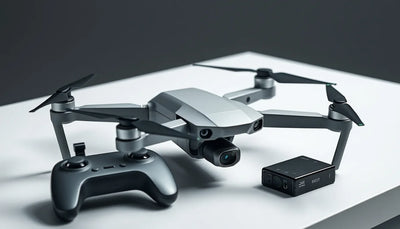
For commercial operators evaluating their next purchase, the Percepto announcement reinforces a key point: software ecosystems are becoming the primary driver of fleet value. Buying a drone that cannot integrate with modern AI inspection platforms may limit future productivity gains. However, that does not mean every operator needs to buy a brand-new high-end drone immediately. Many existing drones from DJI—such as the Matrice series or the Mavic 3 Enterprise—can be integrated into third-party inspection workflows if properly maintained. For buyers on a budget, the pre-owned DJI drones market offers a smart entry point: you can acquire a capable airframe at a lower cost and spend the savings on software subscriptions or sensor upgrades.
Fleet managers should also consider the maintenance side. As software demands grow, keeping drones in peak condition becomes more critical. A drone with poorly calibrated sensors or damaged gimbals will degrade the data quality that AI algorithms rely on. Operators who rely on aged hardware should explore professional DJI repair services to ensure their existing fleet can still meet modern data standards. If your current drone is nearing the end of its service life, the drone trade-in guide can help you understand the value of your used equipment and plan an upgrade path that aligns with the new software-driven landscape.
Implications for fleet planning and maintenance
When a platform like Percepto’s emphasizes actionable data, the entire fleet management lifecycle is affected. First, the choice of drone model must consider not only flight time and payload capacity but also the availability of software integration APIs. Second, maintenance schedules may need to become more stringent because AI anomaly detection is only as reliable as the sensor data it receives. A dirty lens, a misaligned thermal camera, or a slightly drifting IMU can produce false positives or missed detections.
The source data indicates that the platform is targeted at oil and gas firms and electric utility companies—sectors where regulatory compliance and safety records are under constant scrutiny. That means drones used in these inspections must be airworthy and traceable. Operators may want to keep a spare airframe on hand to avoid downtime during maintenance cycles. The pre-owned market can be a practical source for backup units. Similarly, having access to genuine OEM spare parts ensures that field repairs do not introduce compatibility issues that could compromise data quality.
Another operational consideration is training. AI inspection platforms often require pilots to understand not just flight procedures but also how to interpret software alerts and escalate findings. This may push fleet managers to invest in continuous training programs. While Percepto’s platform is designed to simplify the workflow, the human role shifts from data collector to data validator. That transition is a genuine change for teams that have been doing manual inspection for years.
Broader trends in autonomous inspection for energy
Percepto’s announcement is not an isolated event. The broader market for autonomous drone inspection in energy has been growing steadily as companies seek to reduce human exposure to hazardous environments and improve inspection frequency. The fact that this launch took place at InnovateEnergy Week, a conference focused on digital transformation in energy, underscores that drones are now a standard tool—not a novelty.
What does this mean for the second-hand drone market? As large energy enterprises upgrade to newer, software-compatible airframes, they often retire perfectly functional older drones. Those units enter the secondary market and become available for smaller operators, agricultural firms, or inspection startups that cannot justify buying new. That flow benefits buyers who are willing to trade marginal hardware age for significant cost savings. However, caution is warranted: older drones may lack the sensor precision or SDK support required by the latest AI platforms. Buyers should verify compatibility before purchasing any pre-owned drone intended for use with advanced inspection software.
For repair businesses, the trend toward software-centric operations means that hardware repairs are only part of the equation. A repaired drone must be calibrated to factory tolerances to ensure data consistency. Shops that specialize in OEM-pulled parts and sensor alignment will be in higher demand as more fleets depend on AI analysis. The emphasis on genuine OEM spare parts becomes even more important when the output is used for regulatory reporting or critical safety decisions.
What exactly does Percepto’s new platform do?
According to the source report, Percepto’s next-generation inspection software uses artificial intelligence to automatically detect anomalies in infrastructure—such as corrosion, heat spots, or structural damage—from data collected during autonomous drone flights. It is designed for oil and gas firms and electric utility companies to reduce manual review time and produce actionable results faster.
How does AI-driven inspection affect fleet upgrade decisions?
AI inspection platforms place a premium on sensor data quality and software integration. Fleet operators may need to ensure their drones are compatible with the platform’s APIs and maintain strict calibration standards. This can influence whether to buy new, pre-owned, or upgrade existing airframes in order to maximize the value of the software investment.
Should I sell my current drone to buy a model compatible with Percepto’s platform?
Not necessarily. Many modern drones, including those available pre-owned, can be integrated into third-party inspection workflows if they meet technical requirements. Before selling, consider whether your current drone can be maintained or upgraded with OEM parts to meet the data quality standards demanded by AI analysis. A professional repair assessment can help you decide.