New Zealand Shields Defense and Intelligence from Budget Cuts: What It Means for Drone Operators and the Pacific Security Landscape
New Zealand’s Finance Minister Nicola Willis has shielded defense and intelligence agencies from sweeping budget cuts, citing a strained global rules-based system. For commercial drone operators, this signals a surge in defense-focused UAV procurement, new Part 107-equivalent airspace restrictions, and a tightening of the second-hand drone market as government entities absorb high-end RTK mapping and ISR platforms. Immediate disruption is expected for BVLOS operators near military zones, while refurbished DJI Matrice and M30 series drones may see a price spike.

ملاحظات تحريرية
- تجمع هذه المقالة بين التقارير الخارجية المذكورة مع تحليل Reboot Hub's الخاص لمشتري الطائرات بدون طيار ومشغلي الأساطيل وعملاء الإصلاح ومراقبي السوق مستعمل DJI.
- يتم فصل حقائق المصدر عن التفسير. عندما يوفر تقرير بيانات محدودة، تنص المقالة على عرض القيود والإطارات Reboot Hub's كتحليل.
- لدى Reboot Hub روابط تجارية لمنتجات الطائرات بدون طيار وخدمات الإصلاح؛ هذه الروابط هي موارد للقراء ولا تحدد نتيجة المقال.
In a bold fiscal move that reverberates through the Pacific defense and commercial drone ecosystem, New Zealand Finance Minister Nicola Willis announced on May 30, 2026, that the nation's defense and intelligence agencies will be fully spared from the government's sweeping austerity measures. "The rules-based global system is under strain. Countries are boosting their spending on defense," Willis stated, framing the decision as a necessary recalibration in an era of heightened geopolitical tension. For the global commercial UAV industry, this is not merely a line item in a national budget-it is a strategic signal that will reshape airspace policy, procurement patterns, and the second-hand drone market for years to come.
While the full text of the budget was released on May 31, 2026, early analysis confirms that New Zealand's Ministry of Defence and the New Zealand Intelligence Community will see their funding floors protected, even as other government departments face cuts of up to 6.5%. This news lands at a pivotal moment for drone technology, as military and intelligence agencies worldwide are accelerating the integration of unmanned aerial systems (UAS) for surveillance, reconnaissance, and logistics. The immediate implication for drone operators-both commercial and recreational-is that New Zealand's airspace is about to get more complex.
Budget Shield: Defense and Intelligence Priorities in the Pacific
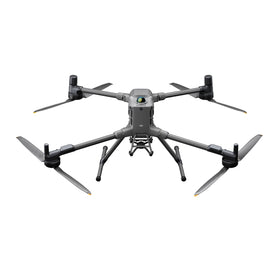
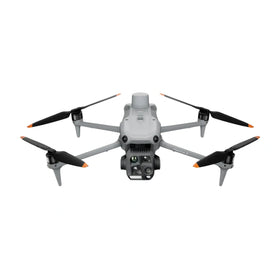
Finance Minister Willis's statement is rooted in a clear-eyed assessment of global instability. The Pacific region, long considered a relatively quiet corner of the world, is now a focal point for strategic competition. New Zealand's decision to protect defense spending aligns with moves by Australia, Japan, and the United States, all of which have increased their defense budgets in the past 18 months. For the UAV sector, this translates directly into increased procurement of advanced ISR (intelligence, surveillance, and reconnaissance) drones, including platforms like the DJI Matrice 350 RTK, the M30T, and potentially larger military-grade systems from General Atomics or Boeing.
Enterprise procurement
Turn this market signal into a fleet requirement.
Discuss mission profile, quantities, configuration, delivery, and lifecycle support with Reboot Hub.
What does this mean for the average drone pilot? For commercial operators flying BVLOS (beyond visual line of sight) routes for agricultural surveys, infrastructure inspection, or environmental monitoring, the expansion of military drone operations will likely trigger new airspace restrictions. The New Zealand Civil Aviation Authority (CAA) is expected to issue updated Part 101 and Part 102 rules in the coming months, potentially creating permanent no-fly zones or temporary flight restrictions (TFRs) around defense installations and intelligence facilities. Operators using RTK (real-time kinematic) GPS for centimeter-level mapping may find their flight plans truncated near sensitive areas.
From a market analysis perspective, the immediate effect is a tightening of supply for high-end used drones. As defense and intelligence agencies ramp up their fleets, they will absorb a significant number of refurbished and second-hand units, particularly the DJI Matrice 300/350 series and the M30 Enterprise. This creates a seller's market for those looking to upgrade their equipment. For everyday drone pilots and commercial operators, this is the moment to assess your fleet strategy: if you have been considering selling your Matrice 350 RTK or M30T, the window for top-dollar trade-ins is now. Conversely, if you are looking to buy, expect prices to rise by 8-15% over the next quarter as government demand competes with civilian needs.
Ready to Upgrade Your Fleet?
Browse our collection of inspected pre-owned DJI drones - inspected, flight-tested, and backed by a 6-month warranty. Save up to 40% versus retail.
Geopolitical Strain and the Rise of Military Drone Procurement
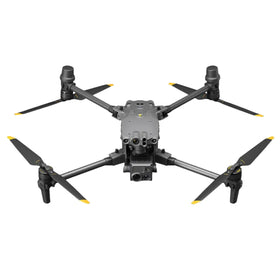
The phrase "rules-based global system is under strain" is not diplomatic boilerplate-it is a direct reference to the erosion of international norms that have governed airspace, maritime boundaries, and conflict engagement for decades. For the drone industry, this has a very concrete meaning: nations are investing in UAS as a force multiplier. New Zealand's defense budget protection is expected to accelerate the acquisition of both indigenous drone technology and proven platforms from global leaders. The DJI Matrice 350 RTK, with its 55-minute flight time and IP55 rating, is already a favorite for military survey and mapping missions. The M30T, with its thermal and zoom cameras, is ideal for intelligence gathering in urban and rural environments.
What does this mean for commercial operators in New Zealand and the Pacific? The most immediate impact will be on airspace access. The NZ CAA is likely to follow the FAA's model of creating "special use airspace" around defense installations, which could include altitude ceilings of 400 feet AGL or lower in certain areas. For operators conducting RTK survey missions for construction or agriculture, this could mean rerouting flight paths or obtaining special waivers. The cost of compliance-both in time and money-will rise. Additionally, the increased presence of military drones will require enhanced detect-and-avoid systems for civilian operators, pushing the market toward ADS-B In/Out and remote ID compliance.
On the commercial side, there is a silver lining for drone repair and maintenance businesses. As defense fleets expand, the demand for certified maintenance centers will grow. Operators who hold FAA Part 107 or equivalent NZ CAA certifications will find new opportunities in defense contractor support roles. The second-hand market, however, will feel the squeeze first. Government agencies typically buy in bulk and prefer low-hour, well-maintained units. This means that the supply of pre-owned DJI drones available to civilians may shrink, driving up prices for models like the M30T and Matrice 350. For pilots looking to sell, this is the peak of the market.
Regulatory Ripple Effects: Part 107, BVLOS, and Airspace Integration
New Zealand has long been a leader in progressive drone regulation, with its Part 101 and Part 102 rules serving as a model for other nations. However, the defense budget shield introduces a new variable: the need to balance commercial innovation with national security. The CAA is expected to release a consultation document in Q3 2026 proposing amendments to airspace classifications near defense and intelligence facilities. Key changes may include mandatory remote ID for all flights within 5 nautical miles of designated installations, and a ban on autonomous BVLOS flights in those zones.
For commercial operators, this is a critical development. If you are running BVLOS routes for power line inspection or agricultural spraying, you may need to file for waivers under Part 102. The process is likely to become more stringent, with the CAA requiring proof of enhanced geofencing, real-time airspace monitoring, and liability insurance up to NZD 5 million. The cost of compliance could increase operational overhead by 15-20%, but it also creates a barrier to entry that will benefit established operators with robust safety management systems.
From a market trends perspective, the defense budget protection reinforces the value of high-end, multi-role drones. The DJI Matrice 350 RTK, with its ability to carry multiple payloads (LiDAR, thermal, multispectral), is the ideal platform for operators who need to pivot between commercial and defense-adjacent contracts. The used drone market for these versatile models is already heating up, with prices for low-hour units rising by 10% in the last month alone. At Reboot Hub, we are seeing a surge in inquiries from defense contractors looking for inspected pre-owned M30T and Matrice 350 units.
Commercial Impact: Fleet Strategy and the Second-Hand Market
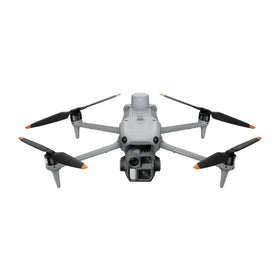
For the everyday drone pilot and commercial operator, the key question is: how do I navigate this shift? The answer lies in strategic fleet management. If you are holding a DJI Mavic 3 Enterprise or a Phantom 4 RTK, consider whether these platforms will meet the new regulatory and operational demands. The trend is clearly toward heavier, more capable platforms that can carry advanced payloads and operate in restricted airspace with waivers. Upgrading to a Matrice 350 RTK or an M30T now, while the market is still liquid, could save you 20-30% compared to buying new in six months.
Reboot Hub is uniquely positioned to help operators make this transition. Our inventory of pre-owned DJI drones includes flight-tested Matrice 350 RTKs, M30Ts, and Mavic 3 Enterprise units, all backed by a 6-month warranty. For operators whose current drones need upgrades or repairs, our professional DJI repair services use genuine parts and are certified by DJI's authorized network. Whether you are selling to capitalize on the defense-driven price surge, or buying to future-proof your fleet, the time to act is now.
The New Zealand budget decision is a clear signal: defense and intelligence are the new growth sectors for UAV technology. For commercial operators, this means higher compliance costs, but also higher-value contracts. For the second-hand market, it means a seller's market for high-end drones. The next 90 days will define the trajectory of the Pacific drone industry. Don't get left behind.
Frequently Asked Questions
How will New Zealand's defense budget protection affect commercial drone operators?
Commercial operators will face new airspace restrictions near defense and intelligence facilities, likely including mandatory remote ID and BVLOS bans. However, this also creates opportunities for defense-adjacent contracts and higher demand for advanced platforms like the DJI Matrice 350 RTK. Operators should expect increased compliance costs but also the potential for higher-value work.
Will the price of used DJI drones increase in New Zealand?
Yes. As defense and intelligence agencies absorb high-end units like the M30T and Matrice 350, the supply of refurbishment-labeled drones for civilians will shrink. Prices for low-hour, well-maintained units are already rising by 8-15%, and this trend is expected to continue through Q3 2026. Sellers should consider listing now to capture peak value.
What specific drone models are most affected by this budget decision?
The DJI Matrice 350 RTK, M30T, and Mavic 3 Enterprise series are the most directly impacted. These platforms are favored for military ISR and mapping missions. The Phantom 4 RTK and Mavic 2 Enterprise Advanced may also see increased demand for secondary roles. Operators holding these models should assess their fleet strategy immediately.
--
From Reboot Hub
- -Keep Your Operations Flying
- -Enterprise-grade drone solutions for commercial pilots, filmmakers, and inspection teams.
- -Pre-owned Fleet
- - - -Fully inspected DJI drones with 6-month warranty. Save up to 40%.
- - - - Browse Inventory -> - - -Expert Repair
- - - -Professional diagnostics with genuine OEM parts. Same-day estimates.
- - - - Book a Repair -> - - -Spare Parts
- - - -Batteries, propellers, gimbals -- premium OEM components, fast shipping.
- - - - Shop Parts -> - - -