شركة Manna Air Delivery تطلق عملياتها الأمريكية في تولسا: الآثار المترتبة على الصناعة
أطلقت شركة Manna الأيرلندية للتوصيل بالطائرات بدون طيار عملياتها في الولايات المتحدة في تولسا، مما أدى إلى خلق وظائف محلية في 1,000 ودعم الشركات المحلية. يشير هذا الإنجاز إلى تزايد الاعتماد على الخدمات اللوجستية التجارية للطائرات بدون طيار وقد يؤثر على أسواق الطائرات بدون طيار المملوكة مسبقًا وأسواق الإصلاح مع توسع الأساطيل.

أطلقت شركة Manna الدولية المبتكرة للتوصيل بالطائرات بدون طيار عملياتها رسميًا في الولايات المتحدة في تولسا، أوكلاهوما، مما يمثل خطوة مهمة إلى الأمام في مجال الخدمات اللوجستية التجارية للطائرات بدون طيار. ووفقًا للإعلان، تتوقع الشركة خلق وظائف محلية 1,000 ودعم الشركات المحلية من خلال خدمة التوصيل الخاصة بها. بالنسبة لمشتري الطائرات بدون طيار التجارية، ومشغلي الأساطيل، وعملاء الإصلاح، توفر هذه الخطوة إشارة واقعية مفادها أن تسليم الطائرات بدون طيار ينتقل من المشاريع التجريبية إلى التوظيف على نطاق واسع والاستثمار في البنية التحتية.
تصبح تولسا أول مدينة أمريكية ستعمل فيها شركة مانا، وبذلك تقدم نموذج خدمة راسخًا أثبت شعبيته بالفعل في أوروبا. يشير قرار الشركة بتأسيس عملياتها في مدينة أمريكية متوسطة الحجم بدلاً من مركز تكنولوجي ساحلي إلى استراتيجية متعمدة تركز على الكثافة التشغيلية والتكامل المجتمعي. بالنسبة لصناعة الطائرات بدون طيار، فإن إنشاء وظائف 1,000 في مكان واحد يؤكد الوزن الاقتصادي المتزايد للوجستيات الطائرات بدون طيار والحاجة إلى خدمات الدعم، بما في ذلك الصيانة والإصلاح واستبدال الأسطول في نهاية المطاف.
إطلاق مانا في تولسا: علامة فارقة في التوصيل بالطائرات بدون طيار
إن دخول شركة مانا إلى السوق الأمريكية ليس مجرد توسع للشركة؛ إنه التحقق من صحة نموذج أعمال توصيل الطائرات بدون طيار. تتوقع الشركة إنشاء مناصب محلية في 1,000، والتي تشمل الطيارين والدعم الأرضي والتنسيق اللوجستي وموظفي الصيانة الفنية. يوضح هذا المستوى من خلق فرص العمل أن توصيل الطائرات بدون طيار أصبح مساهمًا قابلاً للقياس في الاقتصادات المحلية. بالنسبة لمشغلي الأساطيل الذين يفكرون في مشاريع مماثلة، فإن إطلاق تولسا يوفر معيارًا لاحتياجات التوظيف وحجم العمليات.
Industrial drone procurement
Source a brand-new industrial drone for this mission.
Discuss mission fit, aircraft model, quantities, configuration, pickup, and lifecycle support with Reboot Hub.

تصف الشركة نفسها بأنها شركة مبتكرة دولية، ويشير قرارها بإطلاقها في تولسا بدلاً من منطقة حضرية أكبر إلى الثقة في البيئة التنظيمية للمدينة، وقدرة المجال الجوي، وتقبل المجتمع. كما يؤكد الإعلان على دعم الشركات المحلية، مشيراً إلى أن مناع يخطط للتكامل مع التجارة القائمة بدلاً من استبدالها. هذا النهج له آثار عملية على مشتري الطائرات بدون طيار ومخططي الأساطيل: فهو يوضح أن التسليم المستدام للطائرات بدون طيار يتطلب شراكات محلية قوية والتركيز على كفاءة الميل الأخير.
ماذا يعني هذا بالنسبة لمشتري الطائرات بدون طيار
بالنسبة لأي شخص يشارك في شراء أو تشغيل طائرات بدون طيار تجارية، فإن إطلاق شركة Manna في الولايات المتحدة يقدم العديد من النصائح. أولاً، يؤكد هذا التقرير أن سوق الطائرات بدون طيار القادرة على التسليم آخذ في التوسع. قد يؤثر هذا الطلب المتزايد على كل من المنتجات الجديدة و طائرات بدون طيار DJI مملوكة مسبقًا، حيث يبحث المشغلون عن منصات فعالة من حيث التكلفة لخدمات مماثلة. بينما تستخدم شركة Manna تصميمًا مخصصًا للطائرات بدون طيار، فإن العديد من أساطيل التوصيل الصغيرة والمتوسطة الحجم تعتمد على منصات OEM التي أثبتت جدواها. يجب على المشترين مراقبة السوق الثانوية للوحدات التي تم اختبارها أثناء الطيران من برامج التسليم المبكر التي قد يتم ترقيتها إلى نماذج أحدث.
ثانياً، يسلط خلق فرص العمل في تولسا الضوء على الحاجة المتزايدة للفنيين المدربين. يجب على المشغلين الذين يشترون طائرات بدون طيار اليوم أن يأخذوا في الاعتبار مدى توفرها خدمات إصلاح DJI الاحترافية التي تستخدم قطع غيار OEM الأصلية. مع توسع أساطيل التسليم، أصبحت الموثوقية والتحول السريع أمرًا بالغ الأهمية. المشترون الذين يستثمرون في المعدات المستعملة التي تم فحصها أو يخططون لاستبدال الأجزاء التي يتم سحبها بشكل منتظم من OEM سيكونون في وضع أفضل للحفاظ على وقت تشغيل مرتفع. والخلاصة واضحة: يجب أن تتضمن قرارات الشراء استراتيجية دعم طويلة المدى تعطي الأولوية للمكونات الأصلية ومقدمي خدمات الإصلاح المعتمدين.
وأخيرًا، يعزز الإطلاق أهمية برامج المقايضة لدوران الأسطول. قد تجد الشركات التي تعمل على توسيع نطاق عمليات التسليم قيمة في أ دليل تجارة الطائرات بدون طيار لتعظيم العوائد على المعدات التقاعدية. بالنسبة للمشترين في السوق الثانوية، فإن تدفق المخزون المملوك مسبقًا يمكن أن يوفر هياكل طائرات عالية الأداء بأسعار دخول أقل.
الآثار المترتبة على مشغلي الأسطول
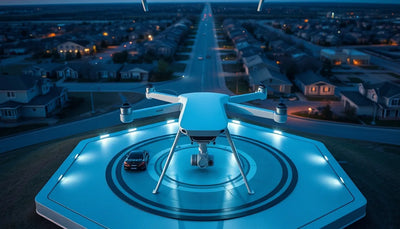
يقدم النموذج التشغيلي لشركة Manna دراسة حالة واقعية لمشغلي الأساطيل. تخطط الشركة لدعم الشركات المحلية من خلال توفير التوصيل السريع للمواد الغذائية والبقالة والسلع الأخرى. ويتطلب ذلك شبكة كثيفة من الطائرات بدون طيار، ومحطات الشحن، والبرامج اللوجستية. بالنسبة لمشغلي الأساطيل، الدرس الرئيسي هو قيمة الكثافة التشغيلية: يعتمد النجاح في توصيل الطائرات بدون طيار على خدمة عدد كبير من العملاء داخل منطقة جغرافية صغيرة لتحقيق أقصى قدر من كفاءة الطيران.
يشير إنشاء وظائف 1,000 أيضًا إلى أن التوصيل بالطائرات بدون طيار أصبح صاحب عمل موثوقًا، مما قد يجذب المزيد من المواهب إلى الصناعة. يجب على مشغلي الأساطيل التفكير في كيفية توظيف وتدريب الطيارين والفنيين. وسوف يصبح توفر الموظفين المهرة ميزة تنافسية، وأولئك الذين يستثمرون في التدريب في وقت مبكر سوف يستفيدون. بالإضافة إلى ذلك، يجب على المشغلين إقامة علاقات مع موفري الإصلاح الذين يمكنهم دعم الأسطول المتنامي بقطع غيار OEM الأصلية. باستخدام خدمات إصلاح DJI الاحترافية التي تلتزم بمواصفات الشركة المصنعة تقلل من وقت التوقف عن العمل وتطيل عمر الطائرة.
من وجهة نظر المشتريات، يجب على مديري الأساطيل الذين يقومون بتقييم التوسع النظر في الخيارات الجديدة والمستعملة. قد يشهد السوق الثانوي للطائرات بدون طيار القادرة على التوصيل زيادة في العرض مع قيام المستخدمين الأوائل بالترقية أو تقليص حجمهم. ومع ذلك، يجب أن يكون أي اقتناء للسيارات المستعملة مصحوبًا بفحص شامل، وإذا لزم الأمر، تحديث باستخدام الأجزاء المسحوبة من OEM لضمان الموثوقية التشغيلية.
اعتبارات الإصلاح وما بعد البيع
ومع نمو أساطيل توصيل الطائرات بدون طيار، سيرتفع الطلب على خدمات الإصلاح والصيانة بشكل متناسب. من المحتمل أن تشمل وظائف Manna الجديدة في 1,000 أدوارًا فنية تركز على إبقاء الطائرات جاهزة للطيران. ويشير هذا إلى اتجاه أوسع في الصناعة: فقد أصبح سوق خدمات ما بعد البيع لإصلاح الطائرات بدون طيار جزءًا مهمًا من النظام البيئي. لا يستطيع مشغلو الأساطيل تحمل فترة توقف طويلة، لذا يعد الوصول إلى إصلاح سريع وموثوق باستخدام مكونات أصلية أمرًا ضروريًا.
بالنسبة لعملاء الإصلاح، يعزز إطلاق Tulsa قيمة استخدام الخدمات الاحترافية بدلاً من محاولة إجراء إصلاحات مخصصة. تعمل طائرات التوصيل بدون طيار وفقًا لمتطلبات السلامة والموثوقية الصارمة، وأي انحراف عن مواصفات OEM قد يؤدي إلى الإضرار بالأداء أو الامتثال التنظيمي. ستصبح مرافق الإصلاح التي تخزن قطع غيار OEM الأصلية وتتبع إجراءات الإصلاح الخاصة بالشركة المصنعة شركاء مفضلين لمشغلي الأساطيل. ويستفيد السوق الثانوي للطائرات بدون طيار المستعملة أيضًا من عمليات التبادل التجاري التي تتم صيانتها جيدًا، حيث تتمتع الطائرات ذات تاريخ الإصلاح الموثق بقيمة إعادة بيع أعلى.
يجب على مديري الأساطيل الذين يخططون للنمو تقييم التكلفة الإجمالية للملكية، بما في ذلك الصيانة الدورية والاستبدال النهائي. باستخدام أ دليل تجارة الطائرات بدون طيار يمكن أن يساعد المشغلين على إجراء عمليات الترقية بتكلفة فعالة والتأكد من إيقاف تشغيل الوحدات المتقاعدة أو إعادة بيعها بشكل صحيح. تصبح حلقة ما بعد البيع - الشراء والتشغيل والإصلاح والتجارة - أكثر كفاءة عندما تعتمد كل خطوة على قطع الغيار عالية الجودة والتصنيع المعتمد.
كم عدد الوظائف التي تخلقها مانا في تولسا؟
وتتوقع شركة Manna خلق وظائف محلية في 1,000 كجزء من إطلاق عملياتها في الولايات المتحدة في تولسا. تشمل هذه الأدوار الطيارين والموظفين الأرضيين والفنيين ومنسقي الخدمات اللوجستية، وهو ما يمثل أحد أكبر التزامات التوظيف الفردية لشركة توصيل الطائرات بدون طيار في الولايات المتحدة.
ما نوع الطائرات بدون طيار التي يستخدمها مناع للتوصيل؟
لا تحدد المقالة المصدر طراز الطائرة بدون طيار أو الشركة المصنعة التي تستخدمها شركة Manna. تستخدم العديد من خدمات التوصيل طائرات مصممة خصيصًا ومُحسّنة لسعة الحمولة والمدى والسلامة. يجب على المشغلين المهتمين بقدرات مماثلة البحث عن الأنظمة الأساسية التي تلبي كثافتهم التشغيلية المحددة ومتطلباتهم التنظيمية.
كيف يمكن للمشغلين الاستعداد لسوق توصيل الطائرات بدون طيار المتنامي؟
يمكن للمشغلين دراسة نهج Manna الذي يركز على المجتمع، وإعطاء الأولوية لموثوقية الأسطول من خلال قطع غيار OEM الأصلية والإصلاح الاحترافي، والنظر في سوق السيارات المستعملة لتوسيع الأسطول بفعالية من حيث التكلفة. إن بناء شبكة صيانة قوية والتخطيط للاستبدال النهائي سيساعد أيضًا في الحفاظ على العمليات طويلة المدى مع نضوج السوق.
تمت استشارة المصادر
- Manna Air Delivery Announces Strategic Pause of ... - sUAS News - primary source
- SUAS News - primary reporting source
تضيف افتتاحية Reboot Hub المشتري والإصلاح وإعادة البيع والتحليل التشغيلي لأصحاب الطائرات بدون طيار. إذا اكتشفت خطأ، فاتصل بنا لمراجعة التصحيح من خلال سياستنا التحريرية.