Kratos Stock Swings: What the Volatility Means for Defense and the Drone Market
Kratos Defense (KTOS) stock has swung wildly—down 29.6% YTD yet up 62.6% over the past year—creating massive uncertainty for defense investors and commercial drone operators alike. As the Pentagon rethinks its affordable mass drone strategy, the implications for BVLOS waivers, Part 107 compliance, and the second-hand market for platforms like the Kratos BQM-177A and XQ-58A Valkyrie are profound. Discover how this volatility signals a sector-wide recalibration that could reshape your fleet planning and contract bidding.

ملاحظات تحريرية
- تجمع هذه المقالة بين التقارير الخارجية المذكورة مع تحليل Reboot Hub's الخاص لمشتري الطائرات بدون طيار ومشغلي الأساطيل وعملاء الإصلاح ومراقبي السوق مستعمل DJI.
- يتم فصل حقائق المصدر عن التفسير. عندما يوفر تقرير بيانات محدودة، تنص المقالة على عرض القيود والإطارات Reboot Hub's كتحليل.
- لدى Reboot Hub روابط تجارية لمنتجات الطائرات بدون طيار وخدمات الإصلاح؛ هذه الروابط هي موارد للقراء ولا تحدد نتيجة المقال.
On May 21, 2026, Kratos Defense & Security Solutions (NASDAQ: KTOS) finds itself at the center of a volatile storm that has left defense investors and commercial drone operators scrambling to reassess their positions. After a dramatic 20.1% decline over the past month and a staggering 29.6% drop year-to-date, the stock has rebounded 6.3% in the last week alone. Yet, despite this whipsaw, KTOS still boasts a 62.6% gain over the past year and an even more impressive three-year return. This level of price action is not merely a financial curiosity-it is a signal of deep structural shifts within the defense and unmanned aerial systems (UAS) sectors.
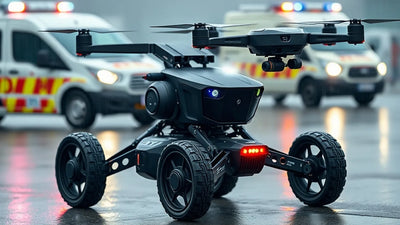
For the commercial UAV industry, Kratos is not just another defense contractor. It is a bellwether for the future of military-grade drone technology, particularly in the realm of affordable, attritable systems. The company's flagship programs-including the BQM-177A subsonic aerial target and the XQ-58A Valkyrie loyal wingman drone-are central to the Pentagon's strategy of deploying large numbers of low-cost, expendable UAS to overwhelm adversaries. When Kratos stock swings, it sends ripples through the entire ecosystem, from prime contractors to small component suppliers, and even down to the second-hand drone market where commercial operators look for high-performance platforms at reduced prices.

The Anatomy of the Kratos Stock Swing
The recent volatility in KTOS shares can be attributed to a confluence of factors. First, the broader defense sector has been under pressure as investors digest a new fiscal year budget proposal from the Pentagon that emphasizes efficiency and cost-cutting over new program starts. Second, Kratos specifically has faced scrutiny over the pace of production ramp-ups for its high-profile programs. The company's guidance for 2026, released in late April, fell short of some analyst expectations, triggering the initial 20% monthly decline. However, the subsequent 6.3% weekly gain suggests that the market believes the sell-off was overdone, with some institutional buyers seeing value at the current ~$55.82 level.
Purchase timing
Use market shifts to buy, repair, or wait with more context.
Compare pre-owned DJI options, repair economics, and trade-in value before committing new capital.
What does this mean for the drone industry at large? The Kratos story is a microcosm of a larger debate within defense circles: how to balance the need for advanced, high-cost platforms like the F-35 with the imperative to field thousands of cheaper drones. The Pentagon's "affordable mass" doctrine, championed by the Defense Innovation Unit (DIU) and the Air Force's Advanced Battle Management System (ABMS), directly benefits companies like Kratos that can deliver capable systems at a fraction of the cost of traditional fighters. But the path to production is fraught with technical hurdles and funding uncertainties, which is precisely what the stock price is reflecting.

What This Volatility Means for Drone Pilots and Commercial Operators
Ready to Upgrade Your Fleet?
Browse our collection of inspected pre-owned DJI drones - inspected, flight-tested, and backed by a 6-month warranty. Save up to 40% versus retail.
While the Kratos stock story may seem distant from the daily operations of a commercial drone pilot conducting aerial surveys or inspecting infrastructure, the connections are tangible. The defense sector's investment in drone technology often trickles down to the commercial world through improved sensors, more reliable flight controllers, and better battery technology. When a company like Kratos faces production delays or funding cuts, it can slow the pace of innovation that eventually makes its way into platforms like the DJI Matrice 350 RTK or the Autel EVO Max 4T.
For commercial operators, the immediate implication is one of market timing. The volatility in defense stocks suggests that the government's appetite for new drone programs may be cyclical. If the Pentagon tightens its budget, it could delay the release of surplus military drones to the second-hand market, keeping prices for used equipment artificially high. Conversely, if Kratos and its peers successfully ramp production, it could lead to a glut of older platforms being sold off, creating opportunities for commercial operators to acquire high-performance drones at a discount. The used drone market is particularly sensitive to these defense dynamics, and savvy buyers should monitor KTOS as a leading indicator.
Ready to Upgrade Your Fleet?
Browse our collection of inspected pre-owned DJI drones - inspected, flight-tested, and backed by a 6-month warranty. Save up to 40% versus retail.
Q&A: Decoding the Kratos Signal for the Drone Ecosystem
What does the Kratos stock volatility mean for commercial drone operators seeking BVLOS waivers?
The short answer is that it creates both opportunity and risk. Kratos is a key player in the development of detect-and-avoid (DAA) systems and secure datalinks, both of which are critical for Beyond Visual Line of Sight (BVLOS) operations. If Kratos's financial position strengthens, it can invest more in R&D, potentially accelerating the certification of these systems by the FAA. However, if the stock decline forces the company to cut costs, it could delay the availability of affordable DAA solutions that commercial operators need to obtain Part 107 waivers. For now, operators should continue to rely on existing approved systems like the Iris Automation Casia or the Echodyne radar, but keep an eye on Kratos for future advancements.
How does this impact the second-hand market for drones like the Kratos BQM-177A?
The BQM-177A is a high-speed aerial target used primarily by the US Navy for missile testing. While it is not a commercial platform, the technology that goes into it-including advanced composite materials, compact turbofan engines, and sophisticated autopilots-often finds its way into commercial products years later. A slowdown in Kratos's production could mean fewer surplus parts and components entering the secondary market, which would keep prices high for used drone components. Conversely, a production surge could flood the market with surplus inventory, driving down costs for refurbished drones. This is a classic supply-and-demand dynamic that directly affects the pricing of pre-owned DJI drones and other used platforms.
What is the best strategy for investors and operators to navigate this volatility?
For investors, the key is to distinguish between short-term market noise and long-term structural trends. Kratos's core thesis-that the Pentagon will need thousands of affordable drones to compete with peer adversaries like China-remains intact. The recent sell-off may present a buying opportunity for those with a 12- to 24-month horizon. For commercial operators, the strategy is to lock in current prices for used equipment before any potential defense-driven price increases. Now is an excellent time to explore the used drone market for high-value platforms that have been professionally inspected and certified. Additionally, ensuring your current fleet is in peak condition through professional DJI repair services can extend its lifespan and delay the need for a costly upgrade.
The Broader Defense Drone Landscape: Beyond Kratos
Kratos is not the only player in the defense drone space, but its stock volatility serves as a proxy for the entire sector. General Atomics, with its MQ-9 Reaper and the new MQ-9B SkyGuardian, remains the incumbent leader. However, the shift toward attritable systems has opened the door for smaller, more agile companies like Anduril Industries and Shield AI, which are developing software-defined drones that can operate in contested environments. The Pentagon's recent award of a $13 billion contract for the Next Generation Air Dominance (NGAD) program, which includes a drone component, underscores the strategic importance of unmanned systems.
For commercial operators, the lesson is clear: the defense drone market is entering a period of rapid evolution, and the financial health of key suppliers like Kratos will directly influence the availability and pricing of technology that eventually trickles down to the commercial sector. Whether you are a small business owner using a DJI Phantom 4 RTK for mapping or a large enterprise deploying a fleet of Matrice 350s for pipeline inspection, the defense-industrial complex is your silent partner, shaping the tools you use and the costs you pay.
Actionable Insights for Drone Professionals
Given the current uncertainty, here are three concrete steps you can take today:
1. Monitor Defense Budget News: The US defense budget for fiscal year 2027 will be debated in Congress this summer. Any cuts to drone programs could signal a slowdown in the release of surplus equipment. Set up Google Alerts for "Kratos Defense" and "affordable mass" to stay ahead of the curve.
2. Diversify Your Equipment Sources: Relying solely on new equipment from major manufacturers leaves you vulnerable to supply chain disruptions. Explore the second-hand market for high-quality, pre-owned drones that have been professionally refurbished. At Reboot Hub, every unit is flight-tested and comes with a 6-month warranty, ensuring you get reliable performance without the new-price premium.
3. Invest in Maintenance: In a volatile market, extending the life of your current fleet is the most cost-effective strategy. Regular maintenance and genuine-part repairs can keep your drones flying for years. Our professional DJI repair services are designed to keep your operations running smoothly, regardless of what happens in the stock market.
Conclusion: Navigating the Turbulence
The Kratos stock swing is a stark reminder that the drone industry is not immune to the broader forces of defense spending and investor sentiment. However, for those who understand the underlying dynamics, it also presents a unique opportunity. The long-term trend toward unmanned systems is undeniable, and the companies that can deliver affordable, reliable drones will win in the end. For commercial operators, the key is to stay informed, diversify your sources, and maintain your equipment to the highest standards. By doing so, you can turn market volatility into a competitive advantage.
Frequently Asked Questions (FAQ)
Is Kratos stock a good buy right now?
We do not provide investment advice, but from a market analysis perspective, Kratos's core business-affordable, attritable drones-aligns with long-term Pentagon priorities. The recent 29.6% YTD decline may represent a buying opportunity for investors with a multi-year horizon, but the stock remains volatile. Commercial operators should watch the stock as a leading indicator for drone equipment pricing.
How does defense drone spending affect the commercial drone market?
Defense spending drives innovation in sensors, flight controllers, and materials that eventually become standard in commercial drones. When defense budgets tighten, it can slow the pace of technology transfer, keeping prices for advanced commercial drones higher for longer.
Where can I find reliable, pre-owned drones for my business?
Reboot Hub offers a curated selection of inspected pre-owned DJI drones, each inspected and flight-tested to ensure peak performance. With savings of up to 40% compared to retail and a 6-month warranty, it is the smart choice for commercial operators looking to navigate market uncertainty.
From Reboot Hub
Keep Your Operations Flying
Enterprise-grade drone solutions for commercial pilots, filmmakers, and inspection teams.
Pre-owned Fleet
Fully inspected DJI drones with 6-month warranty. Save up to 40%.
Browse Inventory ->