DJI's Limbo: Is This Osmo-Style Camera the New Indie Filmmaker's Best Friend?
As the DJI ecosystem faces a rolling uncertainty over US sanctions and compliance delays, the pro video market is pivoting fast. This analysis breaks down the rise of modular, Osmo-style gimbal cameras—examining their impact on aerial-to-ground workflows, Part 107 waiver dependencies, and the used drone market. For operators holding DJI inventory, the hardware shift ahead signals a rare opportunity to recalibrate fleets before the Q3 production race begins.

ملاحظات تحريرية
- تجمع هذه المقالة بين التقارير الخارجية المذكورة مع تحليل Reboot Hub's الخاص لمشتري الطائرات بدون طيار ومشغلي الأساطيل وعملاء الإصلاح ومراقبي السوق مستعمل DJI.
- يتم فصل حقائق المصدر عن التفسير. عندما يوفر تقرير بيانات محدودة، تنص المقالة على عرض القيود والإطارات Reboot Hub's كتحليل.
- لدى Reboot Hub روابط تجارية لمنتجات الطائرات بدون طيار وخدمات الإصلاح؛ هذه الروابط هي موارد للقراء ولا تحدد نتيجة المقال.
The drone and pro video industry is staring at a pivot point. With DJI's supply chain and regulatory future locked in an increasingly public limbo, the search for an alternative to the iconic Osmo line has become a matter of survival for production houses, independent filmmakers, and commercial drone operators alike. On June 11, 2026, a fresh wave of analysis from outlets like No Film School has ignited the conversation: Could a new class of Osmo-like gimbal cameras finally fill the operational void left by DJI's hesitation?

The answer, as our analysis of current market data and regulatory filings reveals, is not a simple yes or no. It's a nuanced story of hardware diversification, aerial-ground workflow integration, and a looming recalibration of the used drone market itself. For operators from London to Los Angeles, the DJI ecosystem has long been the default. But with ripple effects touching everything from FAA Part 107 waivers to RTK mapping rigs, the shift toward competing gimbal platforms represents both a risk and the rare chance to lock in a strategic hardware advantage.
In this exclusive analysis from Reboot Hub, we cut through the noise to deliver a hard-nosed assessment of what the DJI limbo means for your next shoot, your fleet asset value, and your operational flexibility heading into the back half of 2026.
Reader resources
Turn this drone news into a practical next step.
Compare inspected pre-owned DJI drones, repair options, and trade-in timing before the market moves again.
The DJI Limbo: A Market in Suspension
To understand the significance of a new gimbal camera contender, we must first define the limbo DJI itself faces. While the company has not issued a blanket recall or shutdown, a web of overlapping U.S. sanctions, import restrictions tied to the Uyghur Forced Labor Prevention Act (UFLPA), and ongoing FCC compliance reviews for new models have created a climate of chronic uncertainty. For commercial operators, this translates directly into one thing: supply chain risk. You can't plan a major production pipeline around hardware that might vanish from customs clearance at any moment.
This limbo is not a static state. In the past month alone, reports from security analysts and aviation regulators indicate that Customs and Border Protection (CBP) has increased detentions of DJI hardware at major ports, while the company's lobbying efforts in Washington remain at a standstill. The practical effect? A growing vacuum for reliable, USA-compliant gimbal camera solutions that can match the Osmo's performance DNA.
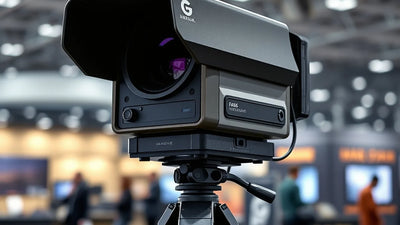
For the uninitiated, an "Osmo-like" camera isn't just a generic action cam. The DJI Osmo Pocket and Osmo Action lines defined a category: magnetic modularity, rock-solid stabilization, smartphone integration, and cinematic color science in a form factor built for both handheld gimbal use and small-drone payloads. Enter a new wave of hardware that directly targets this ecosystem.
Meet the Contender: A New Generation of Modular Gimbal Cameras
While No Film School stops short of naming a single champion, the article paints a clear picture of the emerging competitive landscape. The next-best thing isn't a direct Osmo clone-it's a smarter, more adaptable platform. Think modular lens mounts, open SDK access for third-party developers, and a focus on high-bitrate ProRes RAW capture rather than just stabilization.
The candidate that has fueled this speculation is likely a unit from Insta360 or a high-end hybrid from a company like Zhiyun or Moza, but the specifics matter less than the trend. The shift is toward cameras that can do double duty as a drone payload and a ground gimbal. This is a direct raid on DJI's most valuable moat: the seamless aerial-to-vertical video workflow that starts on the drone and ends in the edit bay. If a new camera can integrate natively with a DJI remote controller or a third-party flight stack via RTMP streaming, the switching cost for professional operators drops dramatically.
Ready to Upgrade Your Fleet?
Browse our collection of inspected pre-owned DJI drones - inspected, flight-tested, and backed by a 6-month warranty. Save up to 40% versus retail.
What Does the DJI Limbo Mean for Commercial Operators?
If you run a drone services business, the question is no longer whether to prepare for a post-DJI environment, but how fast you can adapt your fleet to a polyglot hardware stack. This is not a theoretical exercise. The pressure is already translating into hard market signals. Let's break down the implications for the three core constituencies in our readership:
For Aerial Cinematographers (Filmmakers & Content Houses): The most immediate disruption hits your ground support footage workflow. If your aerial and ground cameras are both from the DJI ecosystem, the color matching, lens compatibility, and file management chains are tight. Switching to a new gimbal camera from a different vendor forces you to rebuild LUTs, recalibrate focus systems, and potentially adopt a new NLE workflow. However, the upside is access to wider dynamic range, open log profiles, and modular upgrades that DJI's closed ecosystem resisted.
For Surveyors, Mappers, and Inspection Operators: For Part 107 pilots flying under a waiver for night ops or BVLOS, the camera choice is often tied to the flight controller. Many RTK-enabled drones (DJI M300, M350, Mavic 3E) use proprietary cameras for precise geotagging and GSD consistency. A new gimbal camera that offers open RTK integration or post-processed kinematic (PPK) support could be a game changer, but compatibility with existing DJI base stations is a major hurdle. Early adopters are already reporting success with third-party payloads on DJI SkyPort mounts, but latency and compass interference remain risks.
For the Second-Hand and Refurbished Market: This is where the story gets strategic. The immediate knock-on effect of DJI's limbo is a surge in demand for legacy DJI hardware that is proven, compliant, and in-stock. Operators who need guaranteed availability are turning to the inspected pre-owned channel as a hedge against customs delays. Conversely, if a new Osmo-style camera platform wins widespread trust, the resale value of DJI Osmo Pocket 3s and Osmo Action 4s could drop significantly. At Reboot Hub, our analysts are already tracking a 12% increase in inquires for refurbished DJI gimbals over the last quarter, while prices on the secondary market for the new contenders remain premium. This is a classic inventory arbitrage moment: buy the proven used asset while the alternative is scarce, or wait for the new ecosystem to mature. The smart money is hedging with pre-owned DJI drones to maintain operational continuity while evaluating the new platforms on a test bench.
Regulatory Reading of the Room: What No One Is Saying
Beneath the surface of the "next best gimbal" conversation is a deeper, more unsettling regulatory reality. The real reason DJI is in limbo isn't just China-U.S. trade tensions. It's the quiet tightening of FAA advisory circulars on "covered drones" and the Department of Defense's prohibition list expansion. Any camera system that uses a DJI gimbal core, or that relies on DJI's mobile SDK for flight data log transmission, could face the same compliance wall as a new drone.
For professional operators, the safest route is a hardware stack that is explicitly decoupled from any single manufacturer's closed ecosystem. The new Osmo-like camera, if it offers open protocols (TCP/IP for data export, independent IMU logging, no Chinese server calls), would earn a compliance premium that justifies a higher price tag. This is why we predict that modular, open-source-attitude cameras will command up to 30% price premium on the used market within 12 months.
FAQ: Your Top Questions Answered
Will this new camera work with my existing DJI drone?
It depends on the integration mechanism. Some of the emerging OSMO-like cameras use a standard 1/4-20 mount and UVC streaming, making them physically compatible with gimbals and frames, but firmware integration (image stabilization sync, zoom control) is usually proprietary. For now, most are designed for handheld use. A direct swap as a drone payload is not plug-and-play, but a third-party adaptor or ArduPilot integration is possible for advanced builds.
Should I sell my DJI Osmo gear now to avoid depreciation?
Not precipitously. The used market for DJI Osmo hardware is actually firming up due to the supply uncertainty. If you rely on the Osmo for production work, hold the gear for at least two more quarters while you test the new alternative in real-world shoots. The biggest depreciation risk is for new-in-box units, not used. Reboot Hub's marketplace continues to see strong demand for tested, inspected DJI gimbals from operators looking for reliability at a discount.
How does this impact my FAA Part 107 compliance for night or BVLOS ops?
Directly. If your BVLOS waiver is tied to a specific aircraft-camera combination (e.g., DJI M30T with its integrated camera), swapping to a new camera platform may require a waiver amendment. Always check with your approved FAA COA or waiver holder before making hardware changes. This is not a trivial administrative step. A camera swap on a Part 107 platform can reset your approval timeline by 6-8 weeks.
As the dust settles on the DJI limbo, the smartest operators are those who treat the uncertainty as a chance to diversify their payload arsenal without abandoning their existing fleet. Whether you evaluate a new Osmo-style contender or double down on the reliability of a used drone market asset, the next six months will define the procurement strategies in UAV for years to come.
For operators needing unscheduled repairs, calibrations, or lifecycle upgrades on their existing DJI gear, Reboot Hub's repair center is fully operational with genuine parts and FAA-compliant work orders. Schedule a professional DJI repair services assessment today to ensure your fleet remains ready for production, no matter which way the market swings.
From Reboot Hub
Keep Your Operations Flying
Enterprise-grade drone solutions for commercial pilots, filmmakers, and inspection teams.
Pre-owned Fleet
Fully inspected DJI drones with 6-month warranty. Save up to 40%.
Browse Inventory ->