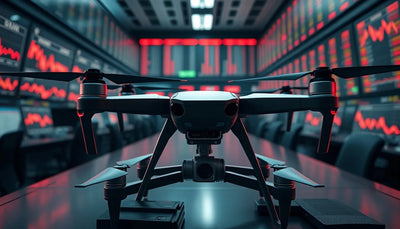
أول طائرة بدون طيار من نوع eVTOL من DJI تظهر لأول مرة في مكان لا تستطيع سوى القليل من الطائرات بدون طيار الطيران فيه
طرحت شركة DJI أول طائرة بدون طيار eVTOL، مما يدل على الطيران في بيئة لا يمكن تشغيل سوى عدد قليل من الطائرات فيها. يشير هذا الإنجاز إلى فئة منتجات جديدة للشركة، مع آثار محتملة على المشغلين التجاريين في المناطق النائية. وينبغي لمديري الأساطيل ومشتري الطائرات بدون طيار المملوكة مسبقًا مراقبة كيف يمكن لهذه التكنولوجيا أن تعيد تشكيل تخطيطهم.

دخلت DJI رسميًا مجال طائرات الإقلاع والهبوط العمودي الكهربائي (eVTOL). وفقًا لتقرير صادر عن DroneDJ، أكملت أول طائرة بدون طيار eVTOL للشركة رحلة أولى في موقع يوصف بأنه موقع لا يتمكن سوى عدد قليل من الطائرات من العمل فيه. يمثل هذا توسعًا كبيرًا يتجاوز منتجات الكاميرا التقليدية متعددة الدوارات والكاميرات المحمولة من DJI، ويشير إلى التزام طويل الأمد بهياكل هياكل الطائرات الجديدة.
في حين أن المواصفات الفنية الرسمية لم يتم إصدارها بعد، فإن حقيقة اختيار DJI لبيئة قاسية للظهور لأول مرة تشير إلى أن السيارة مصممة للظروف التجارية الصعبة. بالنسبة لمشتري الطائرات بدون طيار ومشغلي الأساطيل الذين يعملون في المناطق المرتفعة أو الجبلية أو النائية، يمكن لهذا التطور في النهاية توسيع نطاق المهام التي يمكن أن تخدمها أجهزة DJI. كما أنه يثير تساؤلات حول كيفية تعايش هذه الفئة الجديدة مع طائرات بدون طيار DJI الموجودة مسبقًا في السوق الثانوية.
الظهور الأول: أول مركبة eVTOL من طراز DJI في البيئات القاسية
يشير تقرير المصدر من DroneDJ إلى أن الطائرة بدون طيار eVTOL الجديدة "تظهر لأول مرة حيث يمكن لعدد قليل من الطائرات الطيران". تتضمن الصياغة إعدادًا يختبر حدود المنصات التقليدية متعددة المروحيات والأجنحة الثابتة - من المحتمل أن تكون على ارتفاع عالي الكثافة، أو رياح مضطربة، أو مناطق إقلاع/هبوط محدودة. لم تحدد DJI الموقع الدقيق، ولكن الأهمية التشغيلية واضحة: تتيح قدرة eVTOL الإقلاع العمودي مع إمكانية التحليق لمسافات أطول من المروحية الرباعية التقليدية، مع تجنب متطلبات المدرج للطائرة ذات الأجنحة الثابتة.
DJI buying context
Match product news to hardware you can actually deploy.
Check inspected DJI aircraft, repair support, and trade-in timing before deciding whether to upgrade, repair, or wait.

بالنسبة للمشغلين التجاريين الذين يعتمدون حاليًا على مزيج من الطائرات بدون طيار متعددة المروحيات والطائرات ذات الأجنحة الثابتة، يمكن لمنصة eVTOL دمج القدرات في هيكل طائرة واحد. ومع ذلك، فإن الظهور الأول هو مجرد خطوة أولى. ولا يشير المصدر إلى ما إذا كان هذا نموذجًا أوليًا أو نموذجًا لمرحلة ما قبل الإنتاج أو وحدة مخصصة لإطلاق تجاري محدد. يجب على مديري الأساطيل التعامل مع هذا كإشارة لبدء دراسة لوائح eVTOL، ومتطلبات البطارية، وتوافق الحمولة.
ولا يذكر المصدر أيضًا أي مشاركة محددة للوكالة أو مرحلة إصدار الشهادات. وهذا يعني أنه على الرغم من أن الرحلة نفسها جديرة بالملاحظة، إلا أن الجدول الزمني للتوافر التجاري لا يزال غير مؤكد. لا ينبغي للمشترين أن يتوقعوا إطلاقًا فوريًا للمنتج؛ بدلاً من ذلك، يجب عليهم مراقبة المزيد من الإعلانات من DJI فيما يتعلق بمراحل الاختبار والشراكات ونوافذ الإصدار النهائية.
ماذا يعني هذا بالنسبة لمشتري الطائرات بدون طيار
بالنسبة لأي شخص يفكر في شراء طائرة بدون طيار جديدة في الأشهر المقبلة، فإن غزو DJI لطائرة eVTOL يقدم الفرصة وعدم اليقين. قد يجد المشترون الذين يعملون في تضاريس صعبة - مثل التعدين أو المسح أو البحث والإنقاذ أو فحص البنية التحتية في المناطق الجبلية - أن نظام eVTOL يوفر في النهاية حلاً أكثر تنوعًا من طرازات DJI الحالية. ومع ذلك، حتى يتم تسويق المنتج رسميًا، تظل المجموعة الحالية من طائرات DJI المملوكة مسبقًا هي الخيار العملي لمعظم المشغلين.
هناك اعتبار رئيسي آخر وهو التأثير المحتمل على قيمة إعادة البيع. عندما تقدم إحدى الشركات المصنعة الكبرى فئة جديدة، يمكن أن يتغير الطلب على النماذج القديمة. يجب على المشغلين الذين يخططون للترقية إلى منصة eVTOL في المستقبل أن يدركوا أن طائراتهم بدون طيار DJI الحالية المملوكة مسبقًا قد تنخفض قيمتها بشكل مختلف عما كانت عليه في الدورات السابقة. بالنسبة لأولئك الذين يتطلعون إلى بيع المعدات الموجودة أو المتاجرة بها، فإن توقيت السوق بعناية يمكن أن يحدث فرقًا. ال دليل تجارة الطائرات بدون طيار يقدم خطوات عملية لتقييم وقت الانتقال من منصة إلى أخرى.
على المدى القريب، يجب على المشترين الاستمرار في التركيز على نماذج DJI التي أثبتت جدواها والتي تتوافق مع متطلبات مهمتهم المحددة. يعد تطوير eVTOL إشارة واعدة ولكنه ليس بديلاً للاحتياجات الفورية للأسطول. ويمكن لأولئك الذين يستطيعون الانتظار أن يستفيدوا من النظام البيئي الأكثر نضجًا للطائرات الكهربائية الكهربائية في غضون عامين إلى ثلاثة أعوام؛ أولئك الذين يحتاجون إلى طائرة بدون طيار اليوم يجب ألا يؤخروا شرائها بناءً على الرحلة الأولى وحدها.
الآثار المترتبة على خدمات إصلاح وسوق DJI المملوكة مسبقًا
يؤثر كل منتج رئيسي يتم تقديمه بواسطة DJI على النظام البيئي للطائرات بدون طيار DJI المملوكة مسبقًا. عندما يتم إطلاق طراز رئيسي جديد، تزداد أحجام التبادل، وينمو المعروض من الوحدات المستعملة التي تم فحصها. يمكن أن يؤدي إدخال eVTOL إلى تسريع هذا النمط، ولكن مع تطور مهم: تتطلب إطارات eVTOL قطع غيار مختلفة، وكيمياء البطاريات، وتكوينات المحرك. وهذا يعني أن المخزون الحالي من قطع غيار OEM لنماذج DJI الحالية سيظل صالحًا لسنوات، في حين يجب بناء سلسلة توريد منفصلة لمكونات eVTOL.
بالنسبة لعملاء الإصلاح، يسلط الظهور الأول الضوء على أهمية استخدام قطع الغيار الأصلية وخدمات الإصلاح الاحترافية. نظرًا لأن DJI تنوع أنواع هياكل الطائرات الخاصة بها، فإن الخبرة المطلوبة لخدمة كل منصة ستصبح أكثر تخصصًا. المشغلين الذين يحافظون على أساطيلهم الحالية مع خدمات إصلاح DJI الاحترافية يمكن أن نتوقع أن تظل هذه المهارات ذات قيمة طالما استمرت DJI في دعم خطوط طائراتها الرباعية والمروحية السداسية التقليدية. لا يشير ظهور eVTOL لأول مرة إلى نهاية دعم النماذج الحالية؛ بل يضيف مسارًا تكنولوجيًا موازيًا.
تحليل Reboot Hub: بالنسبة لمشتري السيارات المستعملة، من المرجح أن يظل سوق الطائرات بدون طيار DJI قوية على المدى المتوسط. وسيحمل منتج eVTOL، حتى عندما يكون متاحًا، سعرًا باهظًا وسيتطلب بنية تحتية جديدة للشحن والنقل وتدريب الطيارين. سيستمر العديد من مشغلي الأساطيل في الاعتماد على الطائرات بدون طيار DJI المملوكة مسبقًا للعمليات اليومية. توافر طائرات بدون طيار DJI مملوكة مسبقًا سيكون من خلال القنوات الخاضعة للتفتيش أمرًا مهمًا لأولئك الذين يحتاجون إلى معدات فعالة من حيث التكلفة أثناء نضوج فئة eVTOL.
الاعتبارات الاستراتيجية لمشغلي الأساطيل
يجب أن يبدأ مشغلو الأساطيل في تقييم مدى ملاءمة تقنية eVTOL لاستراتيجيتهم الجوية طويلة المدى. يشير تقرير المصدر إلى أن المركبة يمكن أن تعمل حيث يمكن لعدد قليل من الطائرات أن تطير، وهذا يعني أن DJI تستهدف ملفات تعريف المهام التي تعاني من نقص الخدمات حاليًا. وتشمل الأمثلة رسم الخرائط على ارتفاعات عالية، وتسليم البضائع عن بعد، والمراقبة طويلة الأمد في التضاريس الجبلية. يجب على المشغلين الذين يخدمون هذه القطاعات الاستعداد من خلال فهم لوائح الطيران المحلية لعمليات eVTOL ومن خلال تقييم ما إذا كانت شهاداتهم التجريبية الحالية ستغطي المنصة الجديدة.
العامل الاستراتيجي الآخر هو التكامل مع برامج إدارة الأسطول الحالية. قامت DJI ببناء نظام بيئي قوي حول تطبيق Pilot وFlightHub وأنظمة التحكم التابعة لجهات خارجية. إذا كانت منصة eVTOL متوافقة مع هذه الأدوات، فسيواجه المشغلون منحنى تعليمي أقل. إذا كان الأمر يتطلب نظام تحكم منفصل، فسيحتاج مديرو الأسطول إلى تخصيص وقت التدريب والميزانية لسير العمل ثنائي النظام الأساسي.
أخيرًا، يجب أن يدفع الظهور الأول المشغلين إلى مراجعة دورات استبدال الطائرات بدون طيار الحالية. إذا أصبح نظام eVTOL قابلاً للتطبيق تجاريًا في غضون عامين، فقد يكون من الحكمة تأجيل ترقية الأسطول على نطاق واسع. وعلى العكس من ذلك، فإن المشغلين الذين يحتاجون إلى قدرة فورية لا يمكنهم الانتظار. إن اتباع نهج متوازن - الحفاظ على مجموعة أساسية من طائرات DJI بدون طيار المملوكة مسبقًا والموثوقة أثناء تجربة برنامج اختبار صغير لـ eVTOL - يمكن أن يقدم أفضل ما في كلا العالمين.
هل ستحل eVTOL الخاصة بـ DJI محل الطائرات بدون طيار متعددة المروحيات الموجودة في العمليات التجارية النموذجية؟
تحليل Reboot Hub: ليس على المدى القريب. تم تصميم تصميم eVTOL للمهام التي تتطلب مزيجًا من الإقلاع العمودي والمدى الممتد. بالنسبة لعمليات التفتيش القياسية من مسافة قريبة، أو التصوير الجوي، أو أعمال المسح الضوئي، ستظل الطائرات بدون طيار التقليدية متعددة المروحيات أكثر اقتصادا وأسهل في النشر. من المرجح أن تكون eVTOL الخاصة بـ DJI أداة متخصصة للمهام عالية القيمة والمهام البيئية القاسية.
متى يمكن للمشترين أن يتوقعوا شراء طائرة eVTOL بدون طيار DJI؟
لا يقدم المصدر تاريخ الإطلاق أو السعر. استنادًا إلى الجداول الزمنية للصناعة لتطوير واعتماد eVTOL، فمن غير المرجح أن يتم إصداره تجاريًا خلال الأشهر 12 القادمة. يجب على المشترين متابعة قنوات DJI الرسمية للحصول على أحدث المعلومات وتجنب اتخاذ قرارات الشراء بناءً على المضاربة.
كيف سيؤثر ظهور eVTOL لأول مرة على قيمة طائرات DJI بدون طيار المملوكة مسبقًا والموجودة بالفعل في السوق؟
على المدى القصير، من غير المرجح أن يؤدي الظهور الأول إلى خفض أسعار الطائرات بدون طيار DJI المملوكة مسبقًا. تخدم النماذج الحالية شريحة مختلفة من السوق ولها قيم تبادلية راسخة. عندما يصبح منتج eVTOL متاحًا تجاريًا، قد يحدث تحول في الطلب، لكن التأثير سيكون تدريجيًا. في الوقت الحالي، تظل الطائرات بدون طيار DJI المملوكة مسبقًا خيارًا فعالاً من حيث التكلفة لمعظم المشغلين.
تمت استشارة المصادر
- DJI EV50 - DroneDJ - primary source
- DIU Blue UAS - official government source
تضيف افتتاحية Reboot Hub المشتري والإصلاح وإعادة البيع والتحليل التشغيلي لأصحاب الطائرات بدون طيار. إذا اكتشفت خطأ، فاتصل بنا لمراجعة التصحيح من خلال سياستنا التحريرية.