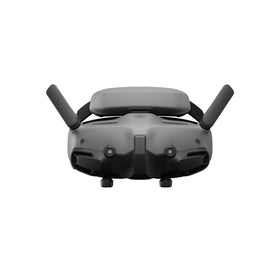
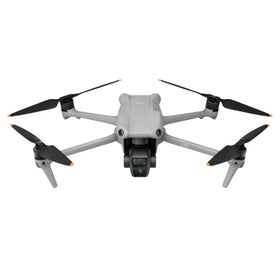
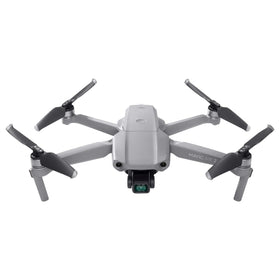
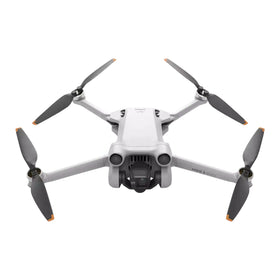
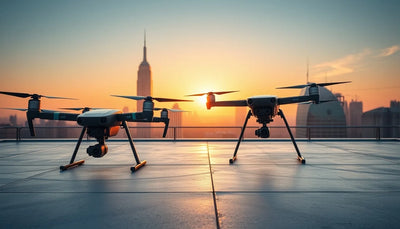
DJI EV50: New Drone Built for Extreme Cold and High Altitude Operations
DJI’s EV50 is engineered to operate reliably in extreme cold and thin air, opening new possibilities for operators in high-altitude and frigid regions. The launch may influence fleet upgrade decisions and reshape the pre-owned DJI market for older models.

DJI has unveiled the EV50, a drone designed specifically to perform in extreme cold and thin air, according to recent reports. The announcement signals a focused push into high-altitude and polar operational environments, where many existing commercial drones struggle with battery performance, component reliability, and flight stability. For fleet operators, repair customers, and those navigating the pre-owned DJI market, the EV50 represents both an opportunity and a strategic question: does extreme-condition performance warrant a fleet refresh, or can existing airframes be adapted?
The EV50 enters a market segment that has long demanded more from hardware. Search and rescue teams in mountainous regions, infrastructure inspectors monitoring alpine power lines, and scientific researchers in polar zones all face cold-related downtime and altitude-induced power loss. By addressing these limitations at the design level, DJI is responding to a clear operational need rather than simply adding incremental spec bumps.
Understanding the EV50’s design focus
According to the source, the EV50 is described as “DJI’s new high-tech drone” that “defies extreme cold and thin air.” This is a notable positioning because it directly addresses two of the most punishing environmental stressors for unmanned aircraft. Cold temperatures reduce battery chemistry efficiency, cause materials to become brittle, and can lead to condensation on sensitive electronics. Thin air reduces rotor thrust, requiring higher RPMs and more precise motor control. The EV50 appears to be engineered from the ground up to manage these challenges, likely through advanced battery thermal management, reinforced airframe materials, and tuned propulsion systems. For commercial operators, this means fewer mission aborts due to temperature warnings and more consistent performance at altitudes above 3,000 meters. The practical implication is clear: fleets that routinely operate in cold storage facilities, high-altitude construction sites, or winter agricultural surveys will want to evaluate whether their current drones can match the EV50’s baseline reliability in those conditions.
DJI buying context
Match product news to hardware you can actually deploy.
Check inspected DJI aircraft, repair support, and trade-in timing before deciding whether to upgrade, repair, or wait.

What this means for drone buyers
For buyers weighing a new purchase, the EV50 introduces a new variable into the decision matrix. If your operations rarely exceed moderate temperatures or low altitudes, the EV50 may be over-engineered for your needs. However, if you fly in sub-freezing conditions or above 2,500 meters, the EV50’s design philosophy could save significant operational cost and time. Instead of pre-heating batteries, limiting flight durations, or accepting altitude-related performance drops, a purpose-built airframe like the EV50 can deliver consistent results. The practical takeaway for buyers: inventory your typical flight environments over the past 12 months. If cold or altitude contributed to mission failures or reduced flight times, the EV50 is a candidate worth assessing against your existing fleet. One specific action to consider is reaching out to your DJI dealer or authorized service provider to request a demonstration in controlled cold conditions. This hands-on evaluation will reveal whether the EV50’s ruggedness translates into real-world gains for your specific use cases.
Implications for the pre-owned DJI market
Reboot Hub analysis: The arrival of a cold-optimized drone like the EV50 is likely to create ripples in the pre-owned market. Operators who have relied on general-purpose models such as the Matrice 300 RTK, Mavic 2 Enterprise, or older Inspire platforms for cold-weather work may begin listing those airframes as they consider upgrading. This increased supply could moderate pre-owned pricing for those models, offering budget-conscious buyers a chance to acquire capable drones at lower entry points. However, it is important to note that older models were not designed with extreme cold as a primary feature; their performance in such conditions will remain a limitation. Buyers in the pre-owned market should therefore weigh the cost savings against the potential for cold-related downtime or the need for aftermarket modifications. For those seeking inspected, pre-owned DJI drones with known cold-weather performance, the pre-owned DJI drones available through verified channels provide a transparent alternative. Additionally, fleet managers considering a transition can use the drone trade-in guide to evaluate the residual value of their current equipment against the EV50’s potential benefits.
Cold weather operations and repair considerations
Even the most advanced drone requires disciplined maintenance when operating in cold and thin air. While the EV50 may be better suited to these environments, no airframe is immune to the effects of freezing temperatures and low atmospheric pressure. Batteries must still be stored warm and brought gradually to operating temperature; condensation inside the drone body must be managed; and propeller performance must be monitored for changes in stiffness and balance. For existing fleet owners who are not ready to upgrade, professional DJI repair services can assess cold-weather wear, replace brittle seals, and install upgraded battery heaters or insulation kits. The EV50’s design may set a new expectation for cold-weather reliability, but that does not mean older models are obsolete. With careful maintenance and operator best practices, many current DJI platforms can still perform adequately in moderately cold conditions. The key is to know your drone’s limits and to have a repair strategy in place for when cold-related failures occur.
Will the EV50 replace existing DJI enterprise models for cold operations?
Not necessarily. The EV50 appears to be a targeted tool for extreme conditions. For general-purpose operations in moderate climates, other DJI models may remain more cost-effective. The decision should be based on your specific flight environment and frequency of cold-weather missions.
How should fleet managers evaluate the EV50 for their operations?
Start by reviewing flight logs from the past year. Count the number of missions that were aborted, shortened, or affected by temperature or altitude warnings. If that number is significant, the EV50’s cold- and thin-air design could deliver a measurable return on investment. A demonstration in realistic conditions is recommended before committing to a fleet purchase.
Is the pre-owned DJI market likely to see price drops on older models?
Some softening is possible if early adopters of the EV50 sell their older airframes. However, the pre-owned market for DJI drones is driven by overall demand and model availability. A single new product launch is unlikely to cause a dramatic shift unless supply increases substantially. Buyers should monitor listings but not expect a fire sale.
Sources consulted
- Notebookcheck.net - primary source
Additional official documentation was not available at publication time.
Reboot Hub Editorial adds buyer, repair, resale, and operational analysis for drone owners. If you spot an error, contact us for correction review through our editorial policy.
This article is market commentary for drone operators and buyers, not investment advice. Reboot Hub does not provide financial advice or recommend securities transactions.