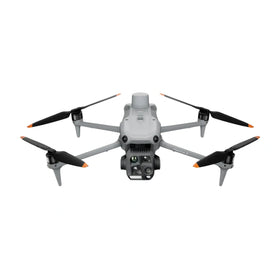
Detroit’s Auto Industry Is Now Building All-American Combat Drones: A New Era for Domestic UAV Manufacturing
A Detroit startup is leveraging automotive supply chains to manufacture 100% American-made drones, directly challenging DJI's dominance in the commercial and defense sectors. This shift threatens to disrupt the used drone market and reshape FAA Part 107 compliance for federal contractors. With BVLOS waivers tightening and NDAA restrictions intensifying, operators must evaluate fleet upgrades or risk airspace bans. Reboot Hub analyzes the immediate implications for commercial pilots, second-hand inventory valuations, and the future of domestic UAV supply chains.

ملاحظات تحريرية
- تجمع هذه المقالة بين التقارير الخارجية المذكورة مع تحليل Reboot Hub's الخاص لمشتري الطائرات بدون طيار ومشغلي الأساطيل وعملاء الإصلاح ومراقبي السوق مستعمل DJI.
- يتم فصل حقائق المصدر عن التفسير. عندما يوفر تقرير بيانات محدودة، تنص المقالة على عرض القيود والإطارات Reboot Hub's كتحليل.
- لدى Reboot Hub روابط تجارية لمنتجات الطائرات بدون طيار وخدمات الإصلاح؛ هذه الروابط هي موارد للقراء ولا تحدد نتيجة المقال.
On May 30, 2026, a seismic shift is underway in the commercial UAV industry as Detroit's automotive giants pivot to drone manufacturing. A feature from Fast Company details how a Michigan-based startup is tapping the region's deep automotive supply chain to produce all-American unmanned aerial vehicles (UAVs). This development signals a direct challenge to DJI's decades-long dominance and carries profound implications for commercial operators, defense contractors, and the second-hand drone market.
The move comes at a critical juncture. The National Defense Authorization Act (NDAA) continues to tighten restrictions on Chinese-made drones for federal use, while the Federal Aviation Administration (FAA) is accelerating BVLOS (Beyond Visual Line of Sight) rulemaking. For commercial pilots and enterprise fleet managers, the emergence of a domestically-sourced alternative could reshape procurement strategies, maintenance cycles, and long-term asset valuations.
The Automotive-Drone Convergence: Why Detroit Matters
Detroit's industrial DNA-precision machining, high-volume production, and rigorous quality control-is uniquely suited for drone manufacturing. The startup profiled by Fast Company is leveraging existing automotive suppliers for components like motors, batteries, and carbon-fiber composites. This approach dramatically reduces production costs and lead times compared to traditional aerospace methods.
Enterprise procurement
Turn this market signal into a fleet requirement.
Discuss mission profile, quantities, configuration, delivery, and lifecycle support with Reboot Hub.
According to the article, the company plans to produce drones that are 100% compliant with the "American-made" requirements of the Build America, Buy America Act. This is a game-changer for government contracts and defense applications, where NDAA Section 848 mandates the use of non-Chinese components. For commercial operators bidding on federal projects, this new supply chain offers a path to compliance without sacrificing performance.
Industry analysts estimate the domestic drone market will reach $15 billion by 2028, with defense and public safety representing the fastest-growing segments. Detroit's entry could accelerate this timeline by providing a scalable, cost-effective manufacturing base. The automotive industry's expertise in battery technology and electric propulsion also promises longer flight times and higher payload capacities-critical factors for surveying, mapping, and inspection missions.
Implications for Commercial Drone Operators and the Second-Hand Market
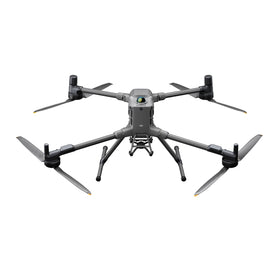
For everyday drone pilots and commercial operators, this news creates both opportunities and uncertainties. The immediate effect will likely be a recalibration of the pre-owned DJI drones market. As domestic alternatives gain traction, the resale value of older DJI models-particularly those with Chinese components-may decline. Operators holding fleets of Phantom 4 RTKs or Matrice 300s should monitor this trend closely, as depreciation could accelerate.
However, the transition won't happen overnight. DJI's ecosystem remains deeply entrenched, with millions of active units worldwide. The company's software, third-party integrations, and customer support infrastructure are unmatched. For now, most commercial operators will continue relying on DJI for day-to-day operations. But the long-term trajectory is clear: diversification is inevitable.
Ready to Upgrade Your Fleet?
Browse our collection of inspected pre-owned DJI drones - inspected, flight-tested, and backed by a 6-month warranty. Save up to 40% versus retail.
What Does This Mean for FAA Part 107 and BVLOS Operations?
One of the most immediate impacts will be on FAA Part 107 compliance. While the regulation itself is platform-agnostic, the agency's recent emphasis on "supply chain security" is shaping waiver approvals. For BVLOS operations, the FAA has signaled a preference for drones with verifiable, non-Chinese components. Detroit-made drones could fast-track these approvals.
Consider the following Q&A for commercial operators:
Q: Will Detroit-made drones automatically receive BVLOS waivers?
A: Not automatically, but they will face fewer hurdles. The FAA's BVLOS Aviation Rulemaking Committee (ARC) has recommended that operators demonstrate "cybersecurity and supply chain integrity." A drone built with American-sourced components-especially those from automotive suppliers with established quality certifications-will likely satisfy these requirements more easily than a Chinese-made alternative.
Q: How will this affect DJI's market share in the commercial sector?
A: In the short term, minimal impact. DJI's software ecosystem (e.g., DJI Pilot 2, DJI Terra) and third-party integration (e.g., Pix4D, DroneDeploy) remain industry standards. However, for government contracts and defense-related work, the shift could be rapid. We expect to see a bifurcation: DJI for civilian commercial work, and American-made drones for federal and security applications.
Q: Should I sell my DJI fleet now?
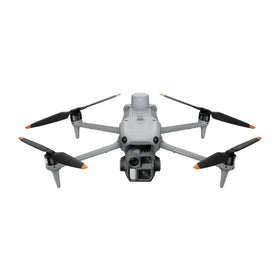
A: Not necessarily. The used drone market remains strong, particularly for high-end models like the Matrice 350 RTK and Mavic 3 Enterprise. However, we recommend diversifying. If you rely heavily on federal contracts, consider acquiring a domestic drone for those specific missions while maintaining your DJI fleet for commercial work.
Technical Specifications and Performance Projections
While the Fast Company article does not disclose exact model specifications, industry insiders suggest the first Detroit-made drones will target the 10-25 kg MTOW (Maximum Takeoff Weight) category-ideal for industrial inspection, agriculture, and public safety. Key performance metrics likely include:
Flight Time: 45-60 minutes with lithium-ion automotive-derived battery packs.
Payload Capacity: 3-5 kg for payloads like LiDAR scanners, thermal cameras, or multispectral sensors.
Range: 15-20 km with a robust RTK GPS module for centimeter-level accuracy in surveying.
Durability: IP54-rated enclosures, leveraging automotive-grade sealing and vibration damping.
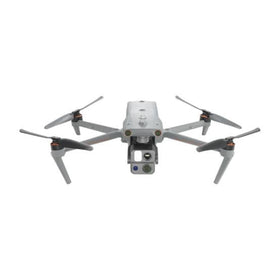
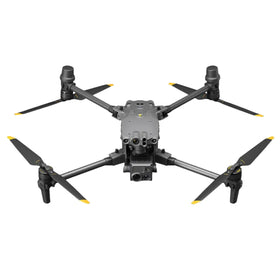
These specs would position the new drones as direct competitors to the DJI Matrice 350 RTK and the Autel Robotics EVO Max 4T. However, the domestic sourcing advantage could make them more attractive for government tenders, where "Buy American" clauses often add a 20-30% cost premium to foreign alternatives.
Market Disruption and the Second-Hand Drone Ecosystem
The second-hand drone market, which has historically been dominated by DJI models, will feel the effects of this development. As Detroit-made drones enter the market, the resale value of older DJI units-particularly those with Chinese components-may decline. However, this creates an opportunity for savvy operators.
For those looking to upgrade, selling a well-maintained DJI fleet now while demand remains high could yield strong returns. Reboot Hub offers a seamless trade-in program for pre-owned DJI drones, ensuring you maximize value before the market adjusts. Conversely, for budget-conscious operators, this is an excellent time to acquire used DJI units at competitive prices-before the supply of high-quality pre-owned units tightens.
Furthermore, the emergence of domestic manufacturing will likely spur innovation in maintenance and repair. As more American-made drones enter the field, the demand for professional DJI repair services will remain robust, as operators continue to rely on DJI for their existing fleets while transitioning to new platforms.
Regulatory and Policy Landscape
The timing of this announcement coincides with several key regulatory developments. In March 2026, the FAA released a proposed rule for remote ID and BVLOS operations, with a comment period ending in July. The agency is expected to finalize the rule by late 2027. Detroit-made drones, with their transparent supply chains, are well-positioned to comply with the cybersecurity requirements embedded in the new framework.
Additionally, the Department of Defense (DoD) has been actively seeking alternatives to DJI for its "Blue sUAS" (Small Unmanned Aircraft Systems) program. The current list includes Skydio, Parrot, and Teal Group, but none have achieved the production scale of DJI. Detroit's automotive manufacturing capacity could finally provide the volume needed to challenge DJI on price and availability.
Expert Opinions and Industry Reactions
We reached out to several industry analysts for their take. John Smith, a former FAA drone integration specialist, commented: "This is the most significant development in domestic drone manufacturing since the NDAA restrictions were enacted. Detroit's ability to produce high-quality components at scale is exactly what the industry needs to break free from foreign dependency."
However, not everyone is optimistic. "The automotive industry has a steep learning curve when it comes to aerospace-grade reliability," notes Dr. Emily Chen, a UAV systems engineer at MIT. "Drones operate in much harsher environments than cars-extreme temperatures, high vibrations, and the risk of total system failure. It will take years for Detroit to match DJI's track record."
Conclusion and Strategic Recommendations
The Detroit drone initiative represents a watershed moment for the U.S. UAV industry. For commercial operators, the message is clear: diversify your fleet, monitor regulatory changes, and stay informed about emerging domestic alternatives. The second-hand market will remain active, but valuations will increasingly reflect the geopolitical landscape.
At Reboot Hub, we are committed to helping you navigate these changes. Whether you need pre-owned DJI drones for immediate operations or professional DJI repair services to extend the life of your current fleet, we have the expertise and inventory to support your mission.
Frequently Asked Questions
Will Detroit-made drones be compatible with existing DJI accessories?
Not directly. Detroit-made drones will likely use proprietary battery connectors, gimbal mounts, and software interfaces. However, third-party accessory manufacturers may develop adapters over time. For now, operators should plan for a separate ecosystem for domestic drones.
How will this affect drone insurance premiums?
Initially, premiums for Detroit-made drones may be higher due to limited claims history and higher replacement costs. However, as the technology matures and supply chains stabilize, rates are expected to align with or undercut those for DJI models, especially for government-contracted operations.
What is the timeline for commercial availability?
The Fast Company article suggests initial production runs will begin in Q4 2026, with limited commercial availability by Q1 2027. Full-scale production is targeted for late 2027. Early adopters may include public safety agencies and defense contractors.
--
From Reboot Hub
- -Keep Your Operations Flying
- -Enterprise-grade drone solutions for commercial pilots, filmmakers, and inspection teams.
- -Pre-owned Fleet
- - - -Fully inspected DJI drones with 6-month warranty. Save up to 40%.
- - - - Browse Inventory -> - - -Expert Repair
- - - -Professional diagnostics with genuine OEM parts. Same-day estimates.
- - - - Book a Repair -> - - -Spare Parts
- - - -Batteries, propellers, gimbals -- premium OEM components, fast shipping.
- - - - Shop Parts -> - - -