Cathie Wood Sells $279M in Stocks: What It Means for the Drone Industry
ARK Invest’s massive $279M stock sell-off signals a shift in growth-tech sentiment. For drone operators, this means tighter capital for startups, potential price drops in used gear, and a renewed urgency to optimize fleet costs. Learn how second-hand DJI drones and professional repair services can hedge against market volatility under FAA Part 107.

ملاحظات تحريرية
- تجمع هذه المقالة بين التقارير الخارجية المذكورة مع تحليل Reboot Hub's الخاص لمشتري الطائرات بدون طيار ومشغلي الأساطيل وعملاء الإصلاح ومراقبي السوق مستعمل DJI.
- يتم فصل حقائق المصدر عن التفسير. عندما يوفر تقرير بيانات محدودة، تنص المقالة على عرض القيود والإطارات Reboot Hub's كتحليل.
- لدى Reboot Hub روابط تجارية لمنتجات الطائرات بدون طيار وخدمات الإصلاح؛ هذه الروابط هي موارد للقراء ولا تحدد نتيجة المقال.
On June 12, 2026, financial markets are buzzing with the news that Cathie Wood’s ARK Invest has liquidated approximately $279 million worth of stock this week, offloading shares in 20 different companies according to internal trading records. While the sell-off is broad—spanning tech, biotech, and fintech—its undercurrents reach deep into the commercial drone ecosystem. For operators, fleet managers, and investors in the unmanned aerial vehicle (UAV) space, this move by one of the most influential growth investors sends a clear signal: turbulence ahead for high-valuation tech stocks, including those in the drone and advanced air mobility (AAM) sectors.

The implications go beyond Wall Street. ARK’s portfolio has historically included companies developing drone technology, electric vertical takeoff and landing (eVTOL) aircraft, and autonomous systems. When a fund that famously rode the innovation wave starts selling at scale, it suggests a re-rating of risk—or a tactical shift into cash and safer positions. For the drone industry, which still relies on volatile venture capital and public market financing for R&D and scaling, this move could tighten funding pipelines and accelerate cost-conscious behavior among operators.
The ARK Sell-Off: A Bearish Signal for Drone Growth Stocks?
ARK Invest is known for its aggressive bets on “disruptive innovation.” Its flagship ETF, ARKK, holds positions in companies like Tesla, Roku, and Zoom, but also in firms tied to drone technology—such as Archer Aviation (maker of eVTOL air taxis) and various robotics and autonomous driving plays. Although the specific details of which 20 stocks were sold have not been fully disclosed, ARK’s daily trade confirmations show consistent trimming of growth names throughout the week.
Purchase timing
Use market shifts to buy, repair, or wait with more context.
Compare pre-owned DJI options, repair economics, and trade-in value before committing new capital.
“This is a significant liquidity event,” says Mark Kaletka, a drone industry analyst at AeroValuation. “ARK is signaling that it sees better opportunities elsewhere or wants to reduce exposure to a sector that has underperformed amid rising interest rates. For private drone companies eyeing IPOs, this is a cold shower.”
Publicly traded drone and eVTOL firms have already felt the pinch. Shares of Joby Aviation and Lilium have dropped over the past year as cash burn rates drew scrutiny. A large-scale fund sell-off could exacerbate that, making it harder for these companies to raise follow-on capital. For commercial drone operators who rely on hardware from these companies or partner with them for airspace integration, uncertainty in their financial health could delay product releases or service upgrades.
Moreover, ARK’s move may trigger a broader rotation out of growth stocks into value or income-generating assets. That would reduce the appetite for SPAC mergers—a common route to public markets for drone startups—and further slow the flow of cheap capital into the industry. The result: drone companies may need to focus on profitability sooner, potentially cutting back on aggressive pricing subsidies or free feature rollouts.
Immediate Impact on Drone Operators and the Second-Hand Market
While Wall Street processes the sell-off, drone pilots on the ground need to prepare for practical consequences. One immediate effect could be on the used drone market. When venture-backed drone startups tighten budgets, they often sell off excess test units or upgrade fleets less frequently, flooding the secondary market with lightly used equipment. At the same time, operators seeking to preserve cash may turn to inspected pre-owned drones rather than buying new. This creates a perfect storm for price compression—good news for buyers, but a challenge for those holding inventory.
Ready to Upgrade Your Fleet?
Browse our collection of inspected pre-owned DJI drones — inspected, flight-tested, and backed by a 6-month warranty. Save up to 40% versus retail.
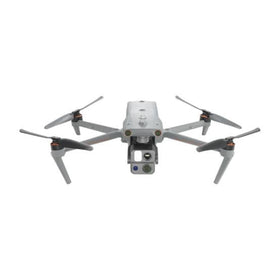
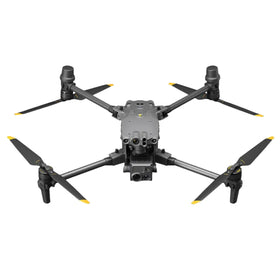
Additionally, the sell-off could influence the financing of new drone purchases. If banks and leasing companies see drone valuations as more volatile—due to weaker equity backing from manufacturers—they may tighten credit terms or raise interest rates for drone loans. That would directly impact Part 107 commercial operators who need to finance a fleet of DJI Matrice 30Ts or Autel EVO Max 4Ts. The cost of capital goes up, making every dollar of equipment spend more precious.
What This Means for Commercial Drone Pilots and Fleet Managers (Q&A)
Q: How does a fund sell-off affect my daily drone operations?
A: In the short term, you may not see direct changes. But over the next 6–12 months, expect the following: First, prices for new drone models from startups may become less aggressive as those companies conserve cash. Second, the resale value of your current drones could drop if more used inventory hits the market. Third, insurance premiums for drone liability may rise because re-insurance markets watch tech volatility. To hedge, focus on reducing per-flight costs: buy pre-owned DJI drones instead of pre-owned units, and extend the life of current hardware through professional repairs.
Q: Should I sell my drone fleet stock and wait for lower prices?
A: If you’re holding equity in drone companies (e.g., through pre-IPO shares or ETFs), ARK’s move may signal a good time to take profits or cut losses. But if you’re an operator, the drone hardware market is less efficient. Prices for used DJI Phantom 4 RTKs or Mavic 3 Multispectrals are already down 15-20% from a year ago per Reboot Hub’s market tracker. Another dip is possible. However, waiting for the bottom carries risk if you need gear for upcoming contracts. The smarter play is to buy high-quality used gear now from a trusted refurbisher, locking in current low prices while avoiding the premium of new inventory.
Q: What about regulatory considerations?
A: Market turbulence doesn’t change FAA Part 107 rules or BVLOS waivers. But when drone manufacturers face financial stress, software updates and spare parts support can suffer. Stick to established brands (like DJI) that have proven aftermarket support through companies like Reboot Hub. Also, consider that a slower IPO market may delay the rollout of new air traffic management systems for drones, pushing back BVLOS expansion. That makes it even more important to optimize your current fleet’s efficiency.
Navigating Uncertainty: Cost-Effective Strategies for Drone Fleets
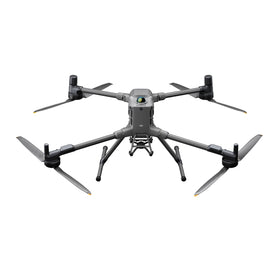
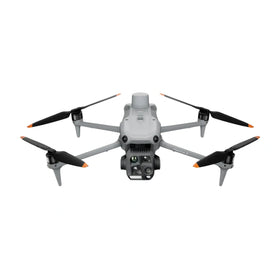
In the wake of ARK’s sell-off, the smartest drone operators are doubling down on asset efficiency. Instead of chasing the latest hardware, they are investing in maintenance and component-level repairs. This is where professional DJI repair services become a strategic advantage. A single arm replacement or gimbal calibration on a DJI Matrice 300 can cost a fraction of a new unit, and when market conditions squeeze budgets, every repaired drone keeps revenue-generating assets in the air.
Furthermore, the second-hand market is becoming more institutionalized. Companies like Reboot Hub offer inspected pre-owned drones with flight logs, inspection reports, and warranties—removing the risk traditionally associated with buying used. As venture capital dries up and startups cut back, expect the refurbished channel to grow as a primary source for cost-conscious enterprise fleets. The convergence of financial market signals and operational realities could reshape how the drone industry invests in hardware for years to come.
In the long run, Cathie Wood’s move may be a boon for the second-hand market. Lower stock prices for drone companies mean lower confidence in new product launches, which pushes buyers toward proven, depreciated models. Operators who adapt quickly—by turning to inspected pre-owned DJI drones and prioritizing repair over replacement—will weather the financial headwinds better than those who keep buying new at retail.
Frequently Asked Questions
1. Will Cathie Wood’s stock sell-off directly lower drone prices?
Indirectly, yes. When ARK and other growth funds sell, it reduces the valuation of drone-related companies. Those companies may then cut production or offer discounts to move inventory, which can depress new drone prices. Simultaneously, the second-hand market may see a surplus of corporate assets, driving down pre-owned prices. However, the effect is not immediate; it typically takes 3–6 months to ripple through.
2. Should I delay buying a drone until after the market stabilizes?
That depends on your need. If you have an urgent contract requiring specific equipment, waiting could cost more in lost revenue than the potential price drop. But if you have flexibility, watching the used market over the next two months could yield bargains. Reboot Hub’s inventory updates weekly with fresh inspected pre-owned stock, so you can strike when pricing is optimal.
3. How can I protect my drone business from stock market volatility?
Focus on operational resilience: maintain a cash reserve, diversify your service offerings (e.g., add thermal inspection or LiDAR mapping), and minimize capital expenditure on new hardware by buying high-quality used gear. Also, consider leasing or financing through established partners rather than manufacturer programs that might tighten credit during downturns.
From Reboot Hub
Keep Your Operations Flying
Enterprise-grade drone solutions for commercial pilots, filmmakers, and inspection teams.
Pre-owned Fleet
Fully inspected DJI drones with 6-month warranty. Save up to 40%.
Browse Inventory ->