AeroVironment Q4 2026 Earnings: What It Means for the Drone Industry
AeroVironment’s FY2026 earnings release on June 29 will set the tone for defense drone procurement and commercial UAS trust. With BVLOS waivers expiring and switchblade demand surging, AV’s financial health could shift capital flows in the $40B drone ecosystem. Operators and investors who miss this analysis risk overlooking critical market signals that will define Part 107 compliance costs and second-hand asset valuations.

ملاحظات تحريرية
- تجمع هذه المقالة بين التقارير الخارجية المذكورة مع تحليل Reboot Hub's الخاص لمشتري الطائرات بدون طيار ومشغلي الأساطيل وعملاء الإصلاح ومراقبي السوق مستعمل DJI.
- يتم فصل حقائق المصدر عن التفسير. عندما يوفر تقرير بيانات محدودة، تنص المقالة على عرض القيود والإطارات Reboot Hub's كتحليل.
- لدى Reboot Hub روابط تجارية لمنتجات الطائرات بدون طيار وخدمات الإصلاح؛ هذه الروابط هي موارد للقراء ولا تحدد نتيجة المقال.
AeroVironment, Inc. (NASDAQ: AVAV) is set to release its fourth quarter and full fiscal year 2026 financial results after the market closes on Monday, June 29, 2026. The Arlington, Virginia-based defense contractor will host a conference call and live audio webcast at 4:30 p.m. Eastern Time to discuss the numbers. For commercial drone operators, second-hand market participants, and defense investors alike, this earnings call offers a rare window into the financial health of one of the most influential players in unmanned aircraft systems (UAS).

AV's fiscal year ended April 3, 2026, a period marked by sustained global military modernization, accelerating drone adoption in Ukraine and the Indo-Pacific, and growing regulatory clarity for commercial BVLOS operations. As the largest publicly traded pure-play defense drone company, AeroVironment's results serve as a bellwether for the entire UAS sector-including the used drone market, where capital flows often mirror new equipment procurement trends.
AeroVironment's Fiscal Year 2026: A Pivotal Moment for Defense UAS
The defense drone market has been on a torrid trajectory. According to a 2025 report by MarketsandMarkets, the global military drone market is expected to reach $40 billion by 2028, growing at a CAGR of over 14%. AeroVironment, with its iconic Switchblade loitering munition and Raven reconnaissance systems, has been a primary beneficiary. However, fiscal 2026 also brought headwinds: supply chain disruptions for critical semiconductor components, a competitive landscape that includes DJI's commercial-to-military crossovers, and shifting Pentagon procurement priorities under the latest National Defense Authorization Act.
Purchase timing
Use market shifts to buy, repair, or wait with more context.
Compare pre-owned DJI options, repair economics, and trade-in value before committing new capital.
Analysts expect AV to report revenue in the range of $580 million to $620 million for the full year, with the Q4 contribution perhaps accounting for more than $180 million if government contract close-outs were favorable. The company's backlog-often a leading indicator-is believed to have remained strong, buoyed by multi-year orders from the U.S. Army and allied nations for loitering munition systems. In early 2026, AV secured a $150 million contract for Switchblade 600 drones under the U.S. Army's Lethal Unmanned Systems program, signaling sustained demand.
But the earnings call will reveal more than just top-line numbers. EBIT margins, R&D spending on next-generation vertical takeoff and landing (VTOL) platforms, and forward guidance for fiscal 2027 will be scrutinized. Of particular interest is how AV is navigating the regulatory environment. The FAA's recent expansion of Part 107 waivers for BVLOS flights has opened new commercial corridors, but AV's primary market remains military. Still, any commentary on commercial spin-offs-such as the company's work on drone-in-a-box solutions for perimeter security-could indirectly affect the second-hand inventory of DJI and other civil drones as operators reassess their fleet strategies.
What the Earnings Call Means for Defense and Commercial Drone Operators
For defense contractors and government procurement officers, the AV earnings call is a must-watch event. The company's financial health influences contract terms, delivery schedules, and the pace of technology refresh cycles. If AV signals a solid cash position, it may accelerate R&D on autonomous swarming and AI-based target recognition-features that will trickle down to commercial systems within two to three years. Conversely, any cautionary language about supply chains or customer concentration could signal near-term price volatility for replacement parts and maintenance services.
Ready to Upgrade Your Fleet?
Browse our collection of inspected pre-owned DJI drones - inspected, flight-tested, and backed by a 6-month warranty. Save up to 40% versus retail.
For commercial drone operators-especially those flying DJI, Autel, or Skydio platforms under Part 107-the earnings call may seem distant, but it is not irrelevant. AeroVironment's performance influences institutional confidence in UAS technology broadly. When a defense giant like AV reports strong margins, it validates the economic viability of drone platforms, which in turn supports secondary market valuations for used drones. Conversely, a weak report could trigger a flight to quality, driving more operators toward inspected pre-owned units rather than new purchases.
The Broader Impact on the Second-Hand Drone Market and Commercial Operations
The used drone market is particularly sensitive to institutional signals. When defense contractors like AeroVironment report healthy earnings, it often coincides with increased government budgets for drone procurement, which can lead to a wave of trade-ins as agencies upgrade from older platforms like the Raven to newer Switchblade or VTOL systems. Surplus military drones-often decommissioned and reconditioned-trickle down to the commercial market through channels like Reboot Hub, providing cost-effective options for surveying, inspection, and public safety.
For the typical commercial pilot operating under Part 107, the implications are tangible. Higher defense spending on drones generally means more R&D dollars flowing into sensor fusion, obstacle avoidance, and autonomous flight-technologies that eventually appear in consumer and prosumer drones. The AeroVironment earnings call could hint at timeframes for these developments. Moreover, if AV highlights supply chain tightness, it may push up prices for new drones, making pre-owned DJI drones an even more attractive alternative for fleet expansion.
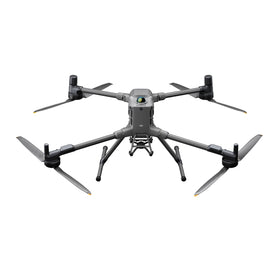
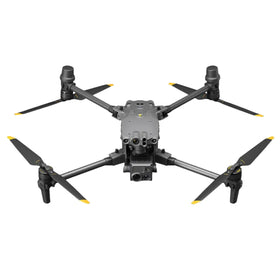
Second-hand market dynamics are also shaped by regulatory tailwinds. The FAA's ongoing efforts to expand BVLOS access-most notably through the BEYOND program and recent Notice of Proposed Rulemaking on remote ID-could accelerate demand for used drones that are already equipped with compliant hardware. For example, a DJI Matrice 300 RTK with a payload of high-resolution sensors can be acquired on the secondary market at 60% of its original cost, while still meeting Part 107 technical requirements. In this context, AV's financial health is a macroeconomic signal: strong defense-sector confidence encourages commercial operators to invest in drone technology, thereby boosting liquidity in the used market.
Furthermore, when defense contractors invest in advanced manufacturing capabilities-such as AV's new assembly line in Simi Valley, California-it can lead to more efficient production techniques that eventually lower component costs for civilian drone manufacturers. This cascading effect means that even a purely defense-focused earnings report like AV's holds relevance for a wide audience, including individual pilots and fleet managers.
Key Takeaways for Investors and Industry Stakeholders
Investors should look beyond the headline earnings per share and focus on three metrics: free cash flow, backlog conversion rate, and forward guidance on operating margins. AeroVironment's ability to convert its massive backlog into revenue has been a point of contention in prior quarters due to parts shortages. If management can demonstrate improved conversion in Q4, that bodes well for the entire defense supply chain.
Industry stakeholders-including drone dealers, repair shops, and training academies-should also pay attention to AV's commentary on commercial diversification. If the company announces a new line of industrial inspection drones (a rumor that surfaced in early 2026), it could disrupt the commercial market and push prices for legacy DJI models even lower. Such a development would be a boon for the second-hand market, as larger enterprise buyers offload fleets to upgrade to AV's new offerings.
Of course, for those who rely heavily on DJI systems, the earnings call is also a reminder that the drone ecosystem is maturing. Companies like AeroVironment are no longer just military suppliers; they are becoming credible alternatives to DJI in the civil sector, especially for public safety and critical infrastructure. This competition ultimately benefits the consumer and commercial pilot through better technology and more professional DJI repair services and support ecosystems that emerge as the market expands.
As we await the June 29 report, our team at Reboot Hub has already seen increased interest from fleet managers looking to lock in used DJI inventory before any market shifts. The earnings call will likely confirm that defense spending on drones continues to accelerate, but it may also reveal new commercial opportunities that change the calculus for second-hand buyers.
Stay tuned for our post-earnings breakdown, where we'll dive into the specific numbers and what they mean for your fleet acquisition strategy. In the meantime, check our inventory of refurbishment-labeled drones and professional repair services to keep your operations running at peak efficiency.
Frequently Asked Questions
1. How does AeroVironment's earnings report affect commercial drone operators?
AeroVironment's financial results are a macroeconomic indicator for the UAS industry. Strong earnings signal confidence in drone technology, which can stabilize or even increase the value of used drones as more operators invest in fleets. Conversely, a weak report may prompt budget tightening, making pre-owned units more attractive.
2. What specific metrics from the AV earnings should commercial pilots watch?
Key metrics include R&D spending (indicates future tech spin-offs), backlog conversion (affects supply of surplus military drones), and any commentary on commercial product lines. Also listen for mentions of supply chain constraints, which can impact prices for new drones and parts.
3. Where can I find affordable used DJI drones if defense spending drives up new prices?
Reboot Hub offers a wide selection of pre-owned DJI drones and professional DJI repair services to help operators maintain high performance at a fraction of retail cost.
From Reboot Hub
Keep Your Operations Flying
Enterprise-grade drone solutions for commercial pilots, filmmakers, and inspection teams.
Pre-owned Fleet
Fully inspected DJI drones with 6-month warranty. Save up to 40%.
Browse Inventory ->