1414 Degrees Targets Ukraine Drone Battery Market – A Thermal Energy Revolution for UAVs
Australian thermal storage firm 1414 Degrees is pivoting its patented silicon-based energy tech to recharge military drones in Ukraine, promising BVLOS endurance beyond current lithium limits. The move could disrupt battlefield logistics and ripple into the second-hand drone market – what commercial operators must know about the impending battery shift.

ملاحظات تحريرية
- تجمع هذه المقالة بين تقارير خارجية محددة وتحليلات Reboot Hub الخاصة لمشتري الدرونز، ومشغلي الأساطيل، وعملاء الإصلاح، ومراقبي سوق DJI المستعملة.
- يتم فصل حقائق المصدر عن التفسيرات. وفي حال قدم التقرير بيانات محدودة، توضح المقالة هذا القصور وتصيغ رؤية Reboot Hub كتحليل.
- يمتلك Reboot Hub روابط تجارية لمنتجات الدرونز وخدمات الإصلاح؛ هذه الروابط هي موارد للقراء ولا تحدد نتيجة المقال.
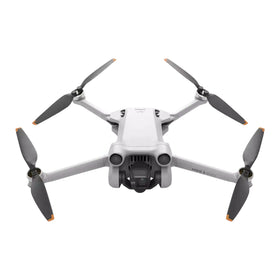
June 12, 2026 – Sydney, Australia. In a strategic pivot that signals a new frontier for battlefield UAV logistics, 1414 Degrees (ASX: 14D) has quietly confirmed its entry into the Ukraine drone battery market. The company, best known for its silicon-based thermal energy storage systems (TESS), plans to adapt its high-density energy modules to power and quickly recharge drones operating in contested environments. This development, first reported by The Australian, arrives at a critical juncture: Ukrainian forces rely heavily on commercial drones – many of them DJI Mavic and Phantom series – for reconnaissance, artillery correction, and precision strike missions. The Achilles' heel remains battery life, especially in subzero winter conditions where lithium-ion performance plummets.

1414 Degrees’ TESS tech functions by storing energy at high temperatures (up to 800°C) in a silicon alloy and releasing it on demand as electricity. For drone operations, this means a soldier could recharge a depleted battery in minutes using an insulated portable charger that weighs no more than a standard infantry radio. The implications are massive: extended loiter times for surveillance, faster re-engagement windows for FPV strike drones, and reduced logistics burden on resupply convoys. But beyond the immediate tactical advantage, this news sends shockwaves through the commercial UAV sector – especially among operators eyeing the pre-owned DJI drones market, where battery health and replacement costs are perennial top concerns.
Why Thermal Energy Storage Is a Game-Changer for Drone Batteries
Lithium-polymer batteries have dominated the drone industry for over a decade. They are lightweight, energy-dense, and relatively inexpensive. Yet their limitations are well documented: capacity degradation after ~200 cycles, severe performance loss below 0°C, and long recharge times (typically 60–90 minutes for a full charge from a standard wall outlet). Thermal energy storage addresses each of these pain points. 1414 Degrees’ TESS module can be “charged” in under five minutes when plugged into a gas generator, vehicle alternator, or even a tactical microgrid. Once hot, the silicon alloy holds the energy with negligible loss for hours. When a drone returns, the TESS unit discharges electricity directly into a standard 4S or 6S battery in 10–15 minutes – a 6x speed improvement over conventional charging.
Fleet readiness
Keep DJI hardware available without overbuying new units.
Use this news as a planning signal for inspected DJI aircraft, repair support, and trade-in timing.
For military users in Ukraine, this is a force multiplier. A single TESS unit can re-energize a fleet of 30 small drones per day without drawing from limited mains power. The technology also tolerates extreme cold better than lithium chemistries because the energy is stored as heat rather than electrochemical potential. This aligns with reports from Ukrainian drone operators who have modified batteries with hand warmers and insulation – a crude workaround that 1414 Degrees’ TESS renders obsolete. The company has reportedly already shipped beta units to a Kyiv-based integrator for field trials.
The Military and Commercial Drone Battery Challenge
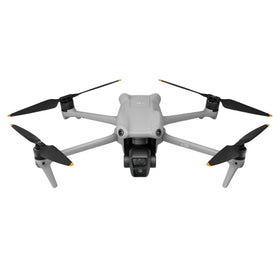
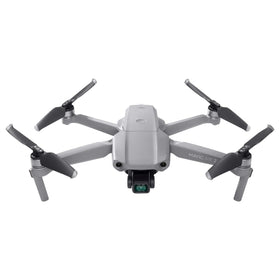
To understand why 1414 Degrees’ move is so significant, one must examine the current battery landscape in Ukraine. The battlefield drone ecosystem is overwhelmingly composed of consumer and prosumer UAVs – DJI Mavic 3, Autel EVO II, and FPV racing quads – because they are cheap, available, and easy to operate. These drones rely on proprietary batteries that are not designed for sustained combat tempo. A DJI Mavic 3 battery costs around $160 retail and lasts only 30–40 minutes in moderate weather. In Ukrainian frontline conditions, operators report battery life dropping to 15 minutes. The result is that a single mission may require three to five batteries per drone, and the logistics of charging them becomes a critical bottleneck.
1414 Degrees aims to break that bottleneck. The TESS module, as envisioned for drone support, would be a ruggedized cube weighing about 12 kg, capable of storing 4 kWh of thermal energy – enough to fully charge approximately 20 Mavic 3 batteries from empty. The unit emits no noise and operates without moving parts, making it difficult to detect by thermal or acoustic sensors. In a warfare environment increasingly defined by electronic warfare and drone-on-drone combat, such stealth charging assets are invaluable. The defense angle is clear, but for the commercial UAV industry – especially in mining, agriculture, and infrastructure inspection – the thermal battery concept offers a tantalizing glimpse of a future where rapid recharging eliminates the need for massive battery fleets and expensive swap stations.
Ready to Upgrade Your Fleet?
Browse our collection of inspected pre-owned DJI drones — inspected, flight-tested, and backed by a 6-month warranty. Save up to 40% versus retail.
The second-hand and refurbished drone market stands to feel the effects of any battery paradigm shift. Currently, when commercial operators purchase a used drone, one of the first things they examine is battery cycle count. A DJI Mavic 3 with 150 cycles is worth significantly less than one with 50 cycles, because battery replacement costs can approach 20% of the drone’s total value. If thermal recharging technology becomes mainstream – and 1414 Degrees plans to license its TESS design to OEMs – the economics of battery management change entirely. A drone that can be recharged in minutes from a ruggedized hub may command a premium even with an older battery, because the stress on the lithium cell is reduced. Rapid charging using thermal discharge actually lowers peak current and heat generation compared to conventional fast chargers, potentially extending battery life. For pre-owned specialists like Reboot Hub, this means the value of high-cycle airframes could climb, as the total cost of ownership shifts away from battery replacement.
What This Means for Commercial Drone Operators and the Second-Hand Market
For everyday drone pilots – especially those working in mapping, agriculture, and inspection – the 1414 Degrees development signals a near-term opportunity to rethink fleet management. The first commercial TESS units for drone support could arrive in late 2027, if field trials in Ukraine prove successful. When they do, operators will face a choice: invest in thermal charging infrastructure, or continue buying multiple lithium batteries. The former reduces upfront battery expenditure but requires a capital outlay for the charger; the latter maintains the status quo. For pilots flying beyond visual line of sight (BVLOS) under Part 107 waivers or equivalent global regulations, the ability to re-energize a drone at a remote landing zone without returning to base could enable longer continuous survey missions. A single TESS unit placed at a key location could turn a two-hour mapping operation into a six-hour one, reducing overall flight passes and data stitching complexity.
From the perspective of the second-hand drone market, any technology that extends battery life or reduces replacement frequency will influence resale values. Currently, the depreciation curve for a drone is steepest around the 150-cycle mark, because that is when most OEM batteries start showing noticeable capacity fade. If thermal charging becomes common, the economic life of a drone body could extend to 500 cycles or more, since the battery is no longer the limiting component. This would flatten the depreciation curve and make pre-owned DJI drones an even more attractive proposition for budget-conscious operators. At Reboot Hub, we are already monitoring the situation closely. Our professional DJI repair services team has seen a steady uptick in requests for battery health diagnostics, and we anticipate that as thermal charging gains traction, we will also receive more inquiries about retrofitting drone bays with quick-connect thermal interfaces.
Frequently Asked Questions
How does 1414 Degrees’ thermal energy storage work for drones?
1414 Degrees’ TESS (Thermal Energy Storage System) uses a silicon alloy that melts at high temperatures to store energy as latent heat. For drone applications, a portable TESS unit is charged using any external power source (generator, vehicle, grid). When a drone battery needs recharging, the TESS module releases the stored thermal energy through a thermoelectric conversion process, delivering electricity at controlled voltage and current. The key advantage is charge speed: a full recharge in 10–15 minutes, compared to 60+ minutes for lithium batteries. The unit is also silent and has no moving parts, making it ideal for covert military operations.
Will this technology be available for commercial drone pilots?
Not immediately. 1414 Degrees is currently focused on military applications in Ukraine, but the company has indicated plans to license the TESS design for commercial and industrial use. A commercial version could be available by 2027, likely targeting mining, agriculture, and public safety operators who need rapid field recharging. The cost per unit is expected to be high initially (estimated $2,000–$3,000), but could drop with scale. For now, most commercial pilots will continue using conventional lithium batteries, but the technology is worth watching as a potential game-changer for BVLOS and long-duration missions.
How will this affect the resale value of used DJI drones?
If thermal charging becomes mainstream, the resale value of drones with high battery cycles could increase, because the effective battery life is extended. A drone with 200 cycles on its original lithium pack might still have years of useful life if paired with a thermal charger that reduces charge stress. Conversely, drones without thermal charging capability may depreciate faster as the market shifts. For sellers, now is a good time to invest in battery care and documentation. For buyers, purchasing a refurbishment-labeled DJI drone with a verified low cycle count remains a smart decision, but the future value horizon looks brighter thanks to innovations like 1414 Degrees’ TESS.
The battle for Ukraine’s skies is also a laboratory for the drones of tomorrow. As 1414 Degrees moves from thermal energy storage to drone battery solutions, the entire UAV ecosystem – from frontline soldiers to commercial surveyors to second-hand marketplace operators – must prepare for a shift in how we power flight. The age of the 60-minute charge may finally be ending.
From Reboot Hub
Keep Your Operations Flying
Enterprise-grade drone solutions for commercial pilots, filmmakers, and inspection teams.
Pre-owned Fleet
Fully inspected DJI drones with 6-month warranty. Save up to 40%.
Browse Inventory ->