US Drone Import Tariffs Reach Up to 100 Percent
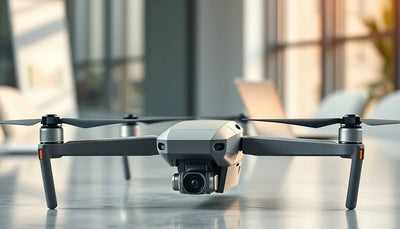
New US tariffs on imported drones and components could reach 100 percent, reshaping procurement costs for commercial fleets, public safety agencies, and individual pilots. The policy aims to boost domestic manufacturing but introduces immediate pricing and supply chain questions for operators who rely on imported platforms.

Quick answer
The Trump administration announced sweeping new tariffs on imported drones and drone components, with duties reaching as high as 100 percent for certain products.
- Tariffs target imported drones and drone components entering the US market.
- Duties can reach up to 100 percent for certain products.
- The policy aims to boost domestic manufacturing and reduce foreign supplier dependence.
- Commercial, public safety, and recreational drone operators may face higher acquisition costs.
Evidence: DroneDJ
Operator checklist
Turn policy news into a safer fleet decision.
Before changing aircraft, compare repair paths, available DJI inventory, and trade-in timing against the rule change.

The cost of buying an imported drone in the United States could rise sharply after the Trump administration announced sweeping new tariffs on drones and drone components, with duties reaching as high as 100 percent for certain products. The move, reported by DroneDJ on August 17, 2026, is framed as an effort to strengthen domestic manufacturing and reduce US reliance on foreign suppliers.
For commercial operators, public safety agencies, fleet managers, and even recreational pilots, the announcement raises immediate questions about procurement budgets, spare parts pricing, and the long-term availability of imported platforms that have become standard across many industries. While the full implementation timeline and product-level details remain limited in the initial reporting, the direction of travel is clear: imported drone hardware is set to become more expensive.
The policy shift and its stated intent
According to the DroneDJ report, the new tariff structure applies to imported drones and drone components, with duties reaching up to 100 percent for certain products. The administration's stated goal is to boost domestic manufacturing and reduce dependence on foreign suppliers, a rationale consistent with broader trade policy trends aimed at reshoring critical technology supply chains.
The practical implication for drone buyers is that acquisition costs could rise substantially depending on where a platform or component is manufactured. Operators who have built fleets around imported airframes, batteries, gimbals, or sensors may need to reassess their procurement timelines and budget assumptions. Even if a specific drone model is not immediately subject to the highest tariff tier, uncertainty around component-level duties can ripple through pricing across entire product lines.
What this means for drone owners and the market
For existing drone owners, the tariff announcement does not change the hardware they already operate, but it does affect how they plan for repairs, replacements, and fleet expansion. Imported spare parts, batteries, and replacement airframes could become more expensive, making proactive maintenance and careful asset management more financially important than before. Fleet managers who previously treated certain imported components as readily replaceable may now need to factor longer lead times and higher landed costs into their operating budgets. For owners evaluating service and lifecycle risk, Drone Wiki explains the relevant repair, parts, resale, or operational path.
Reboot Hub analysis: The pre-owned DJI market is likely to feel this shift in measurable ways. As new imported units become more expensive, inspected pre-owned DJI drones may become a more attractive option for operators who want to maintain fleet continuity without absorbing the full cost of tariff-inflated new inventory. Buyers who were already weighing new versus pre-owned acquisition will now have a stronger financial incentive to consider pristine pre-owned platforms and genuine OEM spare parts as part of their procurement strategy. For a clearer view of how pre-owned DJI hardware and OEM-pulled parts fit into a changing cost environment, operators can review the Drone Wiki for practical reference material.
Public safety agencies and enterprise fleets that depend on imported platforms for missions such as inspection, mapping, or emergency response may face budget pressure if replacement units or critical components fall under higher duty tiers. Procurement teams should begin modeling worst-case cost scenarios now, rather than waiting for final tariff schedules to be published. Even a partial pass-through of a 100 percent duty on select components would meaningfully change total cost of ownership calculations.
Repair, spare parts, and supply chain planning
The component-level scope of the tariff announcement is especially relevant for repair operations. Drone repair work often depends on imported OEM parts, including motors, gimbals, camera modules, and electronic speed controllers. If these components face elevated duties, repair costs could rise even for drones that were purchased before the tariff policy took effect.
For repair customers, the practical takeaway is to evaluate repair versus replacement decisions with updated cost assumptions. A repair that once seemed economical compared to buying a new unit may become even more attractive if new imported units carry significant tariff premiums. Conversely, repairs requiring imported parts may see price increases that narrow the gap. Operators should ask repair providers about parts sourcing and whether OEM-pulled or existing inventory can help stabilize pricing in the near term.
What operators should watch next
The initial reporting leaves several important questions unanswered, including the specific product categories subject to the highest duty rates, the effective date of implementation, and whether any exemptions will apply to public safety or enterprise procurement. DroneDJ's report establishes the broad policy direction, but operators should monitor official trade announcements for the detailed tariff schedule that will determine actual cost impact.
In the meantime, fleet managers and individual buyers should take a measured approach: review current inventory, identify imported components that are critical to ongoing operations, and consider whether pre-owned platforms or existing parts stock can provide a buffer against near-term price increases. The commercial drone market has absorbed regulatory and supply chain disruptions before, but this tariff shift introduces a new cost variable that will require careful planning across procurement, maintenance, and resale decisions.
FAQ
Frequently asked questions
How high can the new US drone import tariffs go?
According to the DroneDJ report, duties on imported drones and drone components can reach as high as 100 percent for certain products, though the specific categories subject to the highest rates were not detailed in the initial announcement.
Will the tariffs affect drone repair costs?
Yes, potentially. Because many drone repairs rely on imported OEM components such as motors, gimbals, and camera modules, component-level tariffs could raise repair pricing even for drones purchased before the policy took effect.
Should I buy a pre-owned DJI drone instead of a new imported unit?
For operators seeking to control acquisition costs, inspected pre-owned DJI drones may become a more attractive option as new imported units face tariff-driven price increases. Buyers should compare total landed cost of new units against pre-owned alternatives and available OEM spare parts.
Which sources support this update?
The visible evidence links identify DroneDJ; each source is used only for the claim it directly supports.
What remains subject to change?
Retail pricing, availability, product bundles and regulatory timelines can change. Readers should verify the latest terms with the named retailer, manufacturer or regulator before acting.
How should buyers or operators use this analysis?
Use the verified facts as a starting point, then compare mission fit, lifecycle support, maintenance needs and current procurement terms before making a purchase or fleet decision.
Konsulterade källor
- DroneDJ - primary source
Ytterligare officiell dokumentation var inte tillgänglig vid publiceringstillfället.
Reboot Hub Editorial tillför analys gällande köp, reparation, andrahandsvärde och drift för drönarägare. Om du upptäcker ett fel, kontakta oss för granskning av rättelse via vår redaktionella policy.