Morocco’s Military Drone Surge: What It Means for African Airspace and the Global UAV Market
Morocco’s ranking as Africa’s top military drone operator signals a seismic shift in continental defense strategies and commercial UAV operations. With fleets including Turkish Bayraktar TB2 and Chinese Wing Loong II, the move tightens airspace regulations and spurs demand for BVLOS-certified systems. For commercial pilots and second-hand market players, this means stricter compliance with local airspace laws and a spike in demand for rugged, military-grade refurbished drones. Reboot Hub analyzes the immediate operational risks and market opportunities.

Redaktionella noter
- Denna artikel kombinerar namngiven extern rapportering med Reboot Hub egen analys för drönarköpare, flottoperatörer, reparationskunder och bevakare av begagnade DJI-marknaden.
- Källfakta är åtskilda från tolkning. Om en rapport tillhandahåller begränsad data, anges detta i artikeln och Reboot Hub perspektiv presenteras som en analys.
- Reboot Hub har kommersiella länkar till drönarprodukter och reparationstjänster; dessa länkar är resurser för läsaren och avgör inte artikelns slutsats.
In a landmark development that is reshaping the geopolitical landscape of African aviation, Morocco has officially emerged as one of the continent's most significant military drone operators. As of May 31, 2026, new reports confirm that the North African kingdom has dramatically expanded its unmanned aerial vehicle (UAV) fleet, positioning itself as a key player in both regional defense and the global drone supply chain. This surge in military drone adoption is not just a story of defense procurement-it is a powerful signal for commercial UAV operators, second-hand market assessors, and technology investors worldwide.
According to data from Morocco World News, the country now operates a diverse fleet of combat and surveillance drones, including the Turkish Bayraktar TB2, the Chinese Wing Loong II, and various Israeli-made systems. This arsenal places Morocco in the top tier of African military UAV users, alongside nations like Egypt and Nigeria. However, the scale and sophistication of Morocco's drone program, combined with its strategic location near the Strait of Gibraltar, create ripple effects that extend far beyond the Maghreb region. For the commercial drone industry, this escalation signals tighter airspace control, increased demand for secure communication systems, and a growing market for inspected pre-owned hardware.
The timing of this news is critical. With the global commercial drone market projected to exceed $55 billion by 2027, the intersection of military and civilian UAV operations is becoming increasingly contentious. Morocco's move underscores a broader trend: nations are rapidly militarizing their airspace, which often leads to stricter regulations for commercial operators. For pilots flying under Part 107 or equivalent local frameworks, understanding these shifts is no longer optional-it is a matter of operational survival.
Fleet readiness
Keep DJI hardware available without overbuying new units.
Use this news as a planning signal for inspected DJI aircraft, repair support, and trade-in timing.
The Strategic Context: Why Morocco is Investing Heavily in Drones
Morocco's drone expansion is driven by a confluence of factors: regional security challenges, territorial disputes in Western Sahara, and a desire to modernize its armed forces. The country has long faced asymmetric threats from insurgent groups in the Sahel, and drones offer a cost-effective means of persistent surveillance and precision strike. The Bayraktar TB2, for instance, has proven its efficacy in conflicts from Libya to Ukraine, making it a go-to platform for nations seeking rapid air power augmentation.
On the other hand, the Wing Loong II provides Morocco with a heavy-lifting, long-endurance capability that can loiter for up to 20 hours. This is a game-changer for maritime patrol in the Atlantic and Mediterranean, as well as for monitoring the contested Western Sahara buffer zone. The integration of Israeli electronic warfare and sensor systems further enhances Morocco's ability to conduct network-centric warfare, a capability that directly impacts commercial UAV operations by creating more complex electronic spectrum environments.
What does this mean for everyday drone pilots? In short, expect more restricted airspace. Military no-fly zones are likely to expand, particularly along coastal areas and near strategic infrastructure. Commercial operators conducting mapping, surveying, or agricultural missions will need to invest in geofencing software and real-time airspace monitoring tools. Additionally, the proliferation of military-grade counter-drone systems in Morocco could inadvertently affect civilian UAVs, increasing the risk of signal interference or GPS spoofing.
Ready to Upgrade Your Fleet?
Browse our collection of inspected pre-owned DJI drones - inspected, flight-tested, and backed by a 6-month warranty. Save up to 40% versus retail.
Impact on the Commercial Drone Ecosystem: A New Reality for Operators
The militarization of drone technology in Africa is creating a dual-use dilemma. On one hand, the same sensors and platforms used for military purposes-such as thermal imaging, LiDAR, and secure data links-are increasingly available on the commercial market. On the other hand, the regulatory environment is becoming more restrictive. Morocco's military buildup will likely accelerate the adoption of Remote ID and UTM (UAS Traffic Management) systems across the continent, as governments seek to distinguish friendly military drones from civilian or hostile ones.
For commercial operators, this means a higher barrier to entry. Pilots flying in Morocco or neighboring countries must now contend with potential airspace closures, mandatory transponder usage, and stricter licensing requirements. The cost of compliance is rising, but so are the opportunities. There is a growing need for drone operators who can navigate these complex regulations, particularly in industries like oil and gas pipeline inspection, where missions often cross sensitive military zones.
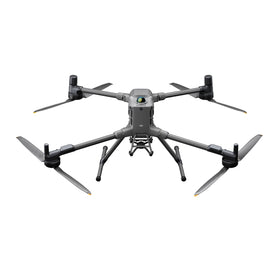
The second-hand market is also feeling the effects. As militaries upgrade their fleets, older but still capable platforms-such as early-model DJI Matrice 600s or even retired military-grade systems-enter the civilian market. This creates a unique opportunity for pre-owned specialists like Reboot Hub to source, inspect, and recertify these units for commercial use. However, operators must be cautious: ex-military drones often require firmware updates, battery replacements, and compliance checks to meet civilian airworthiness standards.
What Does This Mean for the Global Drone Supply Chain?
Morocco's drone procurement strategy reflects a broader shift in global supply chains. The country is not just a consumer; it is positioning itself as a hub for drone maintenance and assembly. Reports indicate that Morocco is investing in local production facilities for Turkish and Chinese drones, potentially becoming a re-export point for other African nations. This could disrupt the market for used drones, as more units become available locally rather than being shipped from Europe or Asia.
For the second-hand market, this is a double-edged sword. Increased supply could drive down prices for used units, but it also means more competition from refurbishers operating in lower-cost regions. Quality assurance becomes paramount. At Reboot Hub, we emphasize the importance of buying from certified sources that provide detailed flight logs, battery health reports, and genuine parts. Military surplus drones, while tempting, often lack the documentation needed for commercial insurance or regulatory compliance.
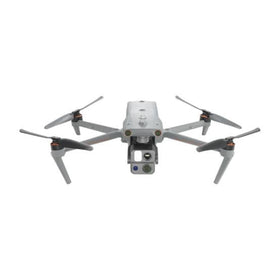
Additionally, the geopolitical implications cannot be ignored. Morocco's close ties with both Turkey and China mean that Western-made drones, such as those from DJI or Autel, may face increased scrutiny. Some African nations are already imposing restrictions on Chinese-made drones due to data security concerns. This creates a niche for refurbished, Western-compatible units that meet strict ITAR (International Traffic in Arms Regulations) or GDPR standards. For operators, this is a critical consideration: a refurbishment-labeled DJI drone from a trusted seller can offer the peace of mind that a military surplus unit cannot.
Navigating the Future: Opportunities for Commercial Pilots and Investors
Despite the challenges, the news from Morocco presents significant opportunities. The demand for drone services in Africa is exploding, driven by agriculture, mining, and infrastructure development. As militaries dominate high-altitude airspace, commercial operators will find their niche in low-altitude, precision applications. BVLOS (Beyond Visual Line of Sight) operations, in particular, will become more valuable as operators demonstrate their ability to fly safely in congested environments.
For investors, the second-hand market is a bellwether. When militaries buy new drones, older models flood the market, creating buying opportunities for small and medium enterprises. However, the key is reliability. The used drone market is maturing, and buyers are increasingly willing to pay a premium for units that come with comprehensive inspection reports and warranties. This is where Reboot Hub's model of rigorous testing and genuine parts replacement adds tangible value.
Furthermore, the rise of military drone operations is driving innovation in counter-drone technology, which in turn creates new service opportunities for commercial operators. Companies that can offer drone detection and mitigation services-while staying within legal boundaries-will find a ready market among airports, prisons, and event venues. The skills required for these roles are demanding, but they are also highly transferable from military experience.
Frequently Asked Questions
How does Morocco's military drone expansion affect commercial drone pilots?
Commercial pilots operating in or near Moroccan airspace should prepare for expanded no-fly zones, increased electronic interference, and stricter regulatory compliance. It is advisable to invest in real-time airspace monitoring tools and ensure all drones are equipped with Remote ID. Additionally, pilots should verify that their insurance policies cover operations in areas with active military drone activity, as standard policies may exclude war-risk zones.
Will this news impact the price of used drones on the global market?
Yes, indirectly. As militaries like Morocco's upgrade their fleets, older models-particularly from Turkish and Chinese manufacturers-may enter the civilian market in larger volumes, potentially depressing prices. However, demand for certified, flight-tested units from reputable brands like DJI remains strong. The key is provenance: a drone with a clear service history and genuine parts will always command a premium over surplus military hardware.
What should I look for when buying a refurbished drone in this environment?
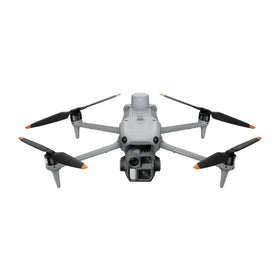
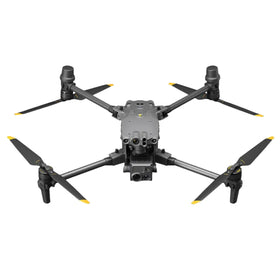
Prioritize units from sellers that provide detailed inspection reports, including battery cycle counts, motor health, and firmware version history. Avoid ex-military drones unless they come with full documentation for civilian compliance. At Reboot Hub, we recommend focusing on platforms like the DJI Matrice 300 RTK or the Mavic 3 Enterprise, which offer robust security features and are widely supported for spare parts and repairs. If you need repairs, consider our professional DJI repair services to ensure your drone meets current airspace standards.
The Moroccan military drone surge is a watershed moment for the African UAV industry. It signals a future where military and commercial operations must coexist under increasingly complex regulatory frameworks. For operators, the path forward involves embracing compliance, investing in certified equipment, and staying informed about geopolitical shifts. At Reboot Hub, we are committed to helping our customers navigate this new reality with confidence, offering transparent pricing, rigorous inspections, and expert support for every drone in our inventory.
--
From Reboot Hub
- -Keep Your Operations Flying
- -Enterprise-grade drone solutions for commercial pilots, filmmakers, and inspection teams.
- -Pre-owned Fleet
- - - -Fully inspected DJI drones with 6-month warranty. Save up to 40%.
- - - - Browse Inventory -> - - -Expert Repair
- - - -Professional diagnostics with genuine OEM parts. Same-day estimates.
- - - - Book a Repair -> - - -Spare Parts
- - - -Batteries, propellers, gimbals -- premium OEM components, fast shipping.
- - - - Shop Parts -> - - -