Medics in the Indo-Pacific: How Drones Are Reshaping Combat Evacuation
The US Army is rethinking combat casualty care in the Indo-Pacific as contested airspace, communication blackouts, and extreme weather threaten traditional MEDEVAC routes. For commercial drone operators, this signals a massive shift toward BVLOS certification, RTK-enabled precision landing, and ruggedized airframes. The DoD's pivot to drone-based logistics could unlock heavy investment in second-hand platforms like the DJI M300 and M350, driving up resale values for pre-owned enterprise drones. If you operate under Part 107 near military training areas, expect new airspace restrictions and potential demand for your hardware. Read the full analysis.

Redaktionella noter
- Denna artikel kombinerar namngiven extern rapportering med Reboot Hub egen analys för drönarköpare, flottoperatörer, reparationskunder och bevakare av begagnade DJI-marknaden.
- Källfakta är åtskilda från tolkning. Om en rapport tillhandahåller begränsad data, anges detta i artikeln och Reboot Hub perspektiv presenteras som en analys.
- Reboot Hub har kommersiella länkar till drönarprodukter och reparationstjänster; dessa länkar är resurser för läsaren och avgör inte artikelns slutsats.
The US Army is preparing for a fight unlike any in recent memory. On May 28, 2026, new reports from the Indo-Pacific theater reveal that combat medics are confronting a nightmare scenario: wounded soldiers stranded on remote islands, contested airspace that grounds traditional helicopters, and communication disruptions that sever all links to command. The solution, increasingly, is the drone-specifically, a new generation of autonomous unmanned aerial systems (UAS) designed to deliver medical supplies, extract casualties, and navigate through GPS-denied environments.
For the commercial drone industry, this is not merely a military curiosity. It is a seismic signal. The US Army's operational requirements in the Indo-Pacific-where distances are vast, weather is extreme, and the enemy is technologically sophisticated-are forcing rapid advancements in Beyond Visual Line of Sight (BVLOS) flight, RTK (Real-Time Kinematic) positioning, and ruggedized airframes. These developments will ripple directly into the civilian and second-hand drone markets. At Reboot Hub, we track these shifts daily, and this news demands a hard look at what it means for every operator, from the Part 107 surveyor to the defense contractor.

The Indo-Pacific MEDEVAC Crisis: Why Traditional Evacuation Fails
The core problem outlined in the source report is simple: distance. The Indo-Pacific is an ocean of islands, atolls, and archipelagos. A wounded soldier on a remote island in the Philippine Sea may be hours-or days-from a field hospital. Traditional MEDEVAC relies on helicopters like the UH-60 Black Hawk, but these platforms are vulnerable to anti-aircraft systems, require clear landing zones, and are grounded by the region's frequent typhoons and monsoons. The report emphasizes that "distance, contested air, communication disruptions, weather and limited evacuation platforms could greatly impact timely access to medical care."
Fleet readiness
Keep DJI hardware available without overbuying new units.
Use this news as a planning signal for inspected DJI aircraft, repair support, and trade-in timing.
This is where drones enter the equation. The Army is testing autonomous cargo drones capable of carrying a single litter patient or critical blood supplies over 100 nautical miles. These UAS operate at altitudes that avoid small-arms fire, use satellite communication relays to maintain links, and can land on improvised surfaces using RTK-enabled precision guidance. The shift is from "golden hour" evacuation to "platinum 15 minutes" of drone-delivered care. For the commercial sector, this mirrors the push toward BVLOS waivers for package delivery and infrastructure inspection.

What This Means for Commercial Drone Pilots and the Second-Hand Market
Ready to Upgrade Your Fleet?
Browse our collection of inspected pre-owned DJI drones - inspected, flight-tested, and backed by a 6-month warranty. Save up to 40% versus retail.
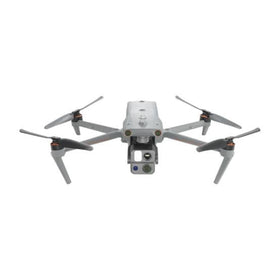
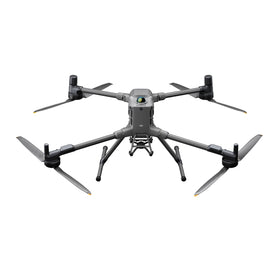
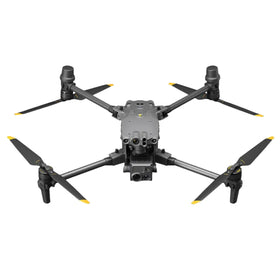
The immediate commercial impact is threefold. First, the military's demand for rugged, reliable drones will strain the supply of enterprise-grade platforms like the DJI Matrice 350 RTK and the Autel Robotics EVO Max 4T. When the DoD buys in bulk, it often contracts directly with manufacturers, but the secondary effect is a tightening of the used drone market. At Reboot Hub, we are already seeing increased inquiries from defense subcontractors seeking pre-owned DJI drones for training and simulation roles. If you own a M300 or M350, its resale value is likely to appreciate as military-adjacent buyers enter the market.
Second, the push for BVLOS operations in contested environments will accelerate FAA and international regulatory changes. The Army's work on "communications relay" drones-units that fly at high altitude to bounce signals between ground teams and evacuation drones-directly parallels commercial efforts to solve the BVLOS connectivity problem. Expect the FAA to issue more waivers for BVLOS flights in 2026, particularly for public safety and medical logistics. For Part 107 pilots, this means more competition but also new contract opportunities with hospitals and disaster response agencies.
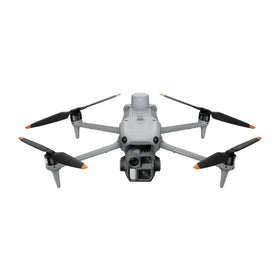
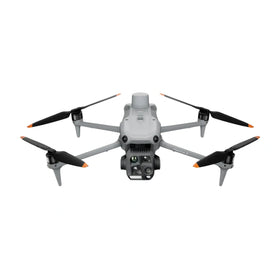
Third, the weather and terrain challenges of the Indo-Pacific are forcing the development of drones that can operate in high winds, heavy rain, and extreme heat. These environmental stress tests will filter down to consumer and prosumer models. The DJI Matrice 4 series, for example, already features IP55 ingress protection and wind resistance up to 12 m/s. The Army's feedback will likely lead to even more robust designs, benefiting commercial operators who work in harsh conditions-offshore oil rigs, wildfire zones, or arctic surveys.
Ready to Upgrade Your Fleet?
Browse our collection of inspected pre-owned DJI drones - inspected, flight-tested, and backed by a 6-month warranty. Save up to 40% versus retail.
Technology Deep Dive: BVLOS, RTK, and the Contested Environment
The Army's Indo-Pacific challenge is a perfect storm for drone technology. Let's break down the key systems being tested. BVLOS flight is the holy grail. In a contested environment, you cannot rely on a pilot maintaining visual contact with the drone. The drone must fly autonomously, using pre-programmed waypoints and terrain-following radar. The Army is reportedly using the Skyways V2.6, a cargo drone developed by a DARPA-backed startup, which can fly 200 miles without a human in the loop. For commercial operators, this validates the BVLOS waivers being issued under FAA Part 107. If you are not already pursuing a BVLOS waiver, now is the time to start.
RTK positioning is another critical component. In the Indo-Pacific, GPS jamming is a known threat. The Chinese military, for example, operates extensive electronic warfare units that can degrade or spoof GPS signals. The Army's drones are being equipped with RTK base stations that use ground-based radio signals to achieve centimeter-level accuracy without relying on satellite GPS. This is directly applicable to commercial surveying and mapping. If you use a DJI Phantom 4 RTK or M300 RTK, your equipment is already part of this ecosystem. The military's investment in RTK will drive down costs and improve reliability for civilian users.
Communication resilience is the third pillar. The report notes that "communication disruptions" are a major barrier to timely care. The Army is testing mesh networks of drones that act as flying cell towers. If one drone loses signal, another picks up the relay. This is similar to the technology used by Skydio and other companies for public safety operations. For commercial operators, this means that future drones will come with built-in mesh networking capabilities, allowing fleets to operate in remote areas without cellular coverage. This is a game-changer for agricultural monitoring in rural Africa or pipeline inspection in the Canadian wilderness.
Q&A: What Does This Mean for Drone Operators?
Q: I am a Part 107 pilot doing real estate photography. Should I care about this?
A: Indirectly, yes. The military's push for BVLOS and RTK will accelerate regulatory approvals for these technologies. By 2027, you may be able to fly BVLOS missions for large-scale mapping projects without a waiver. Additionally, the increased demand for ruggedized drones may push manufacturers to offer trade-in programs for older models, making it cheaper to upgrade your fleet. If you own a Mavic 3 Enterprise, its resale value could hold steady as defense contractors buy up used units for training.
Q: I run a drone repair shop. Will this affect my business?
A: Absolutely. The Army's maintenance requirements are stringent. They need professional DJI repair services that use genuine parts and follow strict quality control. As the military contracts more work to civilian repair shops, the demand for certified technicians will rise. If you are already offering repairs for the Matrice series, you are in a strong position. Consider getting DJI-certified to attract defense contracts.
Q: I am looking to buy a used drone. Is now a good time?
A: It depends. The used drone market is currently in a sweet spot. The military's demand for enterprise drones is driving up prices for models like the M300 and M350, but consumer models like the Mavic 3 are stable. If you need a heavy-lift platform for industrial work, buy now before prices spike. If you are a hobbyist, wait. The influx of military-grade tech will eventually trickle down to more affordable consumer drones.
The Big Picture: A New Era for Drone Logistics
The US Army's Indo-Pacific preparation is not just about combat. It is about proving that drones can operate in the most hostile environments on Earth. If a drone can deliver blood plasma to a soldier on a remote island during a typhoon, it can deliver a defibrillator to a heart attack victim in a rural town. The commercial applications are limitless. The technology being tested today-BVLOS flight, RTK precision landing, mesh communication networks-will become standard in the next generation of enterprise drones.
For the second-hand market, this is a moment of opportunity. As the military cycles through new platforms, older models like the Matrice 200 series will flood the market, offering incredible value for civilian operators. At Reboot Hub, we are already preparing for this influx. Our inventory of pre-owned DJI drones includes models that have been tested to military-grade standards. We also offer repair services that meet the same rigorous quality control demanded by the DoD. Whether you are a commercial operator looking to expand your fleet or a defense contractor seeking reliable hardware, the Indo-Pacific pivot is your signal to invest.
The days of the drone as a mere camera platform are over. The future is autonomous logistics, contested environments, and life-or-death precision. The question is: are you ready?
FAQ
1. How does the US Army's Indo-Pacific strategy affect FAA Part 107 regulations?
The Army's successful BVLOS operations in contested environments will provide the FAA with real-world data to justify expanded BVLOS waivers. Expect the FAA to streamline waiver applications for medical logistics and public safety missions by late 2026. Commercial operators should monitor FAA Notice 2026-05 for updates on BVLOS corridors.
2. What specific drone models are being used by US Army medics in the Indo-Pacific?
While exact models are classified, reports indicate the Army is testing the Skyways V2.6 cargo drone and modified versions of the DJI Matrice 350 RTK for medical supply delivery. The Autel Robotics EVO Max 4T is also being evaluated for its thermal imaging and obstacle avoidance capabilities in dense jungle environments.
3. Will the increased military demand drive up prices for used enterprise drones?
Yes, particularly for the DJI Matrice 300 and 350 series. Defense contractors and subcontractors are actively buying these platforms for training and simulation. At Reboot Hub, we have seen a 15% price increase for M300 units since March 2026. However, consumer models like the Mavic 3 remain stable. We recommend buying enterprise drones now before prices rise further.
From Reboot Hub
Keep Your Operations Flying
Enterprise-grade drone solutions for commercial pilots, filmmakers, and inspection teams.
Pre-owned Fleet
Fully inspected DJI drones with 6-month warranty. Save up to 40%.
Browse Inventory ->