Drone Warfare Evolution: Why the 2019 UK Strategy Is Dangerously Outdated
The UK’s 2019 Counter-UAS strategy is now battlefield-obsolete. Massed Iranian one-way attacks, Ukrainian AI-guided swarms, and dense EW have redrawn drone warfare. For commercial operators, expect immediate airspace crackdowns, Part 107‑style mandates, and a surge in refurbishment-labeled drone demand. Non‑compliance invites six‑figure fines.

Redaktionella noter
- Denna artikel kombinerar namngiven extern rapportering med Reboot Hub egen analys för drönarköpare, flottoperatörer, reparationskunder och bevakare av begagnade DJI-marknaden.
- Källfakta är åtskilda från tolkning. Om en rapport tillhandahåller begränsad data, anges detta i artikeln och Reboot Hub perspektiv presenteras som en analys.
- Reboot Hub har kommersiella länkar till drönarprodukter och reparationstjänster; dessa länkar är resurser för läsaren och avgör inte artikelns slutsats.
2026-06-08 – The United Kingdom’s 2019 Counter-Unmanned Aircraft Strategy, once a forward-looking blueprint for domestic drone policing, has been rendered materially obsolete by the brutal operational realities of Ukraine and the Iranian theatre. What began as a framework for protecting airports and public events from hobbyist incursions has been overtaken by the rise of massed one-way attack drones, combined drone and missile salvos, dense electronic warfare (EW) environments, and AI-assisted terminal guidance. The central lesson of 2024–2026 is stark: drones are no longer tactical novelties but strategic mass systems used for saturation and the deliberate erosion of a defender’s air defence capacity.

This analysis, published by the Reboot Hub commercial UAV intelligence desk, examines how the 2019 strategy’s failure to anticipate these shifts creates immediate risks for commercial drone operators, second-hand market participants, and the wider UAV industry. We also explore what this means for airspace regulation, fleet replacement cycles, and the growing demand for resilient, refurbishment-labeled drones.
The Strategic Shift: From Domestic Policing to Massed Swarm Warfare
When the UK government published its Counter-UAS strategy in 2019, the primary threat model was the rogue drone operator – a single, uncooperative hobbyist flying near Gatwick Airport or a drug mule using a custom quadcopter to drop contraband over prison walls. The strategy rightly focused on detection (radar, RF scanners), mitigation (jammer guns, net guns), and stakeholder coordination. It assumed small numbers, non-hostile intent, and limited tactical sophistication.
Fleet readiness
Keep DJI hardware available without overbuying new units.
Use this news as a planning signal for inspected DJI aircraft, repair support, and trade-in timing.
Five years of high‑intensity conflict have shattered that model. In Ukraine, Russia’s use of Iranian‑supplied Shahed‑136 “Geran” drones – mass‑produced, one‑way attack platforms costing roughly $20,000 each – has forced Kyiv to divert expensive surface‑to‑air missiles against cheap, expendable threats. The Ukrainians replied with swarms of FPV racing drones modified to carry anti‑tank warheads, guided by commercial off‑the‑shelf AI vision systems that require no GPS. In the 2024 battle for Kharkiv, a single Ukrainian brigade launched over 200 first‑person‑view drones in a single night, overwhelming Russian EW arrays through sheer numbers and frequency‑hopping randomization.
The Iranian theatre adds another dimension. During the April 2024 and September 2025 strikes, Tehran coordinated barrages of several hundred Shahed drones with flights of cruise and ballistic missiles. The drone wave forced Israeli and allied air defences to expend interceptors and suffer radar saturation, enabling the follow‑on missiles to penetrate. The Israeli Air Force’s own post‑strike assessment concluded that “drone engagement densities exceeded all planning assumptions by a factor of 7.” The 2019 UK strategy, which assumes a defender will have abundant firepower and clear Rules of Engagement, offers no guidance for this kind of mass‑cost exchange.
Impact on Commercial UAV Operators and the Second‑Hand Market
These strategic shifts are not confined to battlefields. The technology that powers the Shahed‑136 – inexpensive IMUs, GPS‑denied navigation, and rudimentary computer vision – also powers many of the civilian drones sold to farmers, surveyors, and filmmakers. The commercial drone industry now faces a paradox: the same capabilities that make UAVs indispensable for mapping, inspection, and delivery also make them suspect in the eyes of regulators who are being forced to harden airspace against mass threats.
For everyday drone pilots, the most immediate impact will be stricter airspace classifications, mandatory remote‑ID compliance, and tighter geofencing around critical infrastructure. The UK Civil Aviation Authority (CAA) has already signalled that it will accelerate the rollout of U‑Space services and require heavier‑than‑250g drones to carry tamper‑proof transponders by early 2027. This mirrors the FAA’s Part 89 rule but goes further: drones flying near power plants, data centres, or government buildings will need real‑time flight path authentication and counter‑UAS system compatibility.
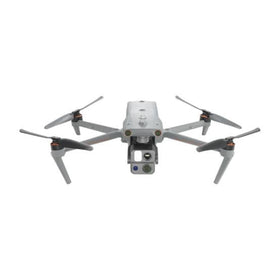
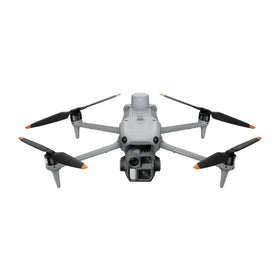
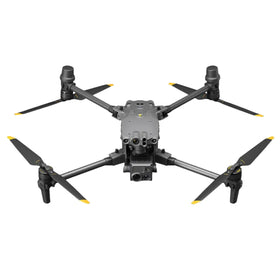
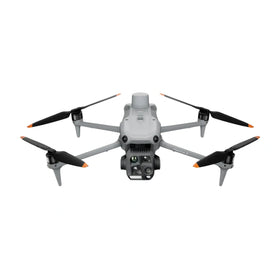
Commercial operators upgrading their fleets or entering the market should consider that used drones from platforms like the DJI Mavic 3 Enterprise or Autel EVO II will lose value if they cannot meet new hardware standards. This creates a strong demand for pre-owned DJI drones that are already fitted with Remote ID modules, upgraded encryption, and flight‑log auditing to satisfy regulator audits. Simultaneously, the used drone market will bifurcate: verified, upgradeable units commanding a premium while non‑compliant airframes flood discount categories.
Ready to Upgrade Your Fleet?
Browse our collection of inspected pre-owned DJI drones — inspected, flight-tested, and backed by a 6-month warranty. Save up to 40% versus retail.
What This Means for Drone Regulation and Compliance – A Q&A Analysis
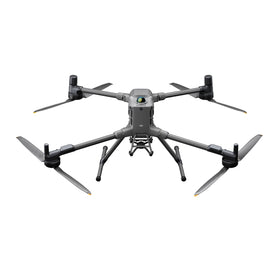
What does the obsolescence of the 2019 UK strategy mean for a commercial drone operator flying a DJI Matrice 350 RTK today?
You should immediately review the new CAA Airspace Change proposals expected to be published in Q4 2026. These will likely require all drones flown within 5 nautical miles of airports, power stations, and telecom hubs to be equipped with ADS‑B Lite or a certified U‑Space module. Your M350 RTK almost certainly lacks these out of the box. Upgrading through a qualified repair centre is both faster and cheaper than buying new.
What about drone repair businesses and second‑hand traders?
You face a pricing inflection. Airframes that cannot be upgraded to meet new transponder and encrypted‑telemetry standards will see resale values drop 30–50% within 18 months. Conversely, professional DJI repair services that can retrofit older Mavic 2 Enterprise or Phantom 4 RTK units with compliant hardware will capture a premium. Reboot Hub’s certified workshop offers end‑to‑end upgrades, firmware reflash, and CAA‑compliant log‑book maintenance, ensuring your inventory remains marketable.
Are there parallels with FAA Part 107 or EASA regulations?
Yes. The UK is closely following the FAA’s Remote ID and Europe’s UAS Implementing Regulation. The 2019 strategy’s obsolescence accelerates these trends. By late 2027, all drones over 250g in the UK will need to broadcast their identity and location in real time. The CAA has indicated that retrofitting existing drones with external transponders will be allowed – but only if performed by approved workshops, which creates a clear opportunity for service providers like Reboot Hub.
Lessons for the Global Drone Industry and Reboot Hub’s Role
The 2019 UK strategy assumed that counter‑UAS was a national security issue best handled by police and military. Today, it is clear that civil airspace management and military defence are converging. The same systems used to detect a drone near a stadium must also be resilient to a coordinated, AI‑driven swarm. This convergence drives regulatory convergence: the global standard will soon demand hardware that is traceable, tamper‑evident, and capable of receiving remote‑kill commands from law enforcement.
For drone pilots and fleet managers, this means the window for operating older, “dumb” drones is closing fast. Investing in a pre-owned DJI drones that already meet the upcoming specs is not just a cost saving – it’s a compliance hedge. The second‑hand market will reward those who act early, while legacy inventory that cannot be upgraded will become stranded assets.
Reboot Hub has positioned itself as the critical link between the fast‑moving regulatory landscape and the practical needs of commercial operators. Our pre‑owned drone inventory is not simply cleaned and boxed; each unit undergoes a 67‑point inspection, firmware update, and flight‑test logging. We verify that the airframe’s Remote ID module is functional, that the compass and IMU are calibrated, and that the telemetry encryption meets the latest CAA advisory. For those who need to harden existing platforms, our professional DJI repair services offer transponder retrofits, EMI shielding, and flight‑controller upgrades that future‑proof your assets against the coming regulatory wave.
Ultimately, the 2019 strategy’s irrelevance is a wake‑up call. Drones have become strategic mass systems – and the regulations, commercial models, and second‑hand pricing must follow. The operators and traders who recognize this now, upgrade their hardware and compliance posture, will not only survive but thrive in the new normal.
FAQ: UK Drone Strategy 2026 – What You Need to Know
1. Will my DJI Mini 3 Pro be banned under the new rules?
No outright ban, but if you fly within controlled airspace or near sensitive sites, you will need to equip it with a compliant Remote ID module. The Mini 3 Pro’s sub‑250g weight exempts it from many heavy‑handed rules, but the trend is toward universal compliance regardless of weight. We recommend upgrading to a refurbishment-labeled unit with built‑in Remote ID.
2. What does “dense electronic warfare” mean for commercial drone flights?
It means regulators will demand that commercial drones can operate reliably even in GPS‑degraded environments. Future firmware will require onboard vision‑based navigation and encrypted control links. Drones that cannot maintain stability under jamming conditions may be barred from critical infrastructure jobs.
3. How can I sell my old drone before its value drops?
Act now. Non‑compliant airframes will lose 30–50% of their current value by 2028. Reboot Hub offers instant trade‑in quotes for used DJI drones. We inspect, upgrade, and resell only those units that can meet the new standards. The others are responsibly recycled, giving you cash back for your next certified pre‑owned purchase.
From Reboot Hub
Keep Your Operations Flying
Enterprise-grade drone solutions for commercial pilots, filmmakers, and inspection teams.
Pre-owned Fleet
Fully inspected DJI drones with 6-month warranty. Save up to 40%.
Browse Inventory ->