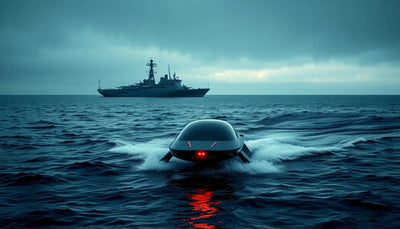
Drone Strike on Russia-Linked Cargo Ship Sparta II Raises Maritime Security Stakes
A drone attack on the Russia-linked cargo ship Sparta II in the Gulf of Finland shows how unmanned systems are reshaping maritime security. Commercial operators, fleet buyers, and repair customers should track how these incidents influence drone demand, regulation, and pre-owned DJI market conditions.

Quick answer
Drones struck the Russia-linked cargo ship Sparta II in the Gulf of Finland on November 21, 2026, according to DroneXL.co, and Finland's military said Ukraine likely carried out the attack.
- The Sparta II caught fire after the drone strike and its 16 crew members were evacuated
- Finland's military assessed that Ukraine likely launched the attack
- The fire was still burning as of the DroneXL.co report on November 22
- The incident highlights growing use of unmanned systems against maritime targets in the Baltic region
Evidence: DroneXL.co · AeroVironment unmanned systems solutions · FAA UAS official guidance
Fleet readiness
Keep DJI hardware available without overbuying new units.
Use defense and fleet news as a planning signal for repair support, inspected pre-owned aircraft, and replacement timing.

Verified facts
What the available evidence confirms
| Fact | Detail |
|---|---|
| Vessel | Sparta II, Russia-linked military cargo ship |
| Location | Gulf of Finland |
| Date of strike | November 21, 2026 |
| Crew status | 16 crew members evacuated |
| Likely actor | Ukraine, according to Finland's military assessment |
| Fire status | Still burning as of November 22, 2026 report |
Drones struck the Russia-linked cargo ship Sparta II in the Gulf of Finland on November 21, 2026, setting the vessel on fire and forcing the evacuation of its 16 crew members. The incident was reported by DroneXL.co on November 22, and Finland's military has assessed that Ukraine likely carried out the attack. The fire was still burning at the time of the report, underscoring the difficulty of containing damage to a large commercial vessel after an unmanned aerial strike.
The attack marks another escalation in the use of drones against maritime targets in the Baltic region. For commercial drone operators, fleet buyers, and repair customers, the event is not a distant military footnote. It sits inside a broader pattern of unmanned systems being tested in contested environments, and those tests eventually shape the hardware, software, and regulatory frameworks that filter into civilian and enterprise markets.
What the Sparta II incident tells us about drone capabilities
According to DroneXL.co, the Sparta II was hit in the Gulf of Finland, a heavily trafficked maritime corridor that connects Russia's St. Petersburg port to the Baltic Sea. The vessel is described as a Russia-linked military cargo ship, which places it in the category of logistics assets that armed forces rely on for resupply and equipment movement. The fact that drones were able to locate and strike such a vessel in open water points to the growing maturity of long-range unmanned systems and their targeting loops.
Finland's military assessment that Ukraine likely carried out the attack is significant because it suggests the strike was not a random act of maritime sabotage. It appears to have been a deliberate operation against a specific vessel with military logistics value. For commercial operators, the operational lesson is clear: drones are no longer limited to short-range, line-of-sight missions. They are being used to project force across significant distances, in complex maritime environments, and against moving targets.
The fire that continued to burn after the crew was evacuated also highlights a practical challenge. Maritime drone strikes can create secondary hazards that persist long after the initial impact. Cargo, fuel, and onboard materials can sustain fires for hours or days. This has implications for emergency response planning, insurance underwriting, and port security protocols in regions where drone threats are elevated.
Maritime security demand and the commercial drone supply chain
Reboot Hub analysis: The Sparta II strike is likely to accelerate investment in counter-drone and maritime surveillance capabilities around the Baltic Sea and beyond. Ports, shipping companies, and coastal defense agencies are already evaluating drone detection systems, and incidents like this tend to move those evaluations from pilot programs to procurement. That creates demand for sensors, radar systems, and unmanned aerial platforms that can patrol coastal infrastructure and monitor vessel traffic.
For commercial drone operators, this is a demand signal. Security-focused drone work, including port monitoring, coastal patrol, and infrastructure inspection, may see increased contract activity in Northern Europe. Operators who already hold certifications for beyond visual line of sight operations or who have experience in maritime environments could be positioned to capture some of that work. The key constraint will be regulatory approval, which often lags behind operational need.
The pre-owned DJI market also feels these shifts indirectly. When defense and security budgets rise, enterprise drone procurement often follows. That can tighten the supply of new units and push some buyers toward inspected pre-owned options. Fleet managers who need additional airframes for mapping, inspection, or security support may look to the secondary market to fill gaps quickly. The Sparta II incident does not change DJI pricing overnight, but it adds to a security climate that keeps commercial drone demand elevated.
What this means for drone owners and the market
For drone owners and fleet managers, the Sparta II strike is a reminder that unmanned systems are now central to modern conflict and security operations. That centrality has commercial consequences. It drives research and development spending, accelerates sensor and autonomy improvements, and pushes regulators to clarify where and how drones can operate. Buyers who pay attention to defense and security news can anticipate which capabilities will migrate into commercial platforms over the next 12 to 24 months.
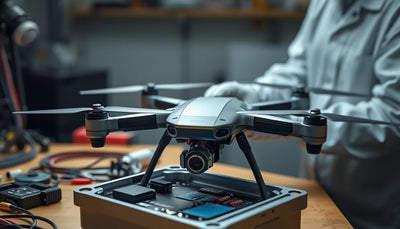
Repair and maintenance demand is another area to watch. Drones used in maritime and security roles operate in harsh conditions: salt spray, high winds, and long flight hours. That wear translates into more frequent component replacement, battery cycling, and gimbal or sensor repairs. Operators who run mixed fleets should plan for higher maintenance costs if they expand into coastal or port security work. For those managing pre-owned DJI drones, access to genuine OEM spare parts becomes more important as duty cycles increase. Reboot Hub maintains a Drone Wiki that can help operators understand repair considerations and component availability for DJI platforms used in demanding environments. For owners evaluating service and lifecycle risk, Drone Wiki explains the relevant repair, parts, resale, or operational path.
Reboot Hub analysis: One practical step for buyers and fleet managers is to review their current airframe inventory against the types of missions that security-related demand might create. If port monitoring or coastal patrol opportunities emerge in your region, you may need drones with longer flight times, better wind resistance, and thermal or zoom payloads. That does not mean rushing to buy new hardware immediately. It means assessing whether your existing fleet can handle those mission profiles or whether a staged upgrade through the pre-owned market makes more sense.
The incident also raises questions about airspace restrictions and maritime no-fly zones. After a drone strike on a commercial vessel, coastal states often tighten temporary flight restrictions around ports and shipping lanes. Operators who fly near maritime infrastructure should monitor NOTAMs and local aviation authority notices more closely. A single security incident can close airspace quickly, and commercial operators need contingency plans for grounded operations.
Regulatory and insurance implications for commercial operators
The Sparta II strike will likely feed into ongoing discussions about drone regulation in Europe. The European Union Aviation Safety Agency and national authorities have been working through rules for drone operations in higher-risk environments, including maritime zones. Incidents that demonstrate the destructive potential of unmanned systems tend to harden regulatory positions, especially around remote identification, tracking, and operator accountability.
Insurance is another area where operators may feel the effects. Maritime drone operations already carry elevated risk profiles, and insurers may adjust premiums or coverage terms for flights near ports, shipping lanes, or sensitive coastal infrastructure. Operators who can document robust safety protocols, maintenance records, and pilot training may be better positioned to negotiate favorable terms. Those who fly older or heavily used airframes without clear maintenance histories may face more scrutiny.
Reboot Hub analysis: For repair customers, the message is straightforward: keep your documentation in order. Logs that show regular inspections, genuine OEM-pulled parts, and battery health checks can support insurance claims and resale value. As drone use expands into security-sensitive roles, buyers and insurers are paying more attention to the provenance and condition of airframes. A well-documented pre-owned DJI drone with a clean maintenance history is likely to hold value better than one with gaps in its service record.
The Sparta II incident is a single event, but it sits inside a larger trend. Drones are becoming a standard tool for both offensive and defensive maritime operations. That trend will continue to shape the commercial market, from the types of drones that sell to the regulations that govern them and the repair networks that keep them flying.
FAQ
Frequently asked questions
Was the Sparta II drone strike confirmed by an official source?
According to DroneXL.co, Finland's military assessed that Ukraine likely carried out the drone strike on the Sparta II. The report did not include a separate official confirmation from another agency or government body.
How does a maritime drone strike affect commercial drone operators?
Maritime security incidents can lead to increased demand for coastal surveillance and port monitoring drone services. They can also trigger temporary airspace restrictions and influence insurance terms for operators flying near ports or shipping lanes.
Should drone buyers change their purchasing plans after this incident?
Buyers should monitor how security demand shifts in their region. If port or coastal monitoring contracts expand, operators may need airframes with longer endurance and better wind handling. The pre-owned DJI market can offer a flexible way to add capacity without committing to full-price new units.
Which sources support this update?
The visible evidence links identify DroneXL.co and AeroVironment unmanned systems solutions and FAA UAS official guidance; each source is used only for the claim it directly supports.
What remains subject to change?
Retail pricing, availability, product bundles and regulatory timelines can change. Readers should verify the latest terms with the named retailer, manufacturer or regulator before acting.
How should buyers or operators use this analysis?
Use the verified facts as a starting point, then compare mission fit, lifecycle support, maintenance needs and current procurement terms before making a purchase or fleet decision.
Konsulterade källor
- DroneXL.co - primary source
- AeroVironment unmanned systems solutions - official company source
- FAA UAS official guidance - official regulator source
Reboot Hub Editorial tillför analys gällande köp, reparation, andrahandsvärde och drift för drönarägare. Om du upptäcker ett fel, kontakta oss för granskning av rättelse via vår redaktionella policy.