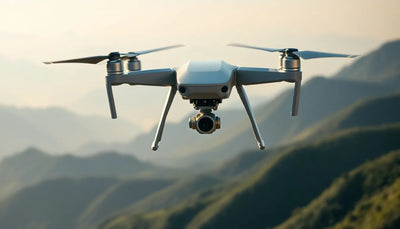
DJI Product Sells Out After 4.3 Million Units, Signaling Strong Demand
DJI has another product selling out after reportedly reaching 4.3 million units sold, according to Chinese e-commerce reporting. The development points to sustained consumer and commercial demand for DJI hardware, with implications for inventory, repair pipelines, and pre-owned market pricing.

Quick answer
DJI has another product selling out after reportedly reaching 4.3 million units sold, according to Chinese e-commerce reporting from E-commerce Faction.
- The report indicates strong ongoing demand for DJI hardware in the Chinese e-commerce channel.
- Sell-out conditions can tighten retail availability and shift buyers toward pre-owned or repaired units.
- Fleet operators may need to plan procurement earlier when popular DJI models face inventory pressure.
- Repair demand for in-service DJI units can rise when replacement stock is harder to source quickly.
Verified facts
DJI buying context
Match product news to hardware you can actually deploy.
Check inspected DJI aircraft, repair support, and trade-in timing before deciding whether to upgrade, repair, or wait.

What the available evidence confirms
| Reported metric | Value | Source |
|---|---|---|
| Units sold | 4.3 million | E-commerce Faction via Google News RSS |
| Market status | Selling out | E-commerce Faction via Google News RSS |
| Reporting region | China | E-commerce Faction via Google News RSS |
A fresh report from Chinese e-commerce outlet E-commerce Faction indicates that DJI has another product selling out after reaching 4.3 million units sold. The development, carried through Google News RSS, is a demand signal rather than a formal DJI disclosure, but it fits a broader pattern of DJI hardware moving quickly through retail channels in China and beyond.
For commercial drone buyers, fleet operators, and repair customers, a sell-out event is rarely just a consumer retail story. It can translate into longer wait times for new units, tighter availability of OEM spare parts, and a shift in buyer behavior toward inspected pre-owned DJI drones or professional repair services when replacement hardware is not immediately available.
What the source actually reports
The primary reporting comes from E-commerce Faction, a China-based e-commerce publication. The report states that DJI has another product selling out, with 4.3 million units sold. The source does not identify the specific DJI model, product category, launch window, or sales period in the material available for this analysis.
Because the report is source-limited, Reboot Hub is not treating the 4.3 million figure as an official DJI sales disclosure. It is an e-commerce channel observation. Still, the number is commercially meaningful: a DJI product line moving millions of units while selling out suggests that production and channel allocation are being tested by demand, not by weak interest.
Operationally, that matters. When a popular DJI product sells out, buyers often face one of three paths: wait for restock, pay a premium on secondary markets, or keep existing hardware in service longer through repair and parts replacement. Each path has different cost and downtime implications for commercial users.
Why sell-out events shape repair and parts demand
Reboot Hub analysis: A sell-out condition does not only affect people trying to buy a new unit. It also affects people who already own the product. When retail stock is thin, operators are more likely to repair a damaged unit rather than replace it. That increases demand for genuine OEM spare parts, professional DJI repair, and faster turnaround on service work.
Fleet managers should read this as a planning signal. If a popular DJI platform is selling out in a major e-commerce market, the same model may face regional allocation delays elsewhere. Procurement teams that normally order replacement aircraft on short notice may need to extend their planning horizon or evaluate inspected pre-owned units as a bridge supply option.
The source does not provide repair channel data, spare parts inventory figures, or service lead times. Those would require separate verification. But the commercial logic is straightforward: when new-unit availability tightens, the installed base becomes more valuable, and keeping it operational becomes a higher priority. For owners evaluating service and lifecycle risk, Drone Wiki explains the relevant repair, parts, resale, or operational path.
What this means for drone owners and the market
For individual drone owners, a sell-out event is a reminder that popular DJI hardware can move from readily available to backordered quickly. If a buyer is waiting for a specific model, the practical step is to confirm channel availability before committing to a project timeline. For operators who already own the affected product class, the priority shifts to maintenance, spare parts access, and repair readiness.
The pre-owned DJI market tends to respond to these conditions. When new stock is scarce, demand for pristine pre-owned units often rises, and pricing can firm up. Buyers who need a unit immediately may find that an inspected pre-owned DJI drone is a faster path to operational readiness than waiting for a restock. For those evaluating their options, the Reboot Hub Drone Wiki provides reference material on DJI platforms and ownership considerations.
Reboot Hub analysis: the 4.3 million unit figure, if it reflects a single product family, would represent a substantial installed base. Even if it spans multiple SKUs or accessories, the sell-out condition still points to channel demand outpacing near-term supply. That is a meaningful signal for anyone managing drone procurement, repair, or resale decisions.
What should a buyer, pilot, or fleet manager do differently after reading this? The most practical response is to treat popular DJI hardware as potentially supply-constrained and to build a small buffer into procurement and repair planning. That may mean ordering spare parts earlier, scheduling preventive maintenance before peak operating periods, or lining up a pre-owned fallback option for critical fleet roles.
The wider commercial picture
DJI remains the dominant supplier in the consumer and commercial drone market, and sell-out reports from China are consistent with strong global demand for its hardware. The source does not provide regional sales breakdowns, official shipment data, or DJI commentary, so the analysis here is limited to what the e-commerce report supports.
For the repair and support market, sustained DJI sales volume is a long-term positive. More units sold today means a larger installed base requiring batteries, propellers, gimbal service, sensor calibration, and eventual resale or trade-in. The second-hand market for DJI equipment benefits from this scale, as a deep pool of units creates steady supply for inspected pre-owned sales and OEM-pulled parts.
The report also underscores a recurring theme in the drone industry: demand signals from China often appear before Western buyers feel the same inventory pressure. Operators in North America and Europe who track DJI product availability should watch these channel reports as an early indicator of potential allocation shifts.
FAQ
Frequently asked questions
Does the source identify which DJI product sold out?
No. The available source material from E-commerce Faction does not name the specific DJI model or product category. It only reports that DJI has another product selling out, with 4.3 million units sold.
Is 4.3 million units an official DJI sales figure?
The 4.3 million unit figure comes from Chinese e-commerce reporting, not from an official DJI disclosure. Reboot Hub treats it as a source-limited channel observation rather than a confirmed corporate sales metric.
How should fleet operators respond to a DJI sell-out?
Fleet operators should confirm channel availability early, order spare parts before peak operating periods, and consider inspected pre-owned DJI units as a bridge supply option when new stock is backordered.
Which sources support this update?
The article distinguishes reported information from analysis and does not present an unverified source as official confirmation.
What remains subject to change?
Retail pricing, availability, product bundles and regulatory timelines can change. Readers should verify the latest terms with the named retailer, manufacturer or regulator before acting.
How should buyers or operators use this analysis?
Use the verified facts as a starting point, then compare mission fit, lifecycle support, maintenance needs and current procurement terms before making a purchase or fleet decision.
Konsulterade källor
- Source material - primary source
Ytterligare officiell dokumentation var inte tillgänglig vid publiceringstillfället.
Reboot Hub Editorial tillför analys gällande köp, reparation, andrahandsvärde och drift för drönarägare. Om du upptäcker ett fel, kontakta oss för granskning av rättelse via vår redaktionella policy.