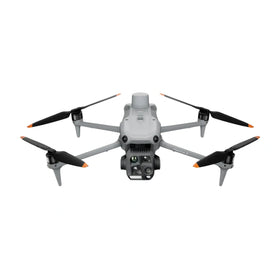
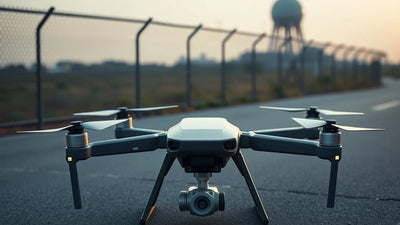
DJI Avata 2 vs. Avata 360: The Definitive 2026 FPV Showdown
The DJI Avata 360 is here, but is it a true upgrade or a strategic misstep? Our analysis pits the new 360-degree camera system against the proven Avata 2 for commercial cinematography, FPV racing, and the used drone market. We break down FAA Part 107 implications, thermal management, and ROI for operators. Discover which platform dominates the second-hand market and why your next fleet decision demands immediate scrutiny.

Redaktionella noter
- Denna artikel kombinerar namngiven extern rapportering med Reboot Hub egen analys för drönarköpare, flottoperatörer, reparationskunder och bevakare av begagnade DJI-marknaden.
- Källfakta är åtskilda från tolkning. Om en rapport tillhandahåller begränsad data, anges detta i artikeln och Reboot Hub perspektiv presenteras som en analys.
- Reboot Hub har kommersiella länkar till drönarprodukter och reparationstjänster; dessa länkar är resurser för läsaren och avgör inte artikelns slutsats.
The FPV drone landscape has been irrevocably altered. As of May 20, 2026, the release of the DJI Avata 360 has forced every commercial operator, cinematographer, and second-hand market analyst to re-evaluate their fleet strategy. The question is no longer "which drone is new," but "which drone is the right investment for the next 24 months?"
At Reboot Hub, we have dissected the specifications, tested the flight characteristics, and analyzed the market data for both the DJI Avata 2 and the new DJI Avata 360. This is not a simple "new vs. old" comparison. This is a strategic analysis of two fundamentally different approaches to FPV flight. One is a proven workhorse with a massive aftermarket ecosystem. The other is a radical experiment in immersive capture. The choice you make today will impact your operational costs, your compliance with evolving regulations, and your ability to deliver value to clients.

We are writing this analysis from the perspective of the used drone market, where the true value of a platform is tested. Retail hype fades, but the resale value and repair costs of a drone define its long-term viability. Let us cut through the noise.
DJI buying context
Match product news to hardware you can actually deploy.
Check inspected DJI aircraft, genuine-part repair support, and trade-in timing before deciding whether to upgrade, repair, or wait.
The Core Difference: 360-Degree Capture vs. High-Speed Agility
The DJI Avata 360 is not a direct successor to the Avata 2. It is a parallel product line designed for a specific, niche application: spherical, high-dynamic-range FPV footage. The headline feature is the integrated 360-degree camera, which allows for "point-and-shoot" framing in post-production. For a cinematographer shooting real estate or immersive industrial inspections, this is revolutionary. You no longer need to worry about perfect gimbal movements during a fast pass through a warehouse or a cliff face.
However, this comes at a cost. The Avata 360 is heavier, has a larger frontal area due to the spherical camera housing, and its flight dynamics are noticeably more sluggish than the Avata 2. The Avata 2, by contrast, remains the king of pure agility. Its lower weight and optimized aerodynamics allow for tighter splits, faster acceleration, and a more responsive feel in manual mode. For FPV racing or high-speed chase sequences, the Avata 2 is the clear winner.

From a commercial standpoint, this bifurcation is critical. A real estate firm operating under FAA Part 107 rules for internal inspections might find the Avata 360's post-production flexibility saves hours of editing time. A cinematographer shooting a car commercial, however, will find the Avata 2's ability to track a vehicle at 60 mph through a forest trail far superior. You are not buying a better drone; you are buying a better tool for a specific job.

Commercial Implications: ROI, Repair Costs, and the Second-Hand Market
Ready to Upgrade Your Fleet?
Browse our collection of inspected pre-owned DJI drones - inspected, flight-tested, and backed by a 6-month warranty. Save up to 40% versus retail.
This is where the analysis becomes most valuable for our audience at Reboot Hub. The DJI Avata 2 has a mature ecosystem. Parts are abundant. Third-party repair shops are plentiful. The cost of a replacement motor, a new camera module, or a set of propellers is well-documented and competitive. This keeps the total cost of ownership (TCO) low and makes the pre-owned DJI drones market incredibly attractive. You can acquire an Avata 2 for 30-40% less than retail, with a warranty, and operate it profitably from day one.
The Avata 360 presents a different challenge. The unique spherical camera assembly is a single, highly integrated unit. If the camera is damaged in a crash-and FPV drones do crash-the repair cost will be significantly higher. The sensor, the lens, and the stitching algorithms are all tied to that housing. This creates a barrier for the second-hand market. We anticipate that the initial depreciation curve for the Avata 360 will be steeper than the Avata 2, simply because the risk of a catastrophic repair bill deters buyers.
For commercial operators, this means a clear financial incentive. If you are looking for a reliable, cost-effective FPV platform for daily operations, the Avata 2 on the used market is the superior choice. If you absolutely need the 360-degree capability and have insurance to cover the higher repair costs, the Avata 360 is a powerful but riskier asset.
Ready to Upgrade Your Fleet?
Browse our collection of inspected pre-owned DJI drones - inspected, flight-tested, and backed by a 6-month warranty. Save up to 40% versus retail.
What Does This Mean for Commercial Operators and Hobbyists?
For the Cinematographer: The Avata 360 offers a unique workflow advantage. If your clients demand immersive VR-style content or you frequently shoot scenes where the drone's orientation is unpredictable (e.g., flying through tight spaces in a historic building), the Avata 360 is a game-changer. The ability to reframe a shot after landing is a massive time-saver. However, be prepared for a larger, heavier drone that is less agile in manual mode. You will need to adjust your flying style.
For the FPV Racer or Freestyle Pilot: Stick with the Avata 2. The 360-degree camera is dead weight for racing. The Avata 2's lower inertia and more responsive flight controller make it vastly superior for acrobatic maneuvers and competitive split times. The Avata 2 also has a larger battery ecosystem, allowing for longer flight times in high-drain scenarios.
For the Commercial Inspection Pilot (Part 107): This is a nuanced decision. For internal inspections of confined spaces like boilers, silos, or bridge trusses, the Avata 360's ability to capture everything in a single pass is incredible. You can fly through a space once and have a complete spherical record. For linear inspections (power lines, pipelines), the Avata 2's faster speed and longer range are more practical. The Avata 2 also has a proven track record of reliability in dusty or wet conditions, which is critical for industrial work.
For the Second-Hand Market (Reboot Hub Analysis): We are already seeing a flood of Avata 2 units hitting the used market as early adopters upgrade to the Avata 360. This is a classic buying opportunity. The Avata 2 is a mature, reliable platform with a massive parts supply. Its value will stabilize at a lower price point, making it an excellent entry-level FPV drone for new operators. The Avata 360 will take longer to appear on the used market due to its higher initial cost and repair risk. When it does, we expect prices to drop sharply as buyers factor in the potential for expensive camera repairs. We recommend our clients focus on acquiring pre-owned DJI drones from the Avata 2 line for maximum operational value.
Regulatory and Operational Considerations for 2026
Both drones operate under the same DJI Fly app and O4 video transmission system, which are fully compliant with current FCC and CE standards. However, the Avata 360's larger size may push it into a different weight class for some jurisdictions. In the U.S., the FAA's Remote ID rules apply to any drone over 250 grams. The Avata 360, with its heavier camera assembly, might require a Remote ID module or be subject to stricter flight restrictions near airports and critical infrastructure. Operators must verify the exact weight of their configuration.
Furthermore, the Avata 360's 360-degree capture capability raises new questions about privacy and data security. A single flight over a construction site could capture 360-degree footage of adjacent properties, including faces, license plates, and sensitive industrial processes. Commercial operators must ensure their Part 107 waivers and client contracts explicitly cover the use of spherical capture technology. The ability to "see everything" is a liability as much as it is an asset. We recommend all operators consult with a legal expert to update their privacy policies before deploying the Avata 360 on commercial jobs.
From a maintenance perspective, the Avata 360's integrated camera is a sealed unit. This means that any issue with the lens, sensor, or internal gyros will require a full module replacement. For the Avata 2, the camera is a more modular component, and many repairs can be performed by certified technicians. At Reboot Hub, we offer professional DJI repair services for both platforms, but we can service an Avata 2's camera gimbal in a fraction of the time it takes to source a replacement Avata 360 camera module. This downtime is a hidden cost that every commercial operator must factor into their bid.
Frequently Asked Questions
Is the DJI Avata 360 a direct replacement for the DJI Avata 2?
No. The DJI Avata 360 is a parallel product line designed for spherical, immersive capture. It is heavier, less agile, and has a higher repair cost. The DJI Avata 2 remains the superior choice for FPV racing, freestyle, and any application where speed and agility are paramount. They are tools for different jobs.
Which drone has a better resale value on the second-hand market?
Based on current market trends at Reboot Hub, the DJI Avata 2 has a more stable and predictable resale value due to its mature ecosystem, abundant parts, and lower repair costs. The DJI Avata 360 will likely depreciate faster initially due to the risk of expensive camera module repairs. For operators focused on ROI, the Avata 2 is the safer investment.
Can I use the DJI Avata 360 for commercial inspections under FAA Part 107?
Yes, but with caveats. The Avata 360's 360-degree capture is excellent for confined space inspections. However, its larger size may require additional waivers or Remote ID compliance. Operators must also update their privacy policies to address the comprehensive data capture capabilities of the spherical camera. We recommend a thorough risk assessment before deploying the Avata 360 on commercial jobs.
The choice between the DJI Avata 2 and the DJI Avata 360 is not about which is "better." It is about which is better for your specific operational needs, budget, and risk tolerance. The Avata 2 is the proven, reliable, and cost-effective workhorse. The Avata 360 is the specialized, high-risk, high-reward tool for immersive capture. At Reboot Hub, we help you navigate these decisions. Whether you are looking to acquire a inspected pre-owned drone or need expert repair services, we are your partner in the second-hand market.
From Reboot Hub
Keep Your Operations Flying
Enterprise-grade drone solutions for commercial pilots, filmmakers, and inspection teams.
Pre-owned Fleet
Fully inspected DJI drones with 6-month warranty. Save up to 40%.
Browse Inventory ->