AirSight Software Tracks Drones in Georgia Prison Smuggling Case
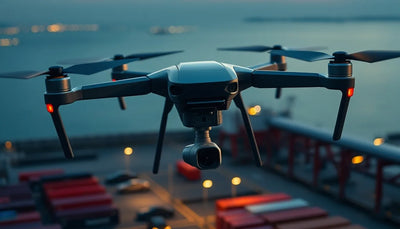
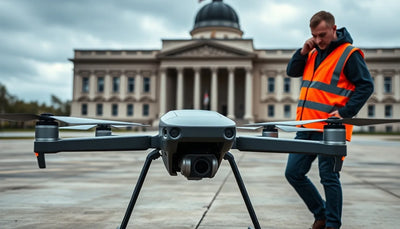
A Georgia prison smuggling indictment has drawn fresh attention to AirSight software designed to see, track, and identify drones. The case highlights how counter-UAS tools are becoming part of correctional security planning and why commercial operators should understand the detection landscape.

Quick answer
DRONELIFE reported that AirSight provides software to see, track, and identify drones, with attention drawn by a Georgia prison smuggling indictment unsealed earlier this year.
- Federal prosecutors in the Middle District of Georgia charged 12 people in an alleged drone contraband smuggling scheme.
- The indictment describes a years-long plot to fly drones into state prisons.
- AirSight's software is positioned as a tool for detecting, tracking, and identifying drone activity.
- The case highlights growing correctional and security demand for counter-UAS monitoring.
Evidence: DRONELIFE · FAA UAS official guidance
Operator checklist
Turn policy news into a safer fleet decision.
Before changing aircraft, compare repair paths, available DJI inventory, and trade-in timing against the rule change.

Earlier this year, federal prosecutors in Georgia unsealed an indictment that charged 12 people in connection with an alleged years-long scheme to use drones to smuggle contraband into state prisons. According to reporting by DRONELIFE, the case centers on a coordinated effort to fly six drones into correctional facilities, and it has drawn renewed attention to the software tools that facilities and security teams are using to detect and track unauthorized drone activity.
The reporting, published by DRONELIFE on November 10, 2026, identifies AirSight as a provider of software designed to see, track, and identify drones. While the source material does not confirm that AirSight software was directly deployed in the Georgia case, the indictment has become a reference point for understanding why correctional institutions and security operators are increasingly evaluating counter-UAS monitoring systems. For commercial drone operators, the case is a reminder that detection infrastructure is expanding in sensitive airspace, and that unauthorized flights near restricted facilities carry serious legal exposure.
What the Georgia indictment reveals about drone smuggling risk
The DRONELIFE report describes an alleged plot that federal officials say spanned multiple years and involved a group of defendants working to fly drones into Georgia prisons. The U.S. Attorney's Office for the Middle District of Georgia unsealed the indictment in June, according to the source. The charges underscore a persistent operational challenge for correctional facilities: drones can be used to deliver phones, drugs, weapons, and other prohibited items across secure perimeters without a person ever setting foot on the property.
For commercial pilots and fleet managers, the case matters for two reasons. First, it shows that law enforcement and prosecutors are treating drone-based smuggling as a serious, organized criminal activity rather than an isolated nuisance. Second, it reinforces that airspace above prisons, jails, and other critical infrastructure is under growing scrutiny. Operators who fly near these locations without authorization, even unintentionally, may find themselves facing questions from facility security teams or law enforcement. The practical takeaway is to verify airspace restrictions and maintain clear flight logs before operating anywhere near correctional or other sensitive sites.
How detection software fits into counter-UAS planning
AirSight's software, as described in the DRONELIFE reporting, is built around the core functions of seeing, tracking, and identifying drones. That capability set is central to how security teams respond to unauthorized flights. Detection alone is not enough; operators need to know where a drone is, where it has been, and what type of platform it is before deciding whether to intercept, investigate, or simply document the event.
The reporting does not provide technical specifications, range figures, or compatibility details for AirSight's platform. Reboot Hub analysis is therefore limited to what the source confirms: the software exists, it is marketed for drone detection and tracking, and it is being discussed in the context of a high-profile prison smuggling case. For commercial operators, the broader implication is that detection systems are becoming more common at facilities that previously had little or no airspace monitoring. This shift may affect flight planning near prisons, government buildings, energy sites, and other restricted areas, even when those restrictions are not always obvious on consumer drone apps.
What this means for drone owners and the market
The expansion of counter-UAS monitoring has direct consequences for drone owners, buyers, and fleet managers. As more facilities adopt detection software, the practical boundaries of where a pilot can fly without drawing attention are tightening. A pilot who flies a consumer or enterprise drone near a monitored facility may trigger an alert, generate a report, and potentially face follow-up from security personnel or law enforcement. That risk applies to pre-owned DJI drones just as much as it does to newly purchased units, because detection systems do not distinguish between a new aircraft and a pristine pre-owned model.
For buyers in the pre-owned DJI market, the key consideration is not the hardware itself but the operating environment. A well-maintained, inspected pre-owned drone performs the same in regulated airspace as a new one, and the legal obligations are identical. The difference comes down to pilot awareness. Reboot Hub maintains a Drone Wiki that operators can use as a reference point when researching airspace considerations, maintenance questions, and ownership decisions. The Georgia case is a reminder that the most expensive drone mistake is not a hardware failure; it is flying in the wrong place without understanding the monitoring and enforcement landscape. For owners evaluating service and lifecycle risk, Drone Wiki explains the relevant repair, parts, resale, or operational path.
Reboot Hub analysis: For fleet managers and enterprise operators, the commercial signal is clear. Correctional facilities, critical infrastructure owners, and security contractors are investing in detection capabilities. That investment may create demand for compliant flight operations, documented flight plans, and pilot training that emphasizes airspace awareness. Operators who can demonstrate disciplined flight behavior and clear record-keeping are better positioned to work near or around monitored environments without friction.
Regulatory and enforcement signals to watch
The Georgia indictment is a law enforcement action, not a regulatory rulemaking. But it sits alongside broader federal and state efforts to address unauthorized drone activity. The DRONELIFE report frames the AirSight software discussion within that enforcement context, suggesting that detection technology and prosecutorial action are developing in parallel. For the commercial drone industry, that combination is significant: it means the tools to identify unauthorized flights are improving at the same time that prosecutors are showing willingness to pursue drone-related cases aggressively.
Reboot Hub analysis: Operators should not interpret this as a reason to avoid legitimate commercial work. The drone industry continues to grow, and the vast majority of flights are lawful and uneventful. What the Georgia case does highlight is the importance of understanding where detection systems are likely to be deployed and how to operate transparently in those environments. Checking NOTAMs, using FAA-authorized airspace tools, maintaining registration and Remote ID compliance, and keeping flight logs are all practical steps that reduce the likelihood of an unwanted encounter with security or law enforcement.
The source material does not indicate whether AirSight's software is currently deployed in Georgia prisons or whether the company played any role in the investigation. Reboot Hub analysis treats the connection as contextual rather than confirmed. The confirmed facts are that the indictment exists, it involves alleged drone smuggling into prisons, and AirSight provides software for drone detection and tracking. Those facts are enough to make the case relevant to any operator who wants to understand how the counter-UAS market is evolving.
FAQ
Frequently asked questions
What did the Georgia indictment allege?
According to DRONELIFE, federal prosecutors in the Middle District of Georgia charged 12 people in an alleged years-long plot to use drones to smuggle contraband into state prisons. The indictment was unsealed in June.
Does AirSight software directly relate to the Georgia case?
The DRONELIFE report does not confirm that AirSight software was deployed in the Georgia case. The reporting connects AirSight's drone detection and tracking software to the broader discussion of counter-UAS tools in correctional security.
What should commercial drone operators do differently after this news?
Operators should verify airspace restrictions and maintain clear flight documentation before flying near prisons, jails, or other sensitive facilities. Detection systems are becoming more common, and unauthorized flights near monitored sites can trigger security alerts and legal scrutiny.
Which sources support this update?
The visible evidence links identify DRONELIFE and FAA UAS official guidance; each source is used only for the claim it directly supports.
What remains subject to change?
Retail pricing, availability, product bundles and regulatory timelines can change. Readers should verify the latest terms with the named retailer, manufacturer or regulator before acting.
How should buyers or operators use this analysis?
Use the verified facts as a starting point, then compare mission fit, lifecycle support, maintenance needs and current procurement terms before making a purchase or fleet decision.
Konsulterade källor
- DRONELIFE - primary source
- FAA UAS official guidance - official regulator source
Reboot Hub Editorial tillför analys gällande köp, reparation, andrahandsvärde och drift för drönarägare. Om du upptäcker ett fel, kontakta oss för granskning av rättelse via vår redaktionella policy.