After the Drone Carnival, Classrooms Face a Low-Altitude Literacy Gap
A new HK01 submission argues that drone carnivals have not translated into classroom-based low-altitude literacy. The gap could shape future operator skills, safety culture, and demand for structured training, maintenance, and pre-owned equipment in commercial drone markets.

Quick answer
A new HK01 submission argues that public drone carnivals have not led to structured classroom education in low-altitude literacy, creating a skills and safety knowledge gap for future commercial drone operators.
- The source is a submission published by HK01, not an official government or company statement.
- The piece questions whether schools will offer a next lesson in low-altitude literacy after drone events.
- The reported gap could affect operator training, safety culture, and long-term commercial drone demand.
- Reboot Hub analysis suggests education gaps may increase reliance on structured support, maintenance, and pre-owned equipment for new operators.
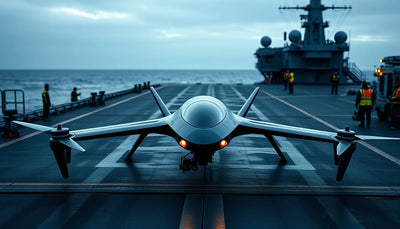
The commercial drone sector has spent years celebrating public demonstrations, airshow-style events, and high-visibility flight displays. But a new submission published by HK01 raises a quieter question: after the drone carnival ends, will classrooms actually teach the next generation how to understand, operate, and safely integrate low-altitude aircraft into daily life? The piece frames this as a gap in "low-altitude literacy," a term that points beyond entertainment and toward the practical knowledge required for a maturing drone economy.
Market context
Turn market news into a buy, repair, or trade-in decision.
Compare pre-owned availability, resale timing, and repair economics before the market moves again.

For commercial operators, fleet managers, and repair customers, the submission matters because it highlights a structural issue that markets often overlook. Hardware sales and event attendance do not automatically create a skilled operator base. If schools do not build low-altitude literacy into their curricula, the industry may face uneven pilot preparation, inconsistent safety expectations, and a slower path to normalized commercial drone operations. The HK01 piece does not cite a specific government policy or school mandate, so the discussion should be read as a source-limited market signal rather than a confirmed regulatory shift.
The education gap behind the drone carnival
The HK01 submission draws attention to the contrast between public enthusiasm for drone displays and the absence of a clear classroom follow-up. Drone carnivals generate visibility, but visibility alone does not teach airspace awareness, maintenance discipline, or operational risk management. The submission asks whether schools will offer a "next lesson" in low-altitude literacy, implying that the current educational pipeline may not be keeping pace with commercial drone adoption.
This is not simply an academic concern. In markets where drone use is expanding across logistics, inspection, agriculture, and public safety, the quality of early training shapes long-term operator behavior. A pilot who first encounters drones through a festival or consumer product may develop habits that later require correction in professional settings. The submission's framing suggests that without structured classroom exposure, the industry may need to compensate through employer-led training, certification programs, and independent learning resources.
What this means for drone owners and the market
For current and prospective drone owners, the reported education gap has practical consequences. New operators entering commercial work may arrive with uneven baseline knowledge, increasing the value of clear documentation, structured repair support, and reliable equipment guidance. Fleet managers may need to budget more heavily for internal training and onboarding, especially if schools are not producing graduates with consistent low-altitude literacy. The HK01 submission does not provide enrollment data or curriculum details, so the scale of the gap remains uncertain, but the direction of the concern is clear.
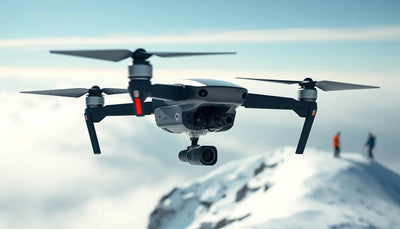
In the pre-owned DJI market, this dynamic can cut both ways. On one hand, a less formally educated operator base may seek lower-cost entry points, supporting demand for inspected pre-owned DJI drones as a way to begin commercial work without full-price hardware risk. On the other hand, operators who lack structured training may place greater strain on equipment, increasing the need for professional DJI repair and genuine OEM spare parts. Reboot Hub analysis suggests that education gaps tend to raise the importance of dependable after-sales support, since buyers cannot always rely on classroom training to teach maintenance and repair fundamentals. For readers evaluating equipment and support options, the Drone Wiki offers a reference point for understanding common drone care and repair topics. For owners evaluating service and lifecycle risk, Drone Wiki explains the relevant repair, parts, resale, or operational path.
The submission also points to a longer-term market question: whether low-altitude literacy becomes a formal part of public education or remains an informal skill acquired through hobbyist communities and commercial training providers. If formal education lags, the commercial sector may need to build its own educational infrastructure, from operator onboarding to equipment lifecycle guidance. That would shift costs and responsibilities toward employers, training vendors, and service providers rather than public institutions.
Why repair and maintenance knowledge are part of literacy
Low-altitude literacy is not only about flying. The HK01 submission's emphasis on classroom learning invites a broader definition that includes understanding how drones are maintained, inspected, and repaired. A pilot who can fly confidently but cannot recognize early signs of motor wear, battery degradation, or gimbal stress may face higher downtime and repair costs. In commercial fleets, this knowledge gap translates directly into operational risk and budget pressure.
For repair customers, the implication is that service providers may need to play an educational role. When a customer sends in a drone with preventable damage, the repair interaction becomes a teaching moment. Over time, markets with stronger repair literacy tend to see longer equipment lifespans, better resale value, and more predictable fleet performance. The HK01 submission does not discuss repair specifically, but its core concern about missing classroom lessons extends naturally to the maintenance skills that keep commercial drones airworthy.
The commercial outlook for training, support, and pre-owned equipment
Reboot Hub analysis: If low-altitude literacy remains uneven, several commercial patterns are likely to strengthen. First, structured training providers may gain influence as employers seek to standardize operator skills. Second, service and repair networks may become more important as informal operators encounter maintenance issues they were never taught to anticipate. Third, the pre-owned market may see sustained demand from buyers who want to enter commercial work while keeping initial capital costs manageable.
The HK01 submission should not be read as a prediction of immediate regulatory change. It is a commentary piece that identifies a gap between public enthusiasm and classroom follow-through. Still, for market participants, the signal is useful. Drone adoption is not the same as drone competence, and the difference between the two will shape procurement, training budgets, and support demand in the years ahead.
FAQ
Frequently asked questions
What is low-altitude literacy in the drone context?
Low-altitude literacy refers to the practical knowledge needed to operate, maintain, and safely integrate drones into shared airspace. The HK01 submission uses the term to question whether classroom education is keeping pace with public drone events and commercial adoption.
Did the HK01 submission confirm a new school drone curriculum?
No. The submission raises the question of whether classrooms will offer a next lesson in low-altitude literacy, but it does not cite a confirmed government policy, school mandate, or curriculum change. It should be read as a market and education commentary rather than a verified regulatory development.
How could an education gap affect drone buyers and repair customers?
Buyers and repair customers may face higher reliance on structured training, clear documentation, and professional service support if schools do not build consistent low-altitude literacy. New operators with uneven baseline knowledge may also place greater strain on equipment, increasing demand for genuine OEM spare parts and professional DJI repair.
Which sources support this update?
The article distinguishes reported information from analysis and does not present an unverified source as official confirmation.
What remains subject to change?
Retail pricing, availability, product bundles and regulatory timelines can change. Readers should verify the latest terms with the named retailer, manufacturer or regulator before acting.
How should buyers or operators use this analysis?
Use the verified facts as a starting point, then compare mission fit, lifecycle support, maintenance needs and current procurement terms before making a purchase or fleet decision.
Konsulterade källor
- Source material - primary source
Ytterligare officiell dokumentation var inte tillgänglig vid publiceringstillfället.
Reboot Hub Editorial tillför analys gällande köp, reparation, andrahandsvärde och drift för drönarägare. Om du upptäcker ett fel, kontakta oss för granskning av rättelse via vår redaktionella policy.