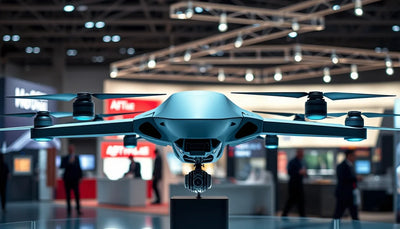
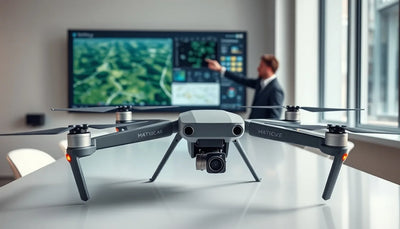
Zing and NUCODE explore compact hardware for drone Remote ID
Zing Drone Solutions and South Korea-based NUCODE have signed an MOU to explore compact wireless modules for drone identification systems. The preliminary agreement signals supplier movement as Remote ID requirements expand across commercial drone operations and fleet planning.

Quick answer
Zing Drone Solutions and South Korea-based NUCODE have signed a Memorandum of Understanding to explore development and supply of compact wireless modules for drone identification systems.
- The MOU is a preliminary agreement, not a confirmed production or supply contract
- The modules target drone Remote ID systems used by authorities to identify drones in flight
- The partnership reflects growing Remote ID requirements for drone manufacturers and operators
- The reporting comes from DroneDJ, with no independent confirmation in the source data
Evidence: DroneDJ · FAA UAS official guidance
Operator checklist
Turn policy news into a safer fleet decision.
Before changing aircraft, compare repair paths, available DJI inventory, and trade-in timing against the rule change.

DroneDJ reported on October 5, 2026, that Zing Drone Solutions and South Korea-based NUCODE have signed a Memorandum of Understanding and reached a preliminary agreement to explore the development and supply of compact wireless modules for drone identification systems. The announcement points to a supplier-side response as Remote ID obligations become a more visible part of commercial drone procurement and fleet planning across multiple regions.
Remote ID allows authorities and other approved parties to identify drones in flight, and the requirement is no longer a distant regulatory concept. For operators running mixed fleets, repair customers weighing hardware upgrades, and buyers evaluating pre-owned aircraft, identification hardware is becoming a practical cost and compatibility question rather than a compliance abstraction. The Zing-NUCODE arrangement is early-stage, but it shows where hardware development is heading.
What the Zing and NUCODE agreement actually covers
According to the DroneDJ report, the two companies have signed an MOU and reached a preliminary agreement to explore development and supply of compact wireless modules for drone identification systems. The source frames the partnership as a response to growing requirements around Remote ID, which lets authorities and other approved parties identify drones in flight. The reporting does not specify production volumes, module dimensions, target pricing, certification status, or delivery timelines.
An MOU is not a binding supply contract. It signals intent to collaborate on feasibility, design, and potential supply arrangements. For commercial readers, that distinction matters: this is a development signal, not a product announcement. Fleet managers should treat any near-term procurement decisions as unchanged until concrete hardware, certification, and compatibility details emerge from either company or a regulatory filing.
Why Remote ID hardware is becoming a procurement variable
Remote ID requirements are pushing identification capability from a niche add-on toward a standard expectation in regulated airspace. DroneDJ notes that manufacturers and operators face growing requirements around Remote ID, which allows authorities and other approved parties to identify drones in flight. When identification hardware becomes a compliance prerequisite, it also becomes a line item in fleet budgets, a factor in aircraft selection, and a consideration in repair and upgrade planning.
Smaller, secure hardware matters operationally. A compact module is easier to integrate without disrupting payload capacity, flight time, or airframe design. For operators flying smaller commercial platforms or managing dense fleets, reduced size and weight can lower the practical burden of compliance. Security is equally relevant: identification modules that resist tampering or spoofing help preserve the integrity of the Remote ID signal that authorities rely on.
What this means for drone owners and the market
For drone owners, the Zing-NUCODE MOU is a reminder that compliance hardware evolves independently of airframe releases. A buyer evaluating a pre-owned DJI drone today should ask whether the aircraft can meet current or anticipated Remote ID expectations in the operating region, and whether any module, firmware, or retrofit path is available. Repair customers should consider whether identification hardware can be serviced or replaced without grounding the aircraft for extended periods. Fleet operators should track supplier activity like this as an early indicator of future module options, pricing pressure, and integration choices. For owners evaluating service and lifecycle risk, Drone Wiki explains the relevant repair, parts, resale, or operational path.
The pre-owned market feels these shifts indirectly. When compliance hardware becomes a gating factor, aircraft that lack a clear identification path can lose resale value, while models with straightforward Remote ID compatibility hold appeal longer. Buyers who want to avoid surprise retrofit costs may benefit from reviewing identification requirements before purchasing. Reboot Hub maintains a Drone Wiki resource that can help operators and buyers understand how regulatory and hardware changes affect drone ownership decisions.
Reboot Hub analysis suggests the broader signal is supplier confidence. A South Korean wireless module specialist exploring a drone identification product with a drone solutions company indicates that Remote ID demand is seen as durable enough to justify development investment. That does not guarantee the Zing-NUCODE module reaches market, but it does suggest the compliance hardware segment is attracting serious commercial attention.
What operators should watch next
The most useful next step for operators is to monitor whether the Zing-NUCODE exploration moves from MOU to a defined product with certification, compatibility, and supply details. DroneDJ's reporting does not confirm any of those specifics. Until then, fleet managers should document current Remote ID compliance for every aircraft in operation, identify any gaps, and keep hardware upgrade paths in view during procurement and repair decisions.
Buyers should also watch whether compact module development influences pricing for identification hardware more broadly. If multiple suppliers enter the segment, module costs could become more competitive over time. For now, the responsible posture is to treat the Zing-NUCODE news as an early indicator, not a procurement trigger. The practical action is to audit current fleet compliance and avoid locking into aircraft or repair paths that cannot accommodate identification hardware changes.
FAQ
Frequently asked questions
What did Zing and NUCODE announce?
Zing Drone Solutions and NUCODE signed a Memorandum of Understanding and reached a preliminary agreement to explore development and supply of compact wireless modules for drone identification systems, according to DroneDJ reporting.
Is the Zing-NUCODE module available to buy now?
No. The source describes a preliminary agreement to explore development and supply. No production, pricing, certification, or availability details were reported.
How does this affect pre-owned drone buyers?
Buyers should check whether a pre-owned aircraft can meet Remote ID requirements in their operating region. Compliance hardware changes can affect resale value and retrofit costs over time.
Which sources support this update?
The visible evidence links identify DroneDJ and FAA UAS official guidance; each source is used only for the claim it directly supports.
What remains subject to change?
Retail pricing, availability, product bundles and regulatory timelines can change. Readers should verify the latest terms with the named retailer, manufacturer or regulator before acting.
How should buyers or operators use this analysis?
Use the verified facts as a starting point, then compare mission fit, lifecycle support, maintenance needs and current procurement terms before making a purchase or fleet decision.
Использованные источники
- DroneDJ - primary source
- FAA UAS official guidance - official regulator source
Редакция Reboot Hub предоставляет анализ по вопросам покупки, ремонта, перепродажи и эксплуатации БПЛА для их владельцев. Если вы заметили ошибку, свяжитесь с нами для ее исправления в соответствии с нашей редакционной политикой.