Wing Patent Shows Packaging Is Now Central to Drone Delivery Scaling
A new Wing Aviation patent application focuses on packaging designed for automated handling, highlighting a shift in how drone delivery networks think about efficiency. The filing shows that scaling commercial delivery now depends on details far beyond aircraft and navigation hardware.

Quick answer
Wing Aviation filed a patent application for a package designed for automated handling, showing that packaging is now a key efficiency lever in scaling commercial drone delivery.
- The patent focuses on package design for automated handling in delivery networks
- Wing Aviation is the Alphabet-owned drone delivery company
- The filing highlights packaging as an overlooked part of commercial drone delivery efficiency
- The development signals broader investment in ground-side logistics, not just aircraft
Evidence: DRONELIFE
Market context
Turn market news into a buy, repair, or trade-in decision.
Compare pre-owned availability, resale timing, and repair economics before the market moves again.

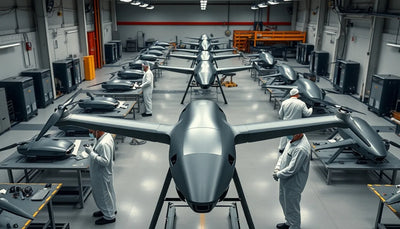
Commercial drone delivery has spent years focused on aircraft performance, navigation reliability, and regulatory approval. A new patent application from Wing Aviation suggests the industry's next efficiency frontier may be far less glamorous: the package itself. According to reporting from DRONELIFE, the Alphabet-owned drone delivery company has filed a patent application describing a package designed specifically for automated handling, addressing a part of the delivery chain that often goes unnoticed.
The filing, covered by DRONELIFE on November 23, 2026, highlights how the physical design of a parcel can affect how smoothly a delivery network operates at scale. For commercial operators and logistics planners, the message is clear: scaling drone delivery is no longer only about what flies, but also about what gets carried and how easily ground systems can process it.
Why packaging matters in automated delivery networks
DRONELIFE reports that Wing's patent application describes a package intended for automated handling, a design consideration that becomes more important as delivery volumes grow. In a network where parcels move between fulfillment points, aircraft, and customer drop zones, a package that is difficult to grip, orient, or secure can create bottlenecks that compound across thousands of daily deliveries.
For fleet operators and logistics providers, this points to a practical reality: throughput depends on consistency. A package designed for machine handling reduces the need for manual intervention, lowers the chance of handling errors, and helps keep aircraft turnaround times predictable. Those are the same operational metrics that matter in any high-volume delivery system, whether ground-based or airborne.
What the Wing filing signals about industry maturity
The patent application covered by DRONELIFE suggests that drone delivery companies are now investing in the unglamorous infrastructure that separates pilot projects from sustainable commercial operations. Early drone delivery efforts concentrated on proving that an aircraft could carry a payload from point A to point B. The next phase appears to be about making the entire system repeatable, measurable, and cost-effective at scale.
Reboot Hub analysis: this shift mirrors patterns seen in other logistics sectors, where packaging standardization often follows the initial technology breakthrough. When a delivery network reaches a certain volume, small inefficiencies in handling become significant cost drivers. Wing's focus on package design indicates the company is thinking about those marginal gains that determine long-term unit economics.
What this means for drone owners and the market
Reboot Hub analysis: For commercial drone buyers and fleet managers, the Wing filing is a reminder that aircraft performance is only one part of a viable delivery operation. Procurement decisions increasingly need to account for how a drone integrates with ground handling, packaging systems, and fulfillment workflows. A platform that flies well but complicates loading or sorting may create hidden operating costs that outweigh its flight performance advantages.
The broader market signal is that drone delivery is maturing into a systems business rather than a hardware showcase. For operators evaluating pre-owned DJI drones or enterprise platforms for logistics work, the practical takeaway is to assess the full operational chain before committing to a fleet. Understanding how a specific aircraft handles payload attachment, package orientation, and automated loading matters as much as range or endurance figures. For readers tracking these shifts, our Drone Wiki offers a reference point for understanding how commercial drone categories and operational requirements are evolving. For owners evaluating service and lifecycle risk, Drone Wiki explains the relevant repair, parts, resale, or operational path.
Packaging as a competitive differentiator
The DRONELIFE report underscores that companies like Wing are looking beyond aircraft and navigation systems to find competitive advantages. If packaging can be patented and optimized, it becomes a defensible part of a delivery network's intellectual property and operational playbook. That has implications for how drone delivery providers differentiate themselves in a market that is becoming more crowded.
For repair customers and service providers, this development also carries a subtle message. As delivery networks standardize their handling equipment and package formats, the drones themselves will face more predictable wear patterns. Consistent package weights, attachment mechanisms, and loading procedures can reduce unexpected stress on airframes and payload systems. That predictability may eventually translate into more stable maintenance schedules and clearer repair expectations for commercial fleets.
FAQ
Frequently asked questions
What did Wing Aviation patent?
According to DRONELIFE, Wing Aviation filed a patent application for a package designed for automated handling within drone delivery networks.
Why does packaging matter for drone delivery?
Package design affects how efficiently a delivery network operates, including how easily parcels can be handled by automated systems and how smoothly they move through fulfillment and delivery workflows.
What does this mean for commercial drone operators?
Operators should consider how aircraft integrate with ground handling and packaging systems, not just flight performance, when planning or expanding drone delivery operations.
Which sources support this update?
The visible evidence links identify DRONELIFE; each source is used only for the claim it directly supports.
What remains subject to change?
Retail pricing, availability, product bundles and regulatory timelines can change. Readers should verify the latest terms with the named retailer, manufacturer or regulator before acting.
How should buyers or operators use this analysis?
Use the verified facts as a starting point, then compare mission fit, lifecycle support, maintenance needs and current procurement terms before making a purchase or fleet decision.
Использованные источники
- DRONELIFE - primary source
На момент публикации дополнительная официальная документация отсутствовала.
Редакция Reboot Hub предоставляет анализ по вопросам покупки, ремонта, перепродажи и эксплуатации БПЛА для их владельцев. Если вы заметили ошибку, свяжитесь с нами для ее исправления в соответствии с нашей редакционной политикой.