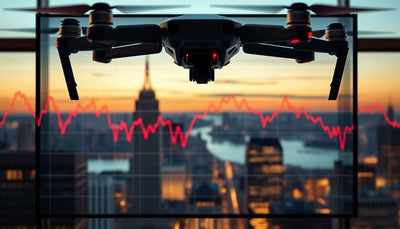
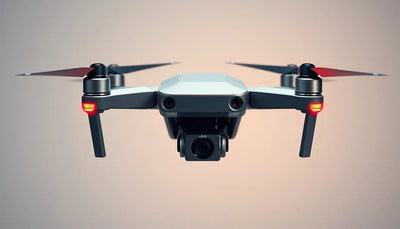
US Air Force Base Plans DJI Drone Purchase for Counter-UAS Training
A US Air Force base is planning to buy a DJI drone to support counter-drone training, according to a Digitimes report. The move highlights how widely available commercial platforms now shape defense readiness and the broader DJI equipment market.

Quick answer
A US Air Force base is planning to purchase a DJI drone for counter-drone training, according to a Digitimes report.
- Digitimes reports the planned purchase is tied to counter-drone training.
- The development involves a US Air Force base but does not name the specific installation.
- The report does not specify the DJI model, quantity, or procurement value.
- The move reflects how commercial DJI platforms are used in defense training scenarios.
Evidence: AeroVironment unmanned systems solutions · Defense.gov official source
Fleet readiness
Keep DJI hardware available without overbuying new units.
Use defense and fleet news as a planning signal for repair support, inspected pre-owned aircraft, and replacement timing.

A US Air Force base is planning to purchase a DJI drone for counter-drone training, according to a report published by Digitimes. The development, surfaced through Google News aggregation for DJI-related coverage, points to a practical reality in modern defense readiness: inexpensive, widely available commercial drones are now standard tools for teaching personnel how to detect, track, and respond to unmanned aerial threats.
The report does not identify the specific base, the DJI model under consideration, the quantity involved, or the contract value. That leaves several procurement questions open, but the core signal is clear. A US military installation is treating a commercial DJI platform as a legitimate training asset for counter-UAS operations, even as broader policy debates continue around Chinese-made drones in federal and defense settings.
Why a DJI platform makes sense for counter-drone training
Reboot Hub analysis: Counter-drone training requires realistic targets. Military units and security teams need to practice against the same types of aircraft they are most likely to encounter in real-world airspace incidents, perimeter intrusions, and unauthorized surveillance events. DJI drones dominate the global consumer and commercial small-UAS market, which means they are also the most commonly encountered platforms in unauthorized or nuisance drone activity.
From a training standpoint, using an actual DJI aircraft offers value that a simulated or custom-built target cannot easily replicate. Trainees can observe real flight behavior, signal characteristics, maneuverability, and visual profiles. The Digitimes report frames the planned purchase specifically around counter-drone training, suggesting the base wants a representative commercial platform rather than a specialized military target drone.
For commercial operators and fleet managers, this is a reminder that DJI hardware remains deeply embedded in operational environments far beyond photography, mapping, and inspection. The same airframes used for construction surveys and agricultural monitoring are also the reference points for security teams building counter-UAS response plans.
Defense procurement and the commercial drone supply chain
The reported purchase plan sits inside a complicated procurement landscape. US federal agencies have faced restrictions and scrutiny around Chinese-made drone technology, and DJI has been a focal point in those discussions. At the same time, military and law enforcement units continue to encounter DJI aircraft daily, which creates a practical incentive to use them in controlled training environments.
Digitimes is the primary reporting source for this development. Reboot Hub analysis would note that a single base-level training purchase is not the same as a broad policy shift or a large-scale defense contract. It does not indicate that DJI has secured a federal supply agreement, and it does not change existing restrictions or review processes that may apply to Chinese-made drone technology in US government settings.
What the report does illustrate is the gap between policy-level caution and operational-level demand. Training units need realistic targets, and the most realistic small-UAS targets are overwhelmingly DJI products. That dynamic has commercial implications for the broader DJI ecosystem, including parts availability, repair demand, and the pre-owned market.
What this means for drone owners and the market
For individual pilots, repair customers, and second-hand buyers, the defense training angle is less about immediate policy change and more about sustained demand signals. Every time a defense, law enforcement, or security organization uses DJI hardware for training, testing, or evaluation, it reinforces the platform's role as the default reference standard for small commercial drones.
That reference-standard status matters for the pre-owned DJI market. Buyers evaluating an inspected pre-owned DJI drone are not purchasing into a niche ecosystem. They are buying into the most widely recognized small-UAS platform family in the world, one that appears in commercial fleets, public safety programs, and now defense training scenarios. For operators who want to understand the equipment landscape before buying or maintaining a DJI airframe, the Drone Wiki provides a useful reference point for model context and ownership considerations.
Fleet managers should also note the training use case. If military and security teams are building counter-UAS programs around DJI flight profiles, private facilities, logistics hubs, and critical infrastructure operators may follow a similar logic. That could mean more demand for DJI aircraft as test targets, more wear on training airframes, and a steady need for genuine OEM spare parts and professional DJI repair services. For owners evaluating service and lifecycle risk, Drone Wiki explains the relevant repair, parts, resale, or operational path.
The report does not suggest any change to DJI's retail availability, pricing, or support network. Reboot Hub analysis would caution against reading a single base-level purchase as a major market event. However, it is a concrete data point showing that DJI hardware remains operationally relevant even in environments where procurement restrictions are a live concern.
What operators should watch next
The most useful follow-up for commercial operators and buyers would be any detail on the specific DJI model selected, the procurement mechanism used, and whether the purchase proceeds through standard federal contracting channels. Those details would clarify whether this is a routine training acquisition or part of a larger counter-UAS evaluation program.
For now, the actionable takeaway is straightforward. Drone owners, repair customers, and fleet planners should treat DJI's presence in defense training as another confirmation that the platform family will remain the common denominator in small-UAS operations for the foreseeable future. That has direct implications for parts demand, service volume, and the long-term value of well-maintained pre-owned DJI aircraft.
Repair customers should also recognize that training environments are hard on equipment. Aircraft used in repeated intercept drills, signal testing, and adversarial flight scenarios accumulate wear faster than consumer drones flown for photography. That pattern supports a healthy market for OEM-pulled parts and professional repair services, especially for airframes and components that see high cycle counts.
FAQ
Frequently asked questions
Did a US Air Force base confirm the DJI drone purchase?
The Digitimes report describes a planned purchase, but no official confirmation from the US Air Force or a named base appears in the available source data. The specific installation, model, and contract details are not identified.
Does this mean DJI drones are approved for US military use?
No. A single reported training purchase does not indicate a broad policy change or a large-scale defense contract. Existing restrictions and review processes around Chinese-made drone technology in US government settings remain separate from this reported development.
How does this affect the pre-owned DJI drone market?
The development reinforces DJI's position as the default reference platform for small commercial drones. That supports sustained demand for parts, repair services, and well-maintained pre-owned DJI aircraft, though the report itself does not describe any direct market or pricing impact.
Which sources support this update?
The visible evidence links identify AeroVironment unmanned systems solutions and Defense.gov official source; each source is used only for the claim it directly supports.
What remains subject to change?
Retail pricing, availability, product bundles and regulatory timelines can change. Readers should verify the latest terms with the named retailer, manufacturer or regulator before acting.
How should buyers or operators use this analysis?
Use the verified facts as a starting point, then compare mission fit, lifecycle support, maintenance needs and current procurement terms before making a purchase or fleet decision.
Использованные источники
На момент публикации дополнительная официальная документация отсутствовала.
Редакция Reboot Hub предоставляет анализ по вопросам покупки, ремонта, перепродажи и эксплуатации БПЛА для их владельцев. Если вы заметили ошибку, свяжитесь с нами для ее исправления в соответствии с нашей редакционной политикой.