TSA Opens Industry Talks on Security Rules for Part 108 BVLOS Flights
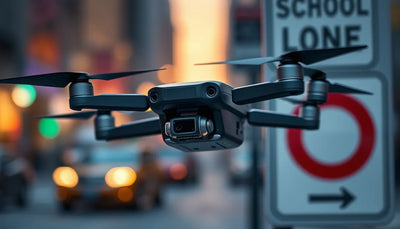
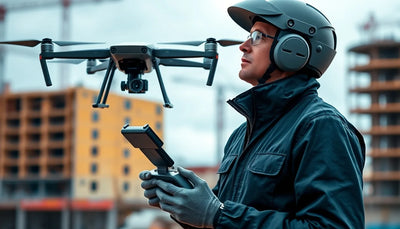
The TSA is convening technical roundtables on security requirements for Part 108 beyond visual line of sight operations. The shift moves industry attention from getting permission to fly toward meeting standing security obligations once routine BVLOS flights become available.

Quick answer
The TSA is seeking drone industry input through technical roundtables on security requirements for Part 108 BVLOS operations.
- TSA roundtables will examine existing BVLOS security practices against new Part 108 requirements.
- The industry question is shifting from how to get BVLOS permission to how to meet standing security obligations.
- Routine BVLOS operations will require operators to plan for security compliance, not just flight authorization.
- The development matters for commercial operators, fleet buyers, and service providers preparing for scaled BVLOS work.
Evidence: DRONELIFE
Fleet readiness
Keep DJI hardware available without overbuying new units.
Use defense and fleet news as a planning signal for repair support, inspected pre-owned aircraft, and replacement timing.

The drone industry has spent years asking a single question about beyond visual line of sight operations: how do I get permission to fly? According to reporting from DRONELIFE, the Transportation Security Administration is now pushing the conversation toward a different question, one that will shape how commercial BVLOS fleets are built, insured, and maintained once routine operations become available.
DRONELIFE reports that the TSA is seeking drone industry input through technical roundtables focused on security requirements for Part 108 BVLOS operations. The roundtables are expected to examine how existing BVLOS security practices could help operators comply with new requirements. The development signals that security planning is moving from a niche concern for specialized operators into a standing obligation for the broader commercial drone market.
The regulatory shift behind the TSA roundtables
The core change described in the DRONELIFE report is conceptual. For years, BVLOS was treated primarily as a permission problem. Operators needed waivers, special approvals, or experimental authorizations to fly beyond the pilot's direct line of sight. Part 108 changes that framing. Once routine BVLOS operations become available, the limiting factor will no longer be whether an operator can get permission, but whether the operator can satisfy the security expectations that come with operating at scale.
The TSA's involvement matters because it introduces a security layer that many commercial operators have not historically had to address in their day-to-day flight planning. Physical security of aircraft, data handling, access controls, and operational integrity are all areas where TSA input could shape how Part 108 compliance is evaluated. DRONELIFE's reporting indicates that the roundtables are designed to draw on existing BVLOS security practices already in use by advanced operators, rather than starting from a blank regulatory page.
For fleet managers and procurement teams, this is a signal that security documentation and operational security protocols may become part of the standard compliance package for BVLOS-capable aircraft and ground control systems. Operators who have already invested in secure storage, controlled access to flight systems, and auditable operational logs may find themselves ahead of the curve.
What the roundtable process tells operators
Technical roundtables are a familiar mechanism in aviation rulemaking, but their use here suggests that the TSA is still gathering operational detail rather than imposing a finished security framework. DRONELIFE's report frames the roundtables as an examination of how existing practices could help operators comply with new requirements. That language points toward a consultative process where industry experience informs the final shape of security obligations.
The practical implication is that operators who participate in, or closely follow, these roundtables will have earlier visibility into the security expectations that may eventually attach to Part 108 operations. That visibility has commercial value. A drone services company that understands likely security requirements can make better decisions about aircraft selection, data management infrastructure, and crew training before those requirements become mandatory.
Reboot Hub analysis: the roundtable format also suggests that the TSA is not yet ready to publish a fixed security rule. Operators should treat the next several months as a window for scenario planning rather than immediate compliance spending. The smart move is to monitor what existing BVLOS operators present as their current security practices, since those practices may become the baseline for broader industry expectations.
What this means for drone owners and the market
Security requirements for Part 108 BVLOS operations will eventually ripple through the commercial drone market in predictable ways. Aircraft that are difficult to secure physically, or that lack robust access controls and audit trails in their ground control software, may become less attractive for BVLOS work. Conversely, platforms with strong identity management, encrypted data links, and tamper-evident hardware could gain a competitive edge as security becomes a procurement criterion.
For individual drone owners and smaller operators, the immediate impact is indirect but real. As larger fleet operators adjust their procurement and maintenance practices to meet emerging security expectations, the secondary market for commercial aircraft may shift. Buyers considering pre-owned DJI drones or other enterprise platforms for BVLOS work should pay attention to whether the aircraft's software and hardware support the kind of access control and logging that security-conscious operations will likely require. For anyone evaluating the broader commercial drone landscape, the Drone Wiki offers a useful reference point for understanding how regulatory and security changes affect aircraft value and operational planning. For owners evaluating service and lifecycle risk, Drone Wiki explains the relevant repair, parts, resale, or operational path.
Repair and maintenance providers should also take note. Security requirements often extend to how aircraft are handled, stored, and serviced. A repair shop that can document chain of custody, verify component authenticity, and maintain secure handling procedures may become a preferred partner for BVLOS operators who need to demonstrate security compliance across their entire operation, not just during flight.
Planning ahead without overreacting
The DRONELIFE report does not include specific deadlines, penalties, or technical standards, and Reboot Hub is not aware of any published TSA security rule for Part 108 at this stage. That absence of detail is itself useful information. Operators should avoid making large capital commitments based on speculation about what the TSA might require. Instead, the practical response is to audit current security practices against what is already known about BVLOS operations.
Fleet managers can start by documenting how aircraft are stored, who has access to flight control systems, how flight data is protected, and whether operational logs are complete enough to withstand external review. These are low-cost, high-value steps that make sense regardless of where the TSA process lands. They also position an operator to respond quickly once the roundtables produce more concrete guidance.
For buyers, the message is to treat security capability as a quiet but growing factor in aircraft selection. A platform that looks strong on flight performance but weak on access control and data protection may carry hidden costs if Part 108 security expectations tighten. The TSA roundtables are an early signal, but they are a signal worth watching closely.
FAQ
Frequently asked questions
What is the TSA doing about Part 108 BVLOS security?
According to DRONELIFE, the TSA is convening technical roundtables to seek drone industry input on security requirements for Part 108 BVLOS operations, with a focus on how existing security practices could support compliance.
Does this mean Part 108 security rules are already final?
No. The reporting indicates a consultative roundtable process, not a published final rule. Operators should monitor the process and prepare for likely security expectations without assuming specific requirements are already fixed.
What should drone operators do right now?
Operators should audit their current security practices, including aircraft storage, access controls, data handling, and operational logging. Documenting these practices now positions fleets to adapt quickly as the TSA process produces more concrete guidance.
Which sources support this update?
The visible evidence links identify DRONELIFE; each source is used only for the claim it directly supports.
What remains subject to change?
Retail pricing, availability, product bundles and regulatory timelines can change. Readers should verify the latest terms with the named retailer, manufacturer or regulator before acting.
How should buyers or operators use this analysis?
Use the verified facts as a starting point, then compare mission fit, lifecycle support, maintenance needs and current procurement terms before making a purchase or fleet decision.
Использованные источники
- DRONELIFE - primary source
На момент публикации дополнительная официальная документация отсутствовала.
Редакция Reboot Hub предоставляет анализ по вопросам покупки, ремонта, перепродажи и эксплуатации БПЛА для их владельцев. Если вы заметили ошибку, свяжитесь с нами для ее исправления в соответствии с нашей редакционной политикой.