Su-57 Drone Defense Configuration Signals Shift in Counter-UAS Tactics
Russia is adapting its Su-57 fighter to defend against drones and cruise missiles, reflecting the growing role of UAVs in modern conflict. For commercial drone buyers and fleet operators, this development signals tighter security standards and shifts in the pre-owned drone market.

The War Zone reports that Russia’s Su-57 fighter jet may have been drafted into a new mission: defending against drones and cruise missiles. This shift in weapons configuration, first observed in recent imagery, marks a significant operational pivot for the country’s premier air superiority platform. For commercial drone operators, fleet managers, and buyers in the pre-owned DJI market, this development is more than a distant military headline. It signals a broader trend where unmanned aerial systems are increasingly seen as a credible threat, driving demand for advanced counter-UAS solutions, stricter airspace regulations, and a more security-conscious approach to drone ownership.
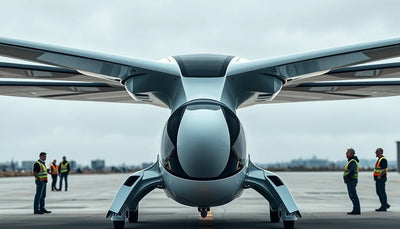
The Su-57, a stealth multirole fighter, was originally designed for air dominance and strike missions. According to the source imagery, the aircraft now carries an array of external munitions and sensors that appear optimized for engaging smaller, low-flying targets—namely drones and cruise missiles. While no official technical specifications were released, the visual evidence points to a dedicated counter-UAS and cruise missile defense role. This adaptation underscores how quickly battlefield threats evolve and how military platforms are being repurposed to address them. For those of us watching the drone industry, it is a clear indicator that the line between aerial tools and aerial threats continues to blur.
Why Russia’s Su-57 Adaptation Matters for Drone Defense Markets
The Su-57’s new mission profile directly reflects Russia’s experience in Ukraine, where Ukrainian long-range strike capabilities, including drones and cruise missiles, have forced a tactical rethink. Source details indicate that the Su-57’s weapons configuration now includes air-to-air missiles and specialized pods that could be used for detection and engagement of small, agile targets. For defense contractors and commercial drone suppliers, this creates a dual signal. First, military investment in counter-UAS technology is accelerating, opening opportunities for companies that build jammers, interceptor drones, and sensor suites. Second, the commercial drone sector may face tighter export controls and airspace restrictions as governments perceive UAVs as dual-use threats.
Fleet readiness
Keep DJI hardware available without overbuying new units.
Use defense and fleet news as a planning signal for repair support, inspected pre-owned aircraft, and replacement timing.

What does this mean for a fleet operator? If you fly drones for surveying, inspection, or delivery in regions near conflict zones or sensitive infrastructure, you may encounter more rigorous regulatory scrutiny. Radio frequency spectrum allocations, geofencing requirements, and insurance mandates could tighten. At the same time, the market for used, well-maintained drones may grow as operators look to upgrade to models with better security features or compliance certifications. We are already seeing a trend where enterprises prefer inspected pre-owned DJI drones for their reliability and lower cost, allowing them to build redundancy without breaking budgets. The Su-57’s new role reinforces the idea that drones are no longer niche tools—they are part of a contested air domain.
Counter-UAS Technology and the Second-Hand Drone Market
As nations invest in counter-UAS capabilities, the value of certain drone models may shift. Older generation drones without encrypted data links or firm anti-spoofing protections could become harder to operate in restrictive airspace. Conversely, platforms like the DJI Matrice or Mavic Enterprise series, which offer robust security features, may hold their value better on the pre-owned market. The source’s focus on Russia’s Su-57 adaptation highlights that even military-grade fighters are being optimized to neutralize drone threats, which in turn normalizes the idea that drones require sophisticated countermeasures.
For repair customers and parts buyers, this development suggests a growing market for OEM-pulled parts and genuine OEM spare parts. As fleets are upgraded or consolidated, components from retired aircraft become valuable. Professional DJI repair services that use authentic parts will be in higher demand, especially if regulations require proof of maintenance using certified components. If you are considering adding a second drone to your fleet, now may be a good time to review your trade-in options. Our drone trade-in guide offers a practical roadmap for upgrading responsibly without losing capital.
What this means for drone buyers
For anyone currently shopping for a drone—whether a first-time buyer or a seasoned fleet manager—the Su-57’s new role introduces several practical considerations. First, the geopolitical climate is driving governments to view all UAVs with more caution. This may lead to new import restrictions or certification requirements for both new and pre-owned DJI drones. Buyers should prioritize models that already meet widely recognized standards, such as Remote ID compliance or specific cybersecurity certifications.
Second, the second-hand market could see pricing fluctuations. As military spending on counter-UAS rises, surplus commercial drones may become available from defense contractors who are pivoting to newer systems. That could create buying opportunities, but only if you verify the condition and provenance of each unit. Choosing inspected pre-owned DJI drones from a reputable source reduces the risk of acquiring a unit with compromised firmware or non-standard components.
Third, the repair ecosystem becomes more critical. With geopolitical tensions, availability of OEM spare parts may tighten. Building a relationship with a service provider that stocks genuine OEM spare parts and offers professional DJI repair services can future-proof your operations. If you are about to make a purchase, ask the seller whether they offer post-sale support with authentic components. This tip applies whether you buy new or used.
Broader Market Trends and Strategic Implications
The Su-57 adaptation is just one data point in a larger trend: the weaponization of the drone threat. As Ukraine continues to demonstrate the effectiveness of low-cost UAVs against high-value targets, every major military force is rethinking air defense. For the commercial drone industry, this means longer sales cycles, more compliance paperwork, and a greater emphasis on trust and transparency. Companies that sell pre-owned equipment must prove traceability. Repair shops must certify their parts. Buyers must become more educated.
Market trends indicate that the demand for secure, versatile drone platforms will grow. But so will the demand for maintenance expertise. We anticipate that fleet operators will shift toward fewer, higher-quality aircraft rather than many cheap drones. This plays directly into the strengths of the pre-owned DJI market, where well-maintained units from the Matrice or Phantom series still command premium prices. The lesson from the Su-57 story is simple: the drone environment is becoming more competitive and more regulated. Those who prepare now—by buying smart, maintaining well, and planning for turnover—will lead the next phase of the industry.
How does the Su-57's new role affect commercial drone operators directly?
It signals a global tightening of airspace security. Commercial operators may face updated flight restrictions, especially near military zones or critical infrastructure. It also reinforces the importance of using secure, well-documented drones that can stand up to scrutiny during compliance audits.
Should I be concerned about the security of my current drone?
If your drone does not support encrypted communication or has no firmware update path, it could become difficult to operate in stricter environments. Consider upgrading to a more modern platform. The pre-owned DJI market offers many options that provide the security features needed without the cost of a brand-new unit.
What are the implications for the second-hand drone market?
Demand for verified, traceable pre-owned drones is likely to increase. Buyers will prioritize units with clear service history, OEM parts, and current firmware. Sellers who can provide documentation and an inspection certificate will command better prices, while uncertified units may see discounts.