Shield to acquire radar maker Echodyne in $5.3 billion counter-drone deal
DroneDJ reports Shield has agreed to acquire radar manufacturer Echodyne in a $5.3 billion deal backed by $2.5 billion in new financing, expanding its Mission Systems business and counter-drone technology portfolio.

Quick answer
DroneDJ reports that Shield has announced a $5.3 billion agreement to acquire radar manufacturer Echodyne, supported by $2.5 billion in new financing to expand its counter-drone and Mission Systems portfolio.
- Shield announced a $5.3 billion agreement to acquire Echodyne, according to DroneDJ.
- The deal is backed by $2.5 billion in new financing.
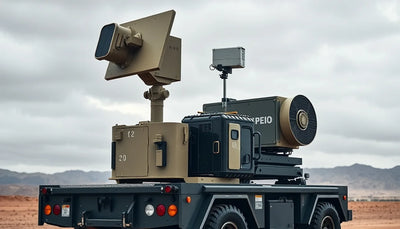
- Echodyne manufactures radar technology for counter-drone and autonomous defense applications.
- The acquisition expands Shield's Mission Systems business and radar portfolio.
Evidence: DroneDJ · AeroVironment unmanned systems solutions · Defense.gov official source
Fleet readiness
Keep DJI hardware available without overbuying new units.
Use defense and fleet news as a planning signal for repair support, inspected pre-owned aircraft, and replacement timing.

Verified facts
What the available evidence confirms
| Reported detail | Value |
|---|---|
| Reported deal value | $5.3 billion |
| Reported financing raised | $2.5 billion |
| Target company | Echodyne |
| Acquiring company | Shield |
| Primary reporting source | DroneDJ |
Shield has agreed to acquire radar manufacturer Echodyne in a deal valued at $5.3 billion, according to a report published by DroneDJ on November 9, 2026. The transaction is supported by $2.5 billion in new financing and is positioned as a major expansion of Shield's Mission Systems business, with Echodyne's radar technology expected to strengthen the company's growing portfolio of autonomous defense systems.
The reported acquisition reflects accelerating consolidation in the counter-drone sector, where radar sensing has become a foundational layer for detecting and tracking small unmanned aircraft. For commercial drone operators, fleet buyers, and repair customers, the deal matters less for its headline price than for what it signals about where defense capital is flowing and how that may reshape the broader UAV hardware ecosystem.
The reported deal and its strategic logic
DroneDJ's reporting, which serves as the primary source for this analysis, describes the agreement as a $5.3 billion acquisition of Echodyne by Shield. The $2.5 billion financing component suggests a substantial capital commitment behind the counter-drone market, where demand for reliable detection and tracking has grown alongside the proliferation of small drones in both military and civilian airspace.
Echodyne is identified in the source as a radar manufacturer, and the acquisition is framed as expanding Shield's Mission Systems business. The strategic logic is straightforward: radar provides the sensing backbone for counter-UAS operations, and owning that technology in-house can give a defense contractor tighter control over system integration, supply chain, and product development cycles. Reboot Hub analysis views this as part of a broader pattern of defense primes acquiring specialized sensor companies rather than relying on third-party components.
The counter-drone market has moved from a niche military concern to a mainstream defense priority, and acquisitions like this one reinforce that shift. Operators who follow defense procurement closely will recognize that radar manufacturers have become attractive acquisition targets precisely because detection remains one of the hardest technical problems in counter-UAS work.
What this means for drone owners and the market
For commercial drone owners and fleet operators, the reported Shield-Echodyne deal is a signal that counter-drone infrastructure is becoming more institutionalized. As defense contractors consolidate radar and detection capabilities, the technology may eventually filter into civilian applications such as airport security, critical infrastructure protection, and large-event airspace management. That could mean more visible counter-UAS systems operating in the same airspace where commercial pilots fly, making compliance and flight planning more complex over time.
The pre-owned DJI market may also feel indirect effects. When defense and security budgets shift toward counter-drone systems, some enterprise and government buyers reassess their own fleet investments, occasionally releasing lightly used units into the secondary market. Operators looking for inspected pre-owned DJI drones or genuine OEM spare parts can use resources like the Drone Wiki to understand model differences and maintenance considerations before purchasing, especially as market conditions shift.
Repair customers should note that consolidation among defense suppliers rarely changes consumer repair economics overnight, but it can influence component availability in adjacent markets. Radar and sensing components are not typically interchangeable with consumer drone parts, yet the broader supply chain for specialized electronics can tighten when large defense programs absorb manufacturing capacity. Fleet managers who depend on predictable parts availability may want to monitor how major defense deals affect the component suppliers they indirectly rely on. For owners evaluating service and lifecycle risk, Drone Wiki explains the relevant repair, parts, resale, or operational path.
Commercial and procurement implications
The reported $2.5 billion financing component underscores how much capital is now flowing into counter-drone technology. For procurement officers and fleet planners, this is a useful data point when evaluating the long-term stability of the counter-UAS vendor landscape. A market where large players are acquiring specialized radar firms is a market that is maturing, and mature markets tend to favor integrated platforms over point solutions.
Reboot Hub analysis suggests that commercial operators should watch for three practical consequences. First, counter-drone detection systems may become more common at venues and facilities where commercial drone operations require waivers or coordination. Second, defense-driven demand for radar and sensing components could influence lead times for specialized electronics in adjacent industries. Third, consolidation may reduce the number of independent radar suppliers, which could affect pricing and innovation cycles in the broader UAV sensing market.
None of these consequences are immediate, and the source does not provide operational details about how the acquisition will affect specific product lines or customers. The prudent response for operators is to stay informed about defense market consolidation without overreacting to a single reported deal.
What operators should watch next
The DroneDJ report does not specify a closing timeline, regulatory approvals, or post-acquisition integration plans. Those details will matter for anyone tracking the counter-drone market closely. Operators and buyers should watch for official statements from Shield and Echodyne, regulatory filings, and any announcements about product roadmaps or customer commitments.
For now, the actionable takeaway is modest: treat this reported acquisition as a leading indicator of continued defense investment in counter-UAS sensing, and factor that trend into long-term fleet and procurement planning. Commercial operators who fly near sensitive infrastructure or large public venues may encounter more counter-drone activity in the coming years, making documented flight planning and compliance more important than ever.
The broader lesson for drone buyers is that the UAV ecosystem is increasingly shaped by defense priorities, even for civilian operators. Staying informed about major defense acquisitions helps buyers anticipate shifts in technology availability, regulatory attention, and market structure before those shifts reach the consumer and commercial segments.
FAQ
Frequently asked questions
What did Shield announce regarding Echodyne?
According to DroneDJ, Shield announced a $5.3 billion agreement to acquire radar manufacturer Echodyne, supported by $2.5 billion in new financing.
Why does the Shield-Echodyne deal matter for commercial drone operators?
Reboot Hub analysis: The deal signals growing defense investment in counter-drone radar technology, which could lead to more counter-UAS systems in civilian airspace and influence long-term procurement and compliance planning for commercial operators.
Does this acquisition directly affect pre-owned DJI drone prices?
The source does not provide evidence of a direct price impact. However, shifts in defense and enterprise fleet investment can indirectly influence secondary market supply, making it useful for buyers to monitor market conditions.
Which sources support this update?
The visible evidence links identify DroneDJ and AeroVironment unmanned systems solutions and Defense.gov official source; each source is used only for the claim it directly supports.
What remains subject to change?
Retail pricing, availability, product bundles and regulatory timelines can change. Readers should verify the latest terms with the named retailer, manufacturer or regulator before acting.
How should buyers or operators use this analysis?
Use the verified facts as a starting point, then compare mission fit, lifecycle support, maintenance needs and current procurement terms before making a purchase or fleet decision.
Использованные источники
- DroneDJ - primary source
- AeroVironment unmanned systems solutions - official company source
- Defense.gov official source - official government source
Редакция Reboot Hub предоставляет анализ по вопросам покупки, ремонта, перепродажи и эксплуатации БПЛА для их владельцев. Если вы заметили ошибку, свяжитесь с нами для ее исправления в соответствии с нашей редакционной политикой.