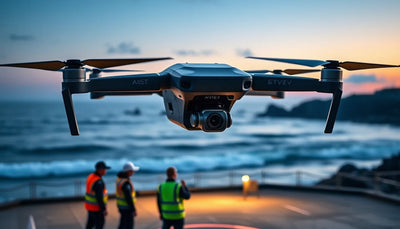
FCC Tightens U.S. Drone Ban, Shifting Fleet Planning
The FCC has moved to tighten restrictions on certain drones in U.S. airspace, according to Aero-News.net. Commercial operators, fleet buyers, and repair customers now face fresh questions about equipment longevity, parts availability, and pre-owned market stability.

Quick answer
The FCC is tightening U.S. restrictions on certain drones, as reported by Aero-News.net, creating new compliance and planning pressure for commercial operators.
- FCC action targets drones already facing U.S. restrictions
- Commercial operators should review fleet compliance exposure
- Pre-owned DJI market may see shifting demand and pricing
- Repair and parts planning becomes more urgent for affected models
Evidence: FAA UAS official guidance
Operator checklist
Turn policy news into a safer fleet decision.
Before changing aircraft, compare repair paths, available DJI inventory, and trade-in timing against the rule change.

The Federal Communications Commission is tightening the U.S. ban on certain drones, according to industry reporting from Aero-News.net. The move adds another regulatory layer to an already complex operating environment for commercial drone pilots, fleet managers, and buyers weighing long-term equipment commitments.
For operators who depend on specific drone platforms for inspection, mapping, public safety, or agricultural work, the FCC action raises immediate questions about compliance, resale value, and the practical lifespan of equipment already in service. The reporting is source-limited, meaning the full scope of the FCC's latest action is still emerging, but the direction is clear: U.S. regulators are continuing to narrow the field of acceptable drone hardware.
What the FCC action signals for U.S. drone policy
The FCC's role in drone regulation has historically focused on radio frequency authorization, equipment certification, and communications security. When the FCC tightens a ban, it typically affects the ability of certain drone models or manufacturers to operate legally within U.S. airspace, even if the airframe itself remains physically capable of flight. Aero-News.net reports that this latest action tightens an existing U.S. drone ban, suggesting that the regulatory posture is hardening rather than softening.
This matters because the FCC does not operate in isolation. Its actions often align with broader federal concerns about data security, supply chain integrity, and national security. For commercial operators, the practical consequence is that a drone purchased today could face new restrictions tomorrow, even if it was legally acquired and compliant at the time of purchase. That uncertainty is now a permanent feature of U.S. drone procurement planning.
Commercial fleet exposure and planning pressure
Fleet managers who have standardized on a single drone platform now face a difficult calculation. If the FCC's tightened ban affects their primary airframe, they must weigh the cost of transitioning to alternative hardware against the risk of continuing to operate equipment that may face further restrictions. The Aero-News.net report does not specify which models or manufacturers are directly affected by the latest action, but the trend line is unmistakable.
For operators in sectors like utilities, construction, and public safety, where drone programs are often built around a specific ecosystem of airframes, batteries, sensors, and software, a regulatory shift can ripple through budgets and operational planning. The cost of replacing a fleet is not limited to the airframes themselves. Training, spare parts inventories, maintenance workflows, and pilot certifications all carry switching costs that multiply quickly across a large fleet.
What this means for drone owners and the market
The pre-owned DJI market is particularly sensitive to regulatory changes. DJI drones dominate the commercial and consumer segments in the U.S., and any tightening of federal restrictions tends to create a two-speed market. Models perceived as compliant or low-risk may hold value, while models facing regulatory scrutiny can see resale prices soften as buyers hesitate to acquire equipment with an uncertain future.
For individual drone owners and small operators, the FCC action is a reminder that regulatory risk is now a core variable in equipment decisions. A drone is not just a tool; it is an asset with a compliance profile that can change. Operators who track regulatory developments and plan for equipment transitions are better positioned to avoid stranded assets. For those evaluating pre-owned DJI drones or seeking genuine OEM spare parts and professional DJI repair, understanding the regulatory status of a specific model before purchase has become an essential step in the buying process. The Drone Wiki provides a reference point for operators trying to sort through model-specific considerations in a shifting regulatory landscape. For owners evaluating service and lifecycle risk, Drone Wiki explains the relevant repair, parts, resale, or operational path.
Repair customers face a related challenge. If a drone model becomes harder to import, certify, or operate legally, the availability of OEM-pulled parts and professional repair services can become a critical factor in extending the useful life of existing equipment. Operators who maintain their current fleet rather than replacing it may find that repair support becomes more valuable than ever, particularly for models that remain legal to fly but are no longer easy to source new.
Practical steps for buyers and operators
The most immediate step for any commercial operator is to review the compliance status of current equipment against the latest FCC guidance. Aero-News.net's reporting indicates that the ban is tightening, but the specific operational impact will depend on the models in question and the nature of the restrictions. Operators should document their fleet inventory, note the regulatory status of each airframe, and identify which models could become compliance liabilities.
For buyers considering a new or pre-owned drone purchase, the FCC action argues for a more conservative approach to model selection. Choosing equipment with a clear regulatory path and strong aftermarket support reduces the risk of buying into a platform that could face restrictions. Fleet managers should also consider diversifying across platforms where practical, rather than concentrating risk in a single manufacturer or model line.
The second-hand market will likely see increased scrutiny from buyers who want to understand the regulatory history and current status of a drone before committing. Sellers who can document compliance, maintenance history, and parts provenance will have an advantage. Buyers who skip that due diligence may find themselves holding equipment that is difficult to resell or legally operate.
FAQ
Frequently asked questions
What does the FCC drone ban actually restrict?
According to Aero-News.net, the FCC is tightening an existing U.S. drone ban, but the specific models and restrictions covered by the latest action are not fully detailed in the source. FCC drone actions typically involve radio frequency authorization and equipment certification, which can limit legal operation even when a drone remains physically functional.
Should I stop flying my drone immediately?
The source does not provide enough detail to recommend immediate grounding of any specific model. Operators should review the latest FCC guidance against their current fleet and consult official regulatory sources before making operational changes. The reporting indicates a tightening trend, not a blanket grounding order.
How does this affect pre-owned DJI drone values?
Regulatory tightening tends to create pricing divergence in the pre-owned market. Models with clear compliance paths may hold value, while models facing restrictions could see softer demand. Buyers and sellers should factor regulatory status into pricing and due diligence for any pre-owned DJI transaction.
Which sources support this update?
The visible evidence links identify FAA UAS official guidance; each source is used only for the claim it directly supports.
What remains subject to change?
Retail pricing, availability, product bundles and regulatory timelines can change. Readers should verify the latest terms with the named retailer, manufacturer or regulator before acting.
How should buyers or operators use this analysis?
Use the verified facts as a starting point, then compare mission fit, lifecycle support, maintenance needs and current procurement terms before making a purchase or fleet decision.
Использованные источники
- FAA UAS official guidance - official regulator source
- FCC Covered List - official regulator source
Редакция Reboot Hub предоставляет анализ по вопросам покупки, ремонта, перепродажи и эксплуатации БПЛА для их владельцев. Если вы заметили ошибку, свяжитесь с нами для ее исправления в соответствии с нашей редакционной политикой.