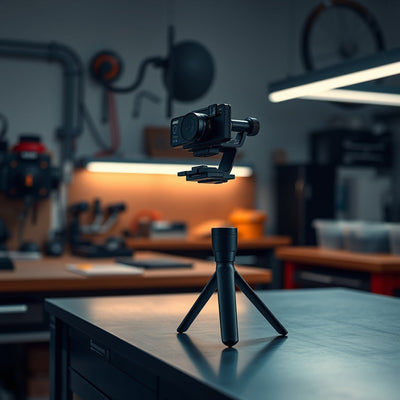
DJI Mic 3 Field Tests Show Hidden Mounting and Multi-Cam Audio Demand
A new field breakdown from DroneXL.co shows how the DJI Mic 3 is being used beyond standard shirt clips, including hidden car mounts, boom poles, and multi-camera audio setups. The tests point to broader accessory demand and practical workflow shifts for commercial video and drone-adjacent operators.

Quick answer
DroneXL.co published a field breakdown showing ten practical DJI Mic 3 mounting and recording techniques beyond the standard shirt clip, including hidden car and hat placements, boom pole use, 32-bit recorder workflows, and four mics across two cameras.
- The report highlights hidden mounting on a car mud flap and under a hat for discreet audio capture
- A boom pole setup and 32-bit recorder workflow point to production-grade use cases
- Four microphones across two cameras suggests growing multi-channel audio demand for small crews
- The techniques indicate accessory and workflow experimentation among commercial video operators
Evidence: DroneXL.co
DJI buying context
Match product news to hardware you can actually deploy.
Check inspected DJI aircraft, repair support, and trade-in timing before deciding whether to upgrade, repair, or wait.

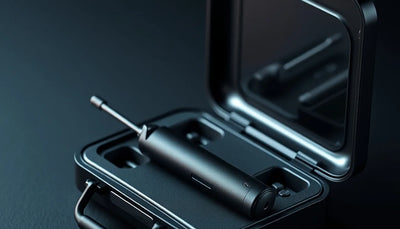
DroneXL.co published a detailed field breakdown on November 4, 2026, showing how content creator Jake Sloan has been testing the DJI Mic 3 in ten mounting and recording configurations that go well beyond the standard shirt clip. The report, which DroneXL.co assembled from Sloan's hands-on demonstrations, includes a hidden microphone placed on a car's mud flap, a concealed hat mount, a compact boom pole setup, a 32-bit recorder workflow, and a configuration running four microphones across two cameras simultaneously.
The central takeaway is not that the DJI Mic 3 has a single breakthrough feature, but rather that operators are actively stretching the hardware into production roles that were previously reserved for larger, more expensive audio kits. For commercial drone pilots who already carry compact camera equipment, the Mic 3 is becoming a bridge device that supports ground-based interviews, vehicle audio capture, and multi-camera shoots without requiring a separate audio department.
What the field tests actually show
According to the DroneXL.co report, Sloan's experiments demonstrate that the DJI Mic 3 can be mounted in locations that would be impractical or impossible for larger wireless microphone systems. The mud flap placement, for example, captures vehicle and road audio from a position close to the ground without requiring a dedicated automotive microphone rig. A hidden hat mount allows for discreet dialogue capture in situations where a visible lapel microphone would be distracting or inappropriate for the shot.
The boom pole test is particularly relevant for small production teams. Instead of running a traditional shotgun microphone through a separate recorder and cable system, the Mic 3 transmitter can be mounted at the end of a lightweight pole and paired wirelessly with the receiver. This reduces setup time and lets a single operator manage both camera and audio duties. The 32-bit recorder workflow mentioned in the source suggests that operators are using the Mic 3's onboard recording capability as a safety track, which is a common practice in professional audio but has historically required dedicated field recorders.
The four-microphone, two-camera configuration is the most commercially significant detail in the report. It indicates that the Mic 3 ecosystem can scale beyond a simple one-transmitter, one-receiver pairing, which matters for interview setups, event coverage, and multi-angle production work. DroneXL.co's coverage frames these as practical hacks, but the underlying pattern is clear: compact wireless audio is moving into workflows that were previously dominated by rack-mounted or bag-based systems.
Why accessory behavior signals market direction
When operators begin modifying how they mount and deploy a product, it often signals that the core hardware is capable enough to justify additional investment in accessories and workflow integration. The DroneXL.co report does not include pricing or official accessory announcements, but the described use cases imply demand for third-party mounting solutions, magnetic attachments, wind protection, and multi-unit charging or transport cases.
For drone-adjacent commercial operators, this matters because many already carry compact camera bags, gimbals, and small lighting kits. Adding a wireless audio system that can handle vehicle audio, hidden dialogue capture, and multi-camera recording reduces the need to rent or purchase separate audio equipment. The DJI Mic 3's apparent flexibility also makes it a candidate for drone pilots who are expanding into ground-based video production, real estate walkthroughs, agricultural site documentation, or inspection reporting where spoken commentary and ambient sound add commercial value to the final deliverable.
Reboot Hub analysis suggests that accessory experimentation of this kind tends to extend the useful life of the core product and increases the value of complete kits in the pre-owned market. Buyers who purchase a used DJI Mic 3 system may find that the transmitter and receiver alone are only part of the equation; the magnets, windshields, cables, and mounting hardware that accompany the original purchase often determine whether the kit is ready for production work or requires additional spending.
What this means for drone owners and the market
The DJI Mic 3 field tests covered by DroneXL.co have direct implications for how drone operators think about audio as part of their service offering. A pilot who currently delivers silent aerial footage can add ground-level interviews, vehicle sound, or narrated walkthroughs using the same compact equipment ecosystem they already trust from DJI. The hidden mounting options described in the report reduce the visual footprint of the microphone, which matters for clients who want clean, unobtrusive shots without visible audio gear.
Reboot Hub analysis: For fleet managers and multi-operator teams, the four-mic, two-camera workflow suggests that a single audio system can support parallel capture across different angles or subjects. This reduces the per-operator equipment burden and simplifies logistics for event coverage or multi-location shoots. The pre-owned DJI market is likely to see increased interest in complete Mic 3 kits that include all original mounting accessories, because the field-tested configurations depend on having the right magnetic attachments and wind protection available from day one. Operators evaluating pre-owned or OEM-pulled audio components can use the Drone Wiki to cross-reference compatibility and condition details before committing to a purchase.
There is also a repair and parts angle. Wireless microphone transmitters are subject to physical stress when mounted on vehicles, boom poles, or hats in outdoor environments. The mud flap placement described by DroneXL.co exposes the transmitter to road spray, vibration, and impact risk. Operators who push the hardware into these roles should expect accelerated wear on mounting magnets, clips, and windscreen foam. Having access to genuine OEM spare parts becomes more important when the equipment is deployed in non-standard positions that increase the chance of loss or damage. For owners evaluating service and lifecycle risk, Drone Wiki explains the relevant repair, parts, resale, or operational path.
The broader commercial audio shift
DroneXL.co's coverage of Sloan's tests is part of a larger pattern in the compact production market. Wireless audio systems that were once considered accessories to camera purchases are now being evaluated as standalone production tools with their own accessory ecosystems and workflow implications. The DJI Mic 3's ability to function as a hidden microphone, a boom-mounted capture device, and a multi-channel recorder means it competes not only with other clip-on wireless systems but also with entry-level field recorders and compact shotgun microphone setups.
For buyers, the practical question is whether the DJI Mic 3's flexibility justifies its position in a kit that may already include a drone, a handheld gimbal camera, and a compact action camera. The field tests suggest that the answer depends on how much ground-based audio work the operator expects to take on. A drone-only service provider may see limited value, while a full-service video operator who handles real estate, events, inspections, and client interviews will likely find the multi-role capability more compelling.
The source does not provide official compatibility details, firmware notes, or pricing, so operators should verify current specifications through DJI's official channels before making procurement decisions. What the DroneXL.co report does establish is that real-world users are finding creative ways to extend the hardware beyond its default use case, and that kind of behavior is often an early indicator of where accessory demand and resale value will move next.
FAQ
Frequently asked questions
What is the most significant finding in the DJI Mic 3 field tests?
The most commercially significant finding is that the DJI Mic 3 can support four microphones across two cameras simultaneously, which expands its role from a simple clip-on wireless system to a multi-channel audio solution for small production teams.
Should drone operators consider adding the DJI Mic 3 to their kit?
Operators who want to add ground-based interviews, vehicle audio, or narrated walkthroughs to their service offering may find the DJI Mic 3 useful, especially given the hidden mounting and boom pole configurations demonstrated in the DroneXL.co report.
How do these mounting tests affect pre-owned DJI Mic 3 value?
Reboot Hub analysis: Complete kits with original magnetic mounts, wind protection, and cables are likely to hold better pre-owned value because the field-tested configurations depend on having the full accessory set available for non-standard mounting positions.
Which sources support this update?
The visible evidence links identify DroneXL.co; each source is used only for the claim it directly supports.
What remains subject to change?
Retail pricing, availability, product bundles and regulatory timelines can change. Readers should verify the latest terms with the named retailer, manufacturer or regulator before acting.
How should buyers or operators use this analysis?
Use the verified facts as a starting point, then compare mission fit, lifecycle support, maintenance needs and current procurement terms before making a purchase or fleet decision.
Использованные источники
- DroneXL.co - primary source
На момент публикации дополнительная официальная документация отсутствовала.
Редакция Reboot Hub предоставляет анализ по вопросам покупки, ремонта, перепродажи и эксплуатации БПЛА для их владельцев. Если вы заметили ошибку, свяжитесь с нами для ее исправления в соответствии с нашей редакционной политикой.