US Marine Corps Releases Video of Drone Training in the Field
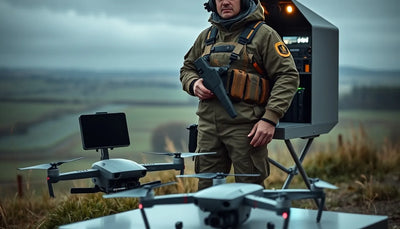
The US Marine Corps shared video footage showing how Marines train with drones in field conditions. The release offers commercial operators and defense-adjacent suppliers a rare look at how small unmanned systems are being integrated into routine military instruction and operational readiness.

Quick answer
The US Marine Corps published videos showing Marines training with drones in field conditions, according to a report from dronedj.com.
- The US Marine Corps shared video footage of drone training exercises
- The videos show small unmanned systems used in military field training
- The report appeared via dronedj.com through Google News DJI
- The release highlights growing military integration of small commercial-style drones
The US Marine Corps has released video footage showing what training with drones looks like in the field. The clips, reported by dronedj.com, offer a window into how small unmanned aerial systems are being folded into regular Marine Corps training routines rather than treated as niche or experimental equipment.
Fleet readiness
Keep DJI hardware available without overbuying new units.
Use defense and fleet news as a planning signal for repair support, inspected pre-owned aircraft, and replacement timing.

The release matters beyond the defense community. When a major military branch publicly showcases drone training, it signals confidence in the equipment, the training pipeline, and the operational role of small unmanned systems. For commercial operators, repair providers, and the pre-owned DJI market, that signal can shape expectations around demand, parts availability, and the long-term credibility of small drone platforms.
What the Marine Corps videos show
According to the report from dronedj.com, the US Marine Corps shared videos depicting Marines working with drones during training. The footage shows the technology being used in a field training context, which suggests the Corps is normalizing drone operation as a standard skill rather than a specialized assignment.
That distinction is important. When a military organization moves a technology from experimental units into routine training, it usually means the equipment has cleared a threshold of reliability, maintainability, and operational usefulness. For the broader drone market, that kind of institutional adoption can reinforce confidence in the underlying hardware category, including small multirotor platforms that share design DNA with commercial systems.
Reboot Hub analysis: the videos do not provide technical specifications, model names, or procurement details. Readers should treat the release as evidence of training integration, not as confirmation of any specific platform, contract, or capability.
Why military drone training visibility is a market signal
Public video releases from military branches are rarely accidental. They serve recruitment, public affairs, and deterrence messaging purposes. But they also create a secondary effect in the commercial drone ecosystem: they normalize the presence of small unmanned systems in professional workflows.
For fleet operators and drone buyers, military adoption patterns often foreshadow broader enterprise acceptance. Technologies that prove themselves in demanding field environments tend to gain credibility with civilian agencies, infrastructure operators, and security contractors. The Marine Corps footage, while limited in detail, reinforces the idea that small drones are now part of the standard toolkit for organized field operations.
That perception shift can influence procurement decisions far beyond the military. A logistics company evaluating drones for inspection work, a public safety agency building a pilot program, or an agricultural operator weighing fleet expansion may all read military training visibility as a signal that the technology has matured past the experimental phase.
What this means for drone owners and the market
The most direct commercial implication is for the pre-owned DJI market and the repair ecosystem that supports it. Military training programs consume equipment, generate wear, and create demand for spare parts and maintenance. While the Marine Corps videos do not identify specific platforms, the broader trend of military and government adoption of small commercial-style drones has historically tightened supply chains for batteries, propellers, gimbals, and airframe components.
For individual drone owners, that means repair lead times and parts availability can shift when institutional buyers are competing for the same OEM components. A buyer considering a pre-owned DJI drone should pay attention to whether the model they are evaluating shares parts with platforms favored by government or defense-adjacent users. When demand from institutional fleets rises, OEM-pulled parts and genuine OEM spare parts can become more valuable and harder to source quickly. The Drone Wiki can help owners understand which platforms share common components and what to expect from repair workflows.
Fleet managers should also consider the training angle. The Marine Corps footage suggests that small drone operation is becoming a baseline skill in professional organizations. For civilian fleets, that raises the bar for operator competence. A business that treats drone training as an afterthought may find itself behind organizations that have institutionalized recurring training, maintenance checks, and standardized operating procedures.
For repair customers, the takeaway is practical: institutional adoption of small drones tends to increase the value of well-maintained used equipment. A drone with documented service history, genuine OEM parts, and clean airframe condition becomes more attractive when demand from professional users is rising. Owners who keep their equipment in good repair are better positioned if they decide to sell into a market where institutional buyers are active. For owners evaluating service and lifecycle risk, Drone Wiki explains the relevant repair, parts, resale, or operational path.
The broader defense and commercial drone picture
The Marine Corps video release fits into a larger pattern of military organizations around the world integrating small unmanned systems into training and operations. While this report focuses on the United States, the underlying trend is global. Defense agencies, border security forces, and public safety organizations are all expanding their use of small drones for reconnaissance, situational awareness, and logistics.
For the commercial drone industry, this pattern has several consequences. First, it supports continued investment in small platform development, which benefits civilian users through trickle-down improvements in flight controllers, obstacle avoidance, and battery efficiency. Second, it increases the total addressable market for drone services and support, including repair, parts, and training. Third, it creates more competition for scarce components, which can affect pricing and availability for individual buyers.
Reboot Hub analysis: the source material does not include procurement figures, platform names, or training program details. Any specific claims about which drones the Marine Corps uses or how much the program costs would be unsupported. The commercially useful signal is directional, not granular.
Operators who want to act on this information should focus on fundamentals: maintain their equipment, document repairs, source genuine OEM parts when possible, and monitor whether institutional demand is affecting parts availability for their specific platform. The drone market is maturing, and military training visibility is one more indicator that small unmanned systems are becoming permanent infrastructure in professional operations.
FAQ
Frequently asked questions
What did the US Marine Corps release?
The US Marine Corps shared video footage showing Marines training with drones in field conditions, as reported by dronedj.com.
Does the video identify specific drone models?
The source report does not specify which drone models or platforms appear in the training footage. Readers should not infer any particular manufacturer or model from the release.
How does this affect commercial drone buyers?
Military training visibility signals broader institutional acceptance of small drones, which can influence parts demand, repair lead times, and the value of well-maintained pre-owned equipment in the commercial market.
Which sources support this update?
The article distinguishes reported information from analysis and does not present an unverified source as official confirmation.
What remains subject to change?
Retail pricing, availability, product bundles and regulatory timelines can change. Readers should verify the latest terms with the named retailer, manufacturer or regulator before acting.
How should buyers or operators use this analysis?
Use the verified facts as a starting point, then compare mission fit, lifecycle support, maintenance needs and current procurement terms before making a purchase or fleet decision.
Surse consultate
- dronedj.com via Google News - primary source
La momentul publicării, nu era disponibilă documentație oficială suplimentară.
Redacția Reboot Hub oferă analize privind achiziția, reparația, revânzarea și operarea pentru proprietarii de drone. Dacă observați o eroare, contactați-ne pentru revizuirea corecției conform politicii noastre editoriale.