Rare RQ-170 Squadron Details Surface in New Air Force Award
A rare Air Force award citation has revealed new operational details about the secretive 30th Reconnaissance Squadron and its RQ-170 Sentinel fleet. The disclosure offers defense analysts and commercial drone market watchers a glimpse into how classified unmanned programs shape procurement, sustainment, and the broader UAV supply chain.

Quick answer
A new award citation shared rare details about the 30th Reconnaissance Squadron, one of two known RQ-170 Sentinel units.
- The 30th Reconnaissance Squadron is one of two units known to operate RQ-170 Sentinel drones
- The award is a rare public disclosure about the squadron's activities
- The War Zone reported the details and noted how uncommon such visibility is
- The disclosure highlights how classified UAV programs influence defense procurement and sustainment planning
Evidence: The War Zone · Defense.gov official source
Fleet readiness
Keep DJI hardware available without overbuying new units.
Use defense and fleet news as a planning signal for repair support, inspected pre-owned aircraft, and replacement timing.

The U.S. Air Force has shared new details about the 30th Reconnaissance Squadron, one of only two units known to operate the classified RQ-170 Sentinel unmanned aircraft. The disclosure came through a newly published award citation and was reported by The War Zone, which noted that public information about this squadron's activities is exceptionally rare.
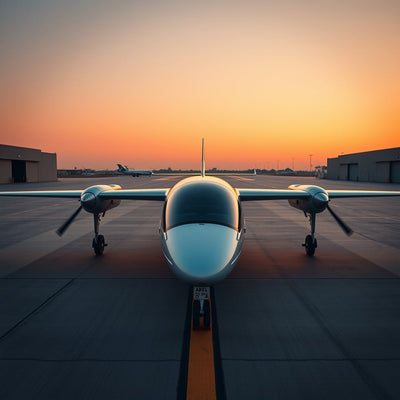
The RQ-170 Sentinel is a tailless flying-wing reconnaissance drone developed by Lockheed Martin's Skunk Works. It gained public attention after a well-documented loss in Iran in 2011 and has since remained one of the most closely guarded platforms in the U.S. unmanned inventory. The 30th Reconnaissance Squadron, based at Creech Air Force Base in Nevada, operates the type alongside the 44th Reconnaissance Squadron, according to the reporting.
For commercial drone operators, repair providers, and fleet planners, a development like this may seem distant from day-to-day operations. But classified military programs have historically shaped the broader unmanned aircraft ecosystem in ways that eventually reach the commercial market, from sensor miniaturization and secure data links to airframe materials and maintenance practices.
What the award reveals about the 30th Reconnaissance Squadron
The War Zone reported that the new award citation offers a rare window into the 30th Reconnaissance Squadron's activities. The squadron is one of two units known to fly the RQ-170, and details about its missions, personnel, and operational tempo are seldom released through official channels.
Award citations are a standard Air Force practice for recognizing unit or individual achievement, but when they involve classified platforms, the language is typically heavily redacted or kept broad. The fact that this citation surfaced with meaningful detail is notable. It suggests that even within tightly controlled information environments, sustainment, training, and operational support activities occasionally become visible through administrative records.
For defense analysts, this kind of disclosure is useful because it confirms that the RQ-170 remains an active, crewed-by-specialists program rather than a legacy platform in storage. The operational relevance of the Sentinel appears to persist, even as newer unmanned systems have entered service.
Why classified UAV programs matter to the wider drone market
Classified programs like the RQ-170 influence the commercial drone market in indirect but measurable ways. The engineering talent, manufacturing techniques, and component supply chains developed for low-observable unmanned aircraft often migrate into adjacent aerospace and defense programs. Over time, some of those capabilities inform commercial unmanned systems, particularly in areas such as autonomous navigation, secure communications, and advanced composite airframes.
The War Zone's reporting underscores how little is publicly known about the RQ-170's sustainment footprint. That opacity has commercial consequences. Defense contractors, parts suppliers, and maintenance providers that support classified programs operate under strict security and quality requirements. Those same firms frequently serve commercial and enterprise drone markets, which means their capacity, pricing, and lead times can be affected by classified work they cannot publicly discuss.
For fleet operators and procurement teams, this is a reminder that the aerospace supply chain is not neatly divided between military and civilian segments. A surge in classified unmanned aircraft sustainment can tighten availability of specialized components, skilled technicians, and even test range capacity. Monitoring public signals like award citations is one way to anticipate where defense demand may be pulling on shared resources.
What this means for drone owners and the market
The direct impact on individual drone owners is minimal, but the commercial signal is worth noting. When the Air Force publicly acknowledges sustainment activity for a classified platform, it confirms that long-running unmanned programs require continuous parts, maintenance, and engineering support. That demand flows through the same aerospace supplier base that supports commercial drone manufacturing and aftermarket services. For owners evaluating service and lifecycle risk, Drone Wiki explains the relevant repair, parts, resale, or operational path.
For operators who depend on pre-owned DJI drones and OEM-pulled parts, the connection is not about the RQ-170 itself but about how defense and commercial supply chains overlap. A healthy defense sustainment ecosystem can keep specialized suppliers financially stable, which benefits the broader unmanned parts and repair market. At the same time, periods of intense defense demand can shift supplier priorities. Buyers and fleet managers should track public procurement signals as one input into their planning. Readers evaluating the pre-owned drone market can find additional context in the Drone Wiki.
The RQ-170 story also reinforces a broader market trend: unmanned aircraft programs, whether classified or commercial, are increasingly judged by their sustainment economics. The ability to keep a platform flying over years or decades depends on spare parts availability, repair infrastructure, and trained technicians. That is as true for a secretive Air Force squadron as it is for a commercial drone fleet.
Procurement signals and what to watch next
The War Zone's report suggests that award citations and similar administrative records remain one of the few reliable public channels for tracking classified unmanned aircraft activity. Defense procurement databases, unit award announcements, and budget justification documents occasionally reveal sustainment contracts, training activity, or basing decisions even when operational details stay hidden.
For commercial market watchers, the practical takeaway is to treat these signals as early indicators of demand in the aerospace supply chain. When a classified program shows signs of sustained activity, it can influence component lead times, engineering labor availability, and even the pricing of specialized materials used across the unmanned sector.
Drone buyers, repair customers, and fleet operators do not need to follow every defense award. But understanding where military demand intersects with commercial supply chains can help with procurement timing, parts sourcing decisions, and long-term fleet planning. The RQ-170 disclosure is a small but meaningful data point in that larger picture.
FAQ
Frequently asked questions
What is the RQ-170 Sentinel?
The RQ-170 Sentinel is a tailless flying-wing unmanned reconnaissance aircraft developed by Lockheed Martin's Skunk Works. It is operated by the U.S. Air Force and has been associated with classified surveillance missions.
Why is the 30th Reconnaissance Squadron significant?
The 30th Reconnaissance Squadron is one of only two units known to operate the RQ-170 Sentinel. Public details about its activities are extremely rare, which makes the new award citation a notable disclosure.
How does this affect commercial drone operators?
The direct effect on commercial operators is limited, but the disclosure highlights how defense sustainment demand can influence the shared aerospace supply chain, including parts availability and supplier capacity for unmanned systems.
Which sources support this update?
The visible evidence links identify The War Zone and Defense.gov official source; each source is used only for the claim it directly supports.
What remains subject to change?
Retail pricing, availability, product bundles and regulatory timelines can change. Readers should verify the latest terms with the named retailer, manufacturer or regulator before acting.
How should buyers or operators use this analysis?
Use the verified facts as a starting point, then compare mission fit, lifecycle support, maintenance needs and current procurement terms before making a purchase or fleet decision.
Surse consultate
- The War Zone - primary source
- Defense.gov official source - official government source
Redacția Reboot Hub oferă analize privind achiziția, reparația, revânzarea și operarea pentru proprietarii de drone. Dacă observați o eroare, contactați-ne pentru revizuirea corecției conform politicii noastre editoriale.
Acest articol reprezintă un comentariu de piață destinat operatorilor și cumpărătorilor de drone, nu un sfat de investiții. Reboot Hub nu oferă consultanță financiară și nu recomandă tranzacții cu instrumente financiare.