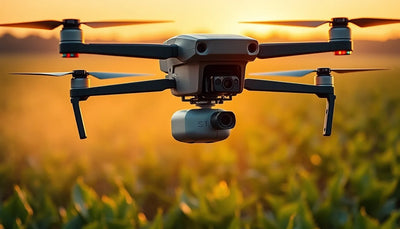
Police DJI M300 Fell 380 Feet After Arm Folded Mid-Flight
A UK police DJI M300 fell 380 feet onto a Nottinghamshire street after a motor arm folded. The AAIB says the force's checklist skipped the arms, raising questions for enterprise drone fleets, repair practices, and pre-owned DJI buyers.

Quick answer
A DJI M300 police drone fell 380 feet onto a Nottinghamshire street after a motor arm folded in flight, and the AAIB found the force's pre-flight checklist skipped the arms.
- The incident involved a DJI M300 operated by a UK police force
- The drone fell roughly 380 feet onto a Nottinghamshire street
- A motor arm folded during flight
- The AAIB said the force's checklist skipped the arms
Evidence: DroneXL.co
Fleet readiness
Keep DJI hardware available without overbuying new units.
Use defense and fleet news as a planning signal for repair support, inspected pre-owned aircraft, and replacement timing.

DroneXL.co reported on November 12, 2026, that a DJI M300 operated by a UK police force fell roughly 380 feet onto a Nottinghamshire street after a motor arm folded during flight. The Air Accidents Investigation Branch, commonly known as the AAIB, found that the force's pre-flight checklist skipped the arms, according to the report. The incident is now drawing attention from enterprise drone operators, repair customers, and anyone evaluating the condition of used DJI airframes.
The M300 is a workhorse platform in public safety and industrial fleets, so a structural failure of this kind carries weight beyond a single incident. The reported sequence points to a mechanical or procedural gap rather than a software or navigation fault. For commercial operators, that distinction matters because it shifts the focus toward inspection discipline, maintenance records, and the physical condition of folding arm assemblies.
What the AAIB report describes
The central reported development is straightforward. A DJI M300 police drone fell 380 feet onto a street in the West Bridgford area of Nottinghamshire after one of its motor arms folded. DroneXL.co attributes the account to AAIB findings and states that the force's checklist did not include the arms. That omission meant a critical structural component was not verified before the aircraft was put into service for the flight.
The report does not specify in the available source data whether the arm folding was caused by wear, prior damage, incomplete locking, or a part failure. Reboot Hub analysis would caution against assuming a single root cause. What the source does support is that the checklist skipped the arms, and that the aircraft fell from approximately 380 feet. Those two facts are enough to make this a meaningful case study for fleet managers who rely on folding-arm enterprise drones.
For police and public safety units, the operational pressure to launch quickly can create exactly this kind of gap. A checklist that covers batteries, propellers, firmware, and airspace authorization may still miss the mechanical interface where a folding arm locks into place. The AAIB finding, as reported, suggests the force's procedure did not include that step.
Why arm folding failures are a fleet-level concern
Folding motor arms are common on DJI enterprise platforms because they improve transportability. The trade-off is that every fold cycle introduces a mechanical hinge, a locking mechanism, and a potential failure point. If an arm is not fully seated, or if the locking mechanism has been damaged during transport, the aircraft can appear ready on the ground and then fail under load in flight.
For commercial operators, the practical lesson is that visual inspection of the arms should be treated as a mandatory pre-flight step, not an optional one. The reported incident involved a police force, but the same risk applies to inspection companies, survey teams, emergency response units, and any organization that transports drones between job sites. A drone that has been folded and unfolded dozens of times per week accumulates wear that may not be visible in a quick glance.
Repair shops and maintenance providers also have a stake in this story. When an M300 or similar folding-arm airframe comes in for service, the hinge and locking assembly should be examined even if the customer only requested a gimbal repair or a firmware update. The AAIB finding, as reported by DroneXL.co, reinforces that structural inspection is not a secondary concern.
What this means for drone owners and the market
The pre-owned DJI market is directly relevant here. Buyers evaluating a used M300 or similar enterprise platform often focus on battery cycles, flight hours, and cosmetic condition. This incident suggests that the folding arm assemblies deserve equal scrutiny. A pre-owned aircraft may have been transported frequently, folded and unfolded hundreds of times, or involved in a prior hard landing that weakened the locking mechanism without leaving obvious external damage. For owners evaluating service and lifecycle risk, Drone Wiki explains the relevant repair, parts, resale, or operational path.
For anyone researching DJI airframe issues, repair considerations, or pre-owned buying criteria, the Drone Wiki provides a reference point for understanding common failure modes and maintenance questions. The reported AAIB finding is a reminder that structural inspection belongs in every pre-purchase and pre-flight routine.
Fleet managers should review their own checklists after reading this report. If the checklist does not explicitly require the pilot or ground crew to confirm that each arm is fully extended and locked, that is a gap worth closing immediately. The cost of adding one line to a checklist is negligible compared with the liability and asset loss associated with a 380-foot fall onto a public street.
The second-hand market may also see increased scrutiny of folding-arm models. Buyers who previously accepted a seller's word that an aircraft was well maintained may now ask for maintenance records that specifically mention arm hinge inspection. Sellers who can document that their aircraft underwent structural checks may find it easier to justify pricing. The incident does not change the fundamental value of the M300 platform, but it does shift buyer attention toward mechanical integrity.
Operational changes worth making now
The most immediate operator-facing response is to audit pre-flight procedures. A checklist should include a physical check of each motor arm, including the locking mechanism and any visible wear around the hinge. The pilot should apply light pressure to confirm the arm is seated, and any resistance, play, or unusual movement should ground the aircraft until it can be inspected.
Repair customers should ask service providers to document arm and hinge condition on every intake, even for unrelated repairs. That creates a paper trail that supports resale value and reduces the chance of a latent structural issue going unnoticed. For police and public safety fleets, the procedural change is even more important because these aircraft often operate over people and public roads.
The reported incident does not indicate a widespread DJI defect. It points to a specific procedural omission in one force's checklist. However, the commercial drone industry treats every serious incident as a chance to tighten standards. The M300 remains a capable platform, but its folding-arm design demands disciplined inspection, particularly as aircraft age and change hands.
FAQ
Frequently asked questions
What happened to the police DJI M300 in Nottinghamshire?
According to DroneXL.co, a DJI M300 operated by a UK police force fell roughly 380 feet onto a Nottinghamshire street after a motor arm folded during flight. The AAIB found that the force's pre-flight checklist skipped the arms.
Should pre-owned DJI drone buyers worry about folding arms?
Buyers should inspect folding arm assemblies closely on any pre-owned DJI enterprise drone. The reported incident shows that a checklist omission or unnoticed mechanical wear can lead to in-flight failure, even on a professional platform like the M300.
What should fleet managers change after this incident?
Fleet managers should add an explicit motor arm and locking mechanism check to every pre-flight checklist. Pilots should confirm each arm is fully extended and seated, and any play or resistance should ground the aircraft for inspection.
Which sources support this update?
The visible evidence links identify DroneXL.co; each source is used only for the claim it directly supports.
What remains subject to change?
Retail pricing, availability, product bundles and regulatory timelines can change. Readers should verify the latest terms with the named retailer, manufacturer or regulator before acting.
How should buyers or operators use this analysis?
Use the verified facts as a starting point, then compare mission fit, lifecycle support, maintenance needs and current procurement terms before making a purchase or fleet decision.
Surse consultate
- DroneXL.co - primary source
La momentul publicării, nu era disponibilă documentație oficială suplimentară.
Redacția Reboot Hub oferă analize privind achiziția, reparația, revânzarea și operarea pentru proprietarii de drone. Dacă observați o eroare, contactați-ne pentru revizuirea corecției conform politicii noastre editoriale.