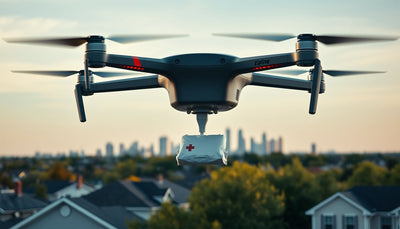
How Drones Are Saving Fawns in Germany’s Spring Mowing Season
Every spring in Germany, hidden fawns face mowing machines. Now drone pilots equipped with DJI aircraft are transforming rescue efforts, offering faster, safer field searches. This growing application signals new service opportunities for drone operators in agriculture and conservation.

Every spring across Germany, an invisible race begins between wildlife rescuers and mowing machines. Young fawns rely on a survival instinct that keeps them motionless in tall grass, making them nearly invisible to farmers preparing to cut their fields. For decades, teams of volunteers walked shoulder-to-shoulder through meadows, searching for hidden animals before the blades started turning. Now drones are dramatically changing that search, offering a faster, more effective method that reduces risk for both rescuers and the animals they are trying to protect.
This shift is not just a conservation success story. It represents a real-world validation of drone technology in a high-stakes operational environment, and it carries clear signals for anyone buying, selling, or maintaining commercial UAVs. The fawn rescue scenario demands reliable flight, stable imaging, and rapid data processing — exactly the qualities that fleet operators and second-hand buyers evaluate daily.
How drones are changing the rescue workflow

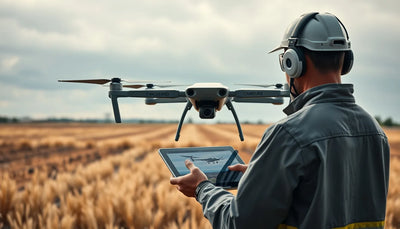
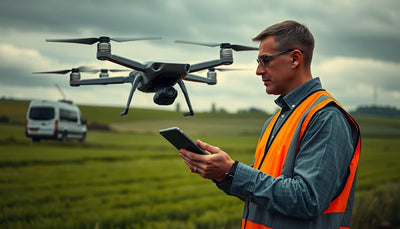
The source of this change is a collaboration between wildlife conservation groups and drone pilots — including those using DJI equipment — who now routinely fly over fields before mowing begins. Instead of relying solely on ground teams, rescuers launch drones that can cover a field in minutes, identify fawns from above, and guide ground teams to precise locations. The DroneDJ report, published on June 22, 2026, documents that this method has become a standard practice during Germany’s spring fawn season.
Market context
Turn market news into a buy, repair, or trade-in decision.
Compare pre-owned availability, resale timing, and repair economics before the market moves again.
For drone operators, the implication is clear: there is a growing, seasonal demand for aerial detection services in agricultural regions. This is not a niche hobbyist activity; it is a professional service that farmers and conservation groups are willing to pay for. Operators who already own a stable drone with a good camera can enter this market with relatively low additional investment — typically just training and coordination with local rescue groups.
The fawn rescue application also demonstrates a broader trend: drones are becoming essential tools for land management. Beyond just taking pretty videos, they provide measurable operational value — faster surveys, lower labor costs, and higher detection rates. This kind of proof point helps justify drone purchases to skeptical clients and budget holders.
The technology behind effective field detection

While the DroneDJ article does not specify exact drone models or sensor types, experienced wildlife rescue pilots commonly rely on drones with stable flight platforms, high-resolution cameras, and long battery endurance to scan expansive meadows quickly. The key requirement in fawn detection is the ability to fly low and slow while maintaining clear visual awareness of the ground. Any drone that meets those basic criteria can be useful, though models with superior optics and flight stability will naturally deliver better results.
This has a practical implication for buyers: if you are considering a drone for seasonal agricultural work, prioritize models that offer consistent flight performance and good camera quality. Do not assume you need the newest flagship. Many pre-owned DJI drones that are two to three years old can perform this task just as well as a brand-new unit, provided they have been properly maintained. For operators looking to expand their service offerings, inspecting a used drone’s camera and flight logs before purchase becomes an important step.
Furthermore, the shift from ground teams to drones highlights the value of reliable battery life and easy field-swappable batteries. A fleet that can keep multiple batteries charged and ready can cover many fields in a single morning. This operational reality affects fleet planning decisions, especially for small operators who may need to invest in additional batteries and chargers to meet seasonal demand.
What this means for drone buyers

For anyone in the market for a drone — whether new or pre-owned DJI drones — the fawn rescue use case offers a concrete reason to consider models that can handle real-world detection tasks. Buyers should not get distracted by flashy marketing specs that do not translate to field effectiveness. Instead, focus on flight time, camera stability, and ease of use in outdoor conditions.
The report out of Germany also reinforces a secondary market trend: as operators upgrade their fleets to access newer features like improved obstacle avoidance or longer transmission range, they often sell their older, capable drones. That creates opportunities for budget-conscious buyers to acquire a proven platform at a lower cost. However, buying a used drone requires careful inspection. Look at the airframe, gimbal, and camera for signs of wear. Check flight logs if possible. A well-maintained used drone can be a smart investment for a service that does not require bleeding-edge technology.
Another buyer consideration is repair readiness. Drones used in agricultural environments — especially low-altitude flights over fields — are exposed to dust, moisture, and occasional hard landings. Having access to professional DJI repair services with genuine OEM parts is critical to keeping a service drone operational. A single season of daily fawn rescues can put significant wear on motors, propellers, and camera assemblies. Operators should budget for maintenance and have a repair plan in place.
Finally, if you are a current drone owner thinking about upgrading your equipment, the end-of-season period after spring is often a good time to sell your older drone. Using a drone trade-in guide can help you understand the value of your current gear and decide whether an upgrade makes financial sense for the services you want to offer next year.
Broader implications for the drone service industry

The Germany fawn rescue example is part of a larger pattern: drones are moving from novelty gadgets to indispensable tools in agriculture, conservation, and land management. This shift affects not just individual pilots but entire supply chains. Fleet operators should watch for increasing demand from environmental agencies and farming cooperatives. That demand will drive repeat business and create opportunities for bundled service packages — for example, offering spring fawn detection alongside summer crop monitoring and autumn field surveys.
For the second-hand drone market, this trend reinforces the value of mid-range drones that are capable but not brand-new. These aircraft retain utility for years, especially if they have been well maintained. The availability of genuine OEM spare parts is a key factor in keeping older models in service longer, which supports a healthy pre-owned ecosystem. Operators who maintain their drones properly can expect solid resale value, while buyers can acquire capable platforms without paying a premium.
In summary, the fawn rescue story from Germany is more than a feel-good headline. It is a case study in how drones deliver concrete operational benefits, and it carries real lessons for anyone involved in buying, selling, repairing, or flying commercial UAVs. The technology is already here; the market is proving its value one field at a time.
What drone features are most important for fawn detection work?
Stable flight, good camera resolution, and sufficient battery endurance are the primary requirements. The drone must fly low and slow while providing clear imagery to the pilot. Models with longer flight times and reliable gimbal performance will be more effective.
How can I start offering wildlife rescue drone services in my area?
Contact local wildlife conservation groups and agricultural extension offices. Offer to demonstrate your drone’s capability in a small field test. Ensure you have proper insurance for commercial operations and consider partnering with a local rescue team to build trust.
Does the fawn rescue trend affect the pre-owned drone market?
Yes. As operators upgrade to newer models for specific features, capable older drones enter the second-hand market. These can be excellent for seasonal service work like fawn detection. Buyers should inspect flight logs and camera condition before purchasing a used drone.