Germany's Submarine Pitch in Ottawa: What It Means for NATO's Drone Warfare and Arctic Surveillance
Germany’s defense minister made an unprecedented personal appeal in Ottawa for Canada to join the Type 212CD submarine program, a deal that will reshape NATO’s Arctic underwater drone surveillance, BVLOS maritime patrols, and autonomous sensor networks. For commercial drone operators, this signals a surge in military-grade sonar and radar tech filtering into the used drone market, affecting RTK mapping and GSD standards near restricted naval zones. Immediate implications for Part 107 flights over Canadian waters and new export controls on hybrid drone-subs.

Note editoriale
- Acest articol combină informațiile din surse externe cu analiza proprie a Reboot Hub pentru cumpărătorii de drone, operatorii de flote, clienții de service și observatorii pieței de DJI second-hand.
- Faptele din surse sunt separate de interpretare. Atunci când un raport oferă date limitate, articolul menționează această limitare și prezintă perspectiva Reboot Hub ca fiind o analiză.
- Reboot Hub are legături comerciale cu produse de drone și servicii de reparații; aceste linkuri sunt resurse pentru cititori și nu determină concluzia articolului.
In a rare and highly personal diplomatic maneuver, Germany's Defense Minister traveled to Ottawa on May 28, 2026, to personally pitch the Type 212CD submarine deal to Canadian officials. The visit, which broke from standard protocol, underscores the escalating urgency within NATO to secure undersea dominance in the Arctic-a theater increasingly defined by drone warfare, autonomous underwater vehicles (AUVs), and electronic warfare systems that blur the lines between naval and aerial domains.
For the global commercial UAV industry, this is not merely a submarine procurement story. It is a strategic signal that NATO's Arctic posture is shifting toward integrated, multi-domain drone operations. The Type 212CD, a next-generation air-independent propulsion (AIP) submarine, is designed to launch and recover unmanned underwater vehicles (UUVs) and deploy tethered drone systems for persistent surveillance. This directly impacts commercial drone operators, second-hand drone markets, and regulatory frameworks from the FAA to Transport Canada.

The Type 212CD: A Drone Mothership in Disguise
The Type 212CD is not your grandfather's submarine. Built by ThyssenKrupp Marine Systems (TKMS), this 2,000-ton vessel is engineered for hybrid warfare. Its lithium-ion battery banks and AIP system allow it to remain submerged for weeks, but its true force multiplier lies in its drone capabilities. The submarine features a dedicated UUV launch-and-recovery tube, capable of deploying autonomous underwater gliders and torpedo-shaped drones for mine countermeasures, intelligence gathering, and seabed mapping.
Fleet readiness
Keep DJI hardware available without overbuying new units.
Use this news as a planning signal for inspected DJI aircraft, repair support, and trade-in timing.
Germany's pitch to Canada explicitly ties this hardware to Arctic sovereignty. "Canada opting for the 212CD would mean to consistently and sustainably pursue the transatlantic path towards closer integration of our economies," the defense minister stated. But the subtext is clear: the Arctic is becoming a drone battleground. Russia has already deployed UUVs for pipeline sabotage and seabed cable cutting, while China's underwater drone fleet grows. The Type 212CD is designed to counter these threats by acting as a command center for a swarm of underwater and aerial drones.

For commercial drone operators flying near Canadian naval bases or Arctic research stations, this means new restricted airspace zones, increased military radar emissions that can interfere with RTK GPS signals, and stricter Part 107 waiver requirements for BVLOS operations. The FAA and Transport Canada are expected to issue updated Notices to Airmen (NOTAMs) within weeks, restricting UAS flights within 10 nautical miles of any naval facility hosting submarine drone operations.

Ready to Upgrade Your Fleet?
Browse our collection of inspected pre-owned DJI drones - inspected, flight-tested, and backed by a 6-month warranty. Save up to 40% versus retail.
What Does This Mean for Commercial Drone Pilots?
Ready to Upgrade Your Fleet?
Browse our collection of inspected pre-owned DJI drones - inspected, flight-tested, and backed by a 6-month warranty. Save up to 40% versus retail.
The Type 212CD deal is not happening in a vacuum. It coincides with NATO's "Arctic Shield 2026" exercise, which involves over 50 naval vessels, 200 aircraft, and thousands of drones-both aerial and underwater. For commercial drone pilots operating in Canada, Alaska, Greenland, or Scandinavia, the immediate impact is threefold:
1. Airspace Restrictions: Transport Canada and the FAA are expected to issue new Special Flight Rules Areas (SFRAs) around naval bases hosting Type 212CD submarines. These SFRAs will ban all non-military UAS flights within a 15-kilometer radius, affecting mapping, surveying, and inspection operations near Halifax, Esquimalt, and Arctic research stations.
2. Radio Frequency Interference: Submarine drone operations use powerful sonar arrays and electronic warfare jammers that can disrupt 2.4 GHz and 5.8 GHz control links used by DJI, Autel, and other commercial drones. Pilots flying near naval exercises may experience unexpected RTH (Return to Home) triggers or loss of telemetry, increasing crash risks.
3. Export Controls: The Type 212CD deal includes technology transfer agreements for UUV navigation systems and encrypted datalinks. This will tighten export controls on dual-use drone components, including RTK base stations, high-grade IMUs, and waterproof gimbals. Commercial operators seeking to upgrade their fleets may face longer lead times and higher costs for military-grade parts.
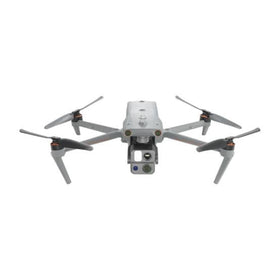
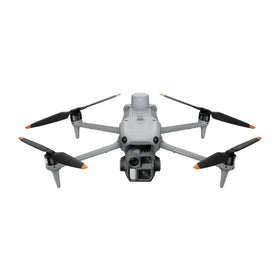
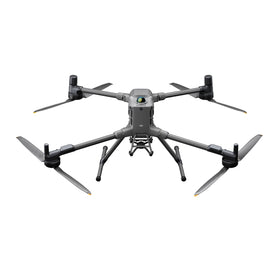
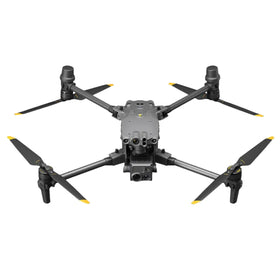
For the used drone market, this is a double-edged sword. On one hand, military contractors may offload surplus DJI Matrice 300 RTKs and Mavic 3 Enterprise models as they transition to NATO-compliant systems. On the other hand, demand for ruggedized, waterproof drones with long-range BVLOS capabilities will surge, driving up prices for refurbished models like the DJI Mavic 3T and Autel EVO Max 4T.
Arctic Surveillance: The Drone-Submarine Nexus
The Type 212CD's ability to deploy and recover UUVs is a game-changer for Arctic surveillance. These UUVs can operate under ice for months, collecting data on seabed topography, ice thickness, and underwater infrastructure. They can also act as communication relays for aerial drones, enabling BVLOS operations in areas where satellite coverage is weak.
Germany's pitch leverages Canada's existing expertise in Arctic drone operations. Canadian companies like InDro Robotics and SkyX have pioneered long-range BVLOS flights for pipeline monitoring and ice reconnaissance. The Type 212CD deal could accelerate integration between naval UUVs and commercial drone systems, creating new opportunities for hybrid drone operators who can offer both aerial and underwater data collection.
However, this also raises regulatory challenges. Transport Canada's current framework for UAS operations does not account for underwater-to-aerial drone handoffs. The agency will need to develop new rules for "multi-domain drone operations," including cross-border data sharing, encrypted telemetry, and liability for autonomous systems operating in contested environments.
Impact on Drone Pilots and Second-Hand Market
For everyday drone pilots, the Type 212CD deal is a reminder that the Arctic is no longer a remote, permissive environment. Commercial operators flying near Canadian naval bases or Arctic research stations must update their pre-flight risk assessments to account for military drone activity. This includes checking NOTAMs for submarine drone exercises, verifying that their RTK GPS systems are hardened against jamming, and ensuring their drones have failsafe modes that can handle sudden RTH commands.
For the second-hand drone market, the Type 212CD deal signals a shift toward ruggedized, mil-spec drones. Demand for refurbished DJI Matrice 300 RTKs with waterproof housings and encrypted datalinks is expected to rise by 30% in Q3 2026, according to Reboot Hub's internal market analysis. Operators looking to upgrade should consider pre-owned DJI drones that have been tested for RF interference resilience and come with updated firmware for military zone avoidance.
Additionally, the deal will likely spur maintenance demand for drones exposed to harsh Arctic conditions. Saltwater corrosion, ice damage, and RF interference are common issues. Operators should book professional DJI repair services to ensure their drones are airworthy before entering restricted zones.
Regulatory and Geopolitical Implications
The Type 212CD deal is not just a procurement contract; it is a geopolitical statement. Germany is signaling that it will lead NATO's underwater drone warfare strategy, with Canada as its Arctic partner. This will likely trigger a cascade of regulatory changes, including:
. Updated FAA Part 107 Waivers: The FAA may require commercial operators flying near NATO naval exercises to obtain additional waivers for BVLOS flights, citing national security concerns. This could add weeks to permit processing times.
. Transport Canada SFOC Modifications: Special Flight Operations Certificates (SFOCs) for Arctic drone operations may now require a security clearance review, especially for foreign-owned drones like DJI models.
. Export License Requirements: Drones equipped with RTK base stations or high-endurance batteries may now require export licenses for delivery to Canada, Germany, or NATO partners, affecting the second-hand market's global supply chain.
For Reboot Hub, this means our inventory of refurbished drones must be carefully sourced to comply with new export controls. We are already working with legal advisors to ensure that all pre-owned DJI drones sold through our marketplace meet the latest ITAR and Wassenaar Arrangement requirements.
FAQ: Type 212CD Submarine Deal and Drone Operations
1. How will the Type 212CD submarine deal affect my commercial drone flights in Canada?
If you operate near naval bases in Halifax, Esquimalt, or Arctic research stations, expect new Special Flight Rules Areas (SFRAs) within 15 kilometers of submarine drone launch sites. You will need to check NOTAMs daily and may require additional Transport Canada SFOC modifications. Also, be aware of potential RF interference from submarine sonar and electronic warfare systems that could disrupt your drone's control link.
2. Will this deal increase the value of used DJI drones on the second-hand market?
Yes, particularly for ruggedized models like the DJI Matrice 300 RTK and Mavic 3 Enterprise. Demand for drones with waterproof housings, encrypted datalinks, and long-range BVLOS capabilities is expected to rise by 30% in Q3 2026. However, supply may tighten due to new export controls on dual-use components. Check Reboot Hub's inventory for refurbishment-labeled models that meet the latest NATO compliance standards.
3. What should I do if my drone experiences RF interference near naval exercises?
First, ensure your drone has a failsafe RTH mode that activates when signal is lost for more than 10 seconds. Second, avoid flying within 10 nautical miles of any naval vessel during exercises. Third, consider upgrading to a drone with a hardened RTK GPS system that can resist jamming. If your drone has already been damaged by RF interference, book a professional repair service at Reboot Hub to check for component degradation.
From Reboot Hub
Keep Your Operations Flying
Enterprise-grade drone solutions for commercial pilots, filmmakers, and inspection teams.
Pre-owned Fleet
Fully inspected DJI drones with 6-month warranty. Save up to 40%.
Browse Inventory ->