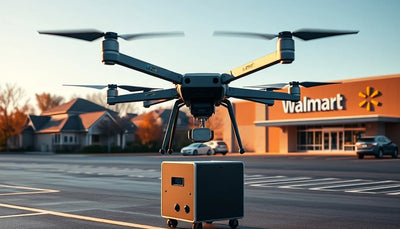
Fortem and MBDA Expand Counter-Drone Defense Partnership in Europe
SUAS News reports that Fortem Technologies and MBDA are expanding their strategic agreement to integrate DroneHunter and FireThorn into European and allied air defense systems. The move signals growing demand for autonomous counter-UAS protection among government and defense buyers.

Quick answer
SUAS News reports that Fortem Technologies and MBDA are expanding their partnership to integrate DroneHunter and FireThorn counter-drone systems into European and allied air defense programs.
- Fortem Technologies and MBDA are expanding an existing strategic agreement.
- The partnership covers DroneHunter and FireThorn counter-drone systems.
- The focus is European and allied defense and government customers.
- The report comes from SUAS News, a commercial UAV industry publication.
Evidence: SUAS News · AeroVironment unmanned systems solutions · FAA UAS official guidance · Defense.gov official source
Fleet readiness
Keep DJI hardware available without overbuying new units.
Use defense and fleet news as a planning signal for repair support, inspected pre-owned aircraft, and replacement timing.

SUAS News reported this week that Fortem Technologies and MBDA are expanding their strategic agreement to build autonomous counter-drone protection into European and allied air defense programs. The reporting indicates that defense and government customers will be able to integrate Fortem's DroneHunter and FireThorn systems into broader air defense architectures.
The announcement matters beyond the defense sector. Counter-UAS procurement has become one of the fastest-moving commercial signals in the drone industry, affecting how regulators, enterprise buyers, and even consumer operators think about airspace access, detection, and mitigation. When established European defense players deepen ties with specialized counter-drone firms, it usually reflects a structural shift rather than a one-off contract.
The reported agreement and what it covers
According to SUAS News, the expanded partnership enables defense and government customers to integrate Fortem's DroneHunter and FireThorn systems into European and allied air defense environments. Fortem Technologies is known for autonomous interceptor drones and radar-guided counter-UAS hardware, while MBDA brings established relationships across European defense procurement and missile systems integration.
The source summary does not specify contract values, delivery timelines, or the exact number of systems involved. Reboot Hub analysis suggests that the absence of those details is typical for early-stage strategic agreements in defense, where program specifics often remain restricted. What the report does make clear is that the collaboration is moving beyond initial evaluation into a broader integration posture.
For commercial drone operators, the practical implication is that European airspace authorities and defense buyers are treating counter-drone capability as a permanent layer of national security infrastructure. That posture tends to influence civilian drone policy over time, particularly around geofencing, flight restrictions near sensitive sites, and operator identification requirements.
Why European counter-UAS demand is rising
The SUAS News report frames the Fortem-MBDA expansion within a wider push to protect European and allied air defenses. That framing aligns with a multi-year trend in which European governments have increased spending on counter-drone detection and neutralization after repeated incidents involving unauthorized drones near airports, military installations, and critical infrastructure.
Reboot Hub analysis points to three commercial consequences. First, defense primes such as MBDA are absorbing specialized counter-UAS technology rather than building everything in-house, which suggests that nimble drone-hardware firms can still capture meaningful defense revenue. Second, the procurement cycle for counter-UAS systems is becoming more standardized, which may eventually create clearer compliance expectations for civilian operators flying near protected zones. Third, sustained defense investment in drone detection tends to accelerate the development of remote identification and tracking standards that eventually reach consumer and enterprise drone markets.
What this means for drone owners and the market
For commercial drone buyers, fleet operators, and repair customers, the Fortem-MBDA expansion is a leading indicator rather than an immediate operational change. Defense counter-UAS programs rarely alter civilian flight rules overnight, but they do shape the regulatory conversation in Europe and among allied governments. Operators who fly near ports, energy infrastructure, government buildings, or military-adjacent airspace should expect continued tightening of detection and mitigation expectations.
The pre-owned DJI market is not directly affected by this specific announcement, but the broader counter-drone environment matters for resale value and fleet planning. When European authorities expand counter-UAS infrastructure, enterprise buyers often reassess whether their existing airframes meet evolving remote identification and tracking expectations. That can shift demand toward newer models with stronger compliance features and away from older units that may face operational limitations near protected areas. For operators and buyers evaluating pre-owned DJI drones or planning repair and maintenance budgets, the practical takeaway is to monitor European counter-drone policy signals closely. Reboot Hub maintains a Drone Wiki that operators can use as a reference point for tracking how defense and regulatory developments intersect with civilian drone ownership and maintenance decisions. For owners evaluating service and lifecycle risk, Drone Wiki explains the relevant repair, parts, resale, or operational path.
Fleet managers should treat this announcement as a reminder that counter-UAS capability is becoming a standard component of national air defense planning. That does not mean civilian drones are being banned, but it does mean that the airspace environment in Europe is becoming more monitored, more structured, and more sensitive to unauthorized flight activity. Operators who stay ahead of that curve will face fewer compliance surprises.
What to watch next
Reboot Hub analysis: The most important follow-up signals will be procurement announcements, integration milestones, and any public statements from European defense ministries about counter-drone requirements. SUAS News is likely to remain a useful primary source for updates on this partnership, given its coverage of the commercial UAV and defense sectors.
Reboot Hub analysis suggests watching three areas. First, whether the Fortem-MBDA agreement produces named customer programs or remains a framework-level collaboration. Second, whether European regulators introduce new counter-drone testing or certification standards that could eventually apply to civilian drone manufacturers. Third, whether similar partnerships emerge between counter-UAS specialists and defense primes in other regions, which would confirm that autonomous drone defense is becoming a global procurement category.
FAQ
Frequently asked questions
What did Fortem Technologies and MBDA announce?
SUAS News reported that the two companies are expanding their strategic agreement to integrate Fortem's DroneHunter and FireThorn systems into European and allied air defense programs for defense and government customers.
Does this announcement affect commercial drone operators?
There is no immediate operational change for civilian operators, but expanded counter-UAS infrastructure in Europe typically leads to tighter airspace monitoring and stronger compliance expectations over time.
Should drone buyers change their purchasing plans because of this news?
Not directly. However, fleet managers and buyers should monitor European counter-drone policy signals, since evolving remote identification and tracking standards can influence which airframes retain strong operational value.
Which sources support this update?
The visible evidence links identify SUAS News and AeroVironment unmanned systems solutions and FAA UAS official guidance and Defense.gov official source; each source is used only for the claim it directly supports.
What remains subject to change?
Retail pricing, availability, product bundles and regulatory timelines can change. Readers should verify the latest terms with the named retailer, manufacturer or regulator before acting.
How should buyers or operators use this analysis?
Use the verified facts as a starting point, then compare mission fit, lifecycle support, maintenance needs and current procurement terms before making a purchase or fleet decision.
Surse consultate
- SUAS News - primary source
- AeroVironment unmanned systems solutions - official company source
- FAA UAS official guidance - official regulator source
- Defense.gov official source - official government source
Redacția Reboot Hub oferă analize privind achiziția, reparația, revânzarea și operarea pentru proprietarii de drone. Dacă observați o eroare, contactați-ne pentru revizuirea corecției conform politicii noastre editoriale.