Elroy Air Chaparral completes first pilot-free FAA-authorized flights
Elroy Air says its Chaparral heavy-cargo aircraft has completed the first fully autonomous, uncrewed flights authorized under the FAA's eVTOL Integration Pilot Program. The milestone moves commercial pilotless cargo operations closer to real-world logistics deployment across the US.

Quick answer
Elroy Air says it has completed the first fully autonomous, uncrewed flights authorized under the FAA's eVTOL Integration Pilot Program using its Chaparral cargo aircraft.
- The flights were reported by DroneDJ on September 8, 2026
- The milestone involved pilot-free operation under FAA oversight
- The Chaparral is a heavy-cargo aircraft aimed at logistics missions
- The company says the achievement moves it closer to real-world US cargo deployment
Evidence: DroneDJ · FAA UAS official guidance
Operator checklist
Turn policy news into a safer fleet decision.
Before changing aircraft, compare repair paths, available DJI inventory, and trade-in timing against the rule change.

California-based Elroy Air says it has completed the first fully autonomous, uncrewed flights authorized under the Federal Aviation Administration's eVTOL Integration Pilot Program, according to a report published by DroneDJ on September 8, 2026. The reported flights represent a regulatory milestone for heavy-cargo drone operations in the United States, where pilotless commercial aviation has remained tightly constrained even as smaller drone delivery trials have expanded.
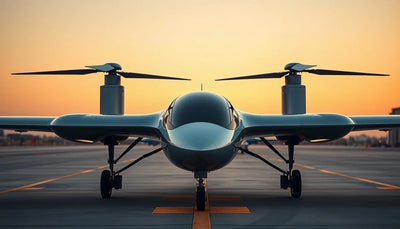
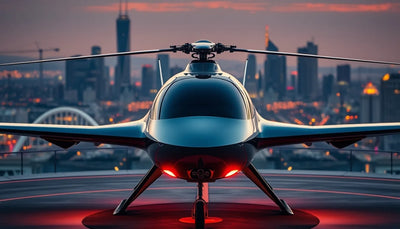
The Chaparral aircraft sits in a different category from the small multirotor delivery drones most operators encounter today. It is designed for heavy cargo logistics, with a hybrid lift-and-cruise configuration and a detachable cargo pod concept. While DroneDJ's report does not include detailed technical specifications, the operational framing is clear: Elroy Air is positioning the Chaparral for real-world freight missions rather than consumer parcel drops or inspection work. That distinction matters for how the commercial drone market absorbs this news.
The regulatory context behind the flight
The FAA's eVTOL Integration Pilot Program, referenced in the DroneDJ report as the framework for these flights, is the key regulatory vehicle here. The program is structured to allow select manufacturers to test and validate electric vertical takeoff and landing aircraft under federal oversight before broader commercial certification. According to the source, Elroy Air's flights were authorized under this program specifically because they were fully autonomous and uncrewed, which is not the default posture for most eVTOL testing.
For commercial drone operators, the significance is not that a cargo aircraft flew without a pilot on board. That has happened in controlled test environments before. The significance is that the FAA authorized it under a named integration program, with the explicit framing that this moves Elroy Air closer to deploying the Chaparral for logistics missions across the country. Regulatory authorization of pilotless heavy-cargo flight is a different threshold than a manufacturer self-reported test flight, and the source presents this as a milestone precisely because of the FAA oversight element.
Reboot Hub analysis: the practical implication is that the FAA is now visibly exercising a pathway for autonomous cargo aircraft that exceed the small UAS weight classes most commercial operators work within. If that pathway matures, it could eventually shift how freight, medical logistics, and regional supply chains think about air transport. But the source does not provide a timeline, certification status, or operational scope beyond the reported flights, so procurement planners should treat this as an early regulatory signal rather than an imminent commercial service.
What this means for drone owners and the market
For most drone buyers and fleet operators reading this, the Chaparral is not a product they will purchase or repair. It is not a DJI-class aircraft, it is not sold through consumer or prosumer channels, and it does not compete with the pre-owned DJI market directly. But the regulatory precedent matters indirectly. When the FAA authorizes pilotless heavy-cargo flights under a named program, it signals that the agency is building repeatable compliance pathways for autonomous aircraft. Those pathways tend to filter down into training requirements, airspace access rules, and operator certification expectations that affect smaller commercial drone work as well.
The pre-owned DJI market is more sensitive to regulatory shifts than many buyers assume. If autonomous cargo operations expand, demand for skilled visual observers, maintenance technicians, and ground support personnel rises, which changes the economics of fleet ownership. Operators who currently fly inspected pre-owned DJI aircraft for mapping, inspection, or agricultural work may find new adjacent revenue in logistics support, ground infrastructure, or sensor payload maintenance as heavy cargo programs scale. For repair customers, the relevant signal is that the commercial drone service economy is broadening beyond camera drones and small enterprise platforms. The skills and parts supply chains that support professional DJI repair today may need to evolve as heavier autonomous systems enter service, and operators who understand the regulatory arc will be better positioned than those who treat this as a distant aerospace story. Readers tracking the broader drone service and ownership landscape can reference the Drone Wiki for context on how commercial drone categories and regulatory terms connect. For owners evaluating service and lifecycle risk, Drone Wiki explains the relevant repair, parts, resale, or operational path.
The source does not report any pricing, payload figures, range data, or commercial launch dates for the Chaparral. Fleet managers should avoid drawing procurement conclusions from a single reported flight milestone. What they can reasonably do is monitor whether the FAA expands the eVTOL Integration Pilot Program to additional manufacturers, whether Elroy Air publishes follow-up operational data, and whether logistics companies announce pilot programs tied to the Chaparral. Those would be the next concrete signals that this regulatory milestone is translating into commercial demand.
Why heavy cargo autonomy is a different market signal
Small drone delivery has already moved from novelty to limited commercial service in several US markets, but those operations typically involve lightweight payloads, short routes, and aircraft that fall well within existing small UAS rules. The Chaparral, as described by DroneDJ, is aimed at a heavier class of cargo mission. That changes the regulatory calculus, the insurance profile, the maintenance burden, and the infrastructure requirements. A pilotless aircraft carrying meaningful freight weight over longer distances is not an incremental step from a delivery quadcopter; it is a different operational category.
For commercial operators, the takeaway is that autonomous aviation is bifurcating. One track is the small, low-altitude, short-range delivery market that has matured quickly. The other track is heavier cargo aircraft that require FAA integration programs, dedicated ground infrastructure, and a longer certification runway. The second track is where Elroy Air is operating, and the reported flights suggest that track is now producing visible regulatory results. That does not mean operators should expect heavy autonomous cargo aircraft in routine service next year, but it does mean the regulatory machinery is moving.
The source report frames the achievement as a step toward real-world logistics missions across the country. That is a meaningful claim, but it is also a forward-looking one. Reboot Hub analysis suggests readers should weigh it accordingly: the flights happened, the FAA authorization is the reported fact, and the commercial deployment remains a stated ambition rather than a confirmed schedule. For procurement teams, that distinction is the difference between watching a market and budgeting for it.
What operators should watch next
The most useful operator-facing question after this news is simple: what should a buyer, pilot, repair customer, or fleet manager do differently? The answer is not to buy anything or change any aircraft today. The answer is to add heavy-cargo autonomy to the regulatory watchlist. If the FAA continues to authorize pilotless flights under the eVTOL Integration Pilot Program, and if logistics companies begin attaching their names to those programs, the commercial drone economy will shift in ways that affect training demand, airspace access, and service pricing across the sector.
For repair and maintenance businesses, the signal is structural. Heavy autonomous cargo aircraft require ground support infrastructure, spare parts logistics, and inspection workflows that do not yet exist at commercial scale. The companies that build those capabilities early will be positioned for a service market that extends well beyond consumer and prosumer drones. For pre-owned DJI buyers, the practical implication is more subdued: the regulatory environment for commercial drones is becoming more sophisticated, and operators who stay informed about FAA integration programs will make better long-term fleet decisions than those who focus only on hardware specs.
The DroneDJ report does not include official confirmation from the FAA beyond the program framing, and it does not provide independent verification of flight details. Readers should treat the central development as a company-reported milestone covered by a specialist drone publication. That is a reasonable basis for market analysis, but it is not the same as a completed certification or an operational commercial service. The next verifiable milestones to watch are FAA documentation related to the eVTOL Integration Pilot Program, Elroy Air's own operational disclosures, and any logistics partner announcements that reference the Chaparral by name.
FAQ
Frequently asked questions
What did Elroy Air report about the Chaparral flights?
According to DroneDJ, Elroy Air says it completed the first fully autonomous, uncrewed flights authorized under the FAA's eVTOL Integration Pilot Program using its Chaparral cargo aircraft. The company frames the flights as a step toward deploying the aircraft for logistics missions across the United States.
Does this mean autonomous heavy-cargo drones are now approved for commercial use?
No. The reported flights occurred under an FAA integration program, which is a testing and validation pathway, not a blanket commercial certification. The source does not report a commercial launch date, certification status, or operational deployment schedule for the Chaparral.
How does this affect pre-owned DJI drone owners and repair customers?
The direct impact is limited, since the Chaparral is a heavy-cargo aircraft that does not compete with DJI-class drones. The indirect impact is regulatory: as FAA pathways for autonomous cargo mature, the commercial drone service economy expands, which can shift demand for maintenance skills, ground support roles, and fleet planning across the sector.
Which sources support this update?
The visible evidence links identify DroneDJ and FAA UAS official guidance; each source is used only for the claim it directly supports.
What remains subject to change?
Retail pricing, availability, product bundles and regulatory timelines can change. Readers should verify the latest terms with the named retailer, manufacturer or regulator before acting.
How should buyers or operators use this analysis?
Use the verified facts as a starting point, then compare mission fit, lifecycle support, maintenance needs and current procurement terms before making a purchase or fleet decision.
Surse consultate
- DroneDJ - primary source
La momentul publicării, nu era disponibilă documentație oficială suplimentară.
Redacția Reboot Hub oferă analize privind achiziția, reparația, revânzarea și operarea pentru proprietarii de drone. Dacă observați o eroare, contactați-ne pentru revizuirea corecției conform politicii noastre editoriale.