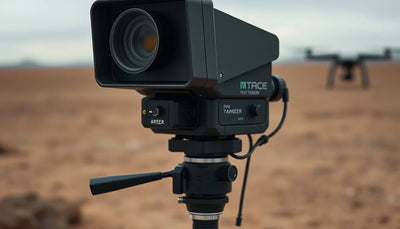
DoorDash Doubles Down on In-House Drone Delivery Ecosystem
DoorDash is moving deeper into its own drone delivery ecosystem, according to industry reporting. The shift points to growing commercial appetite for autonomous last-mile logistics and raises fresh questions for operators watching fleet, repair, and resale dynamics.

Quick answer
DoorDash is committing more deeply to its own drone delivery ecosystem, according to a DroneDJ report, signaling stronger commercial investment in autonomous last-mile logistics.
- DoorDash is prioritizing in-house drone delivery development
- The move reflects broader commercial drone logistics momentum
- Operators should track how delivery networks shape drone demand
- Repair and parts markets may see new fleet service patterns
DoorDash is going all-in on its own drone delivery ecosystem, according to a recent report from DroneDJ. The development marks another step in the company's broader push to control more of its last-mile logistics stack rather than relying solely on third-party drone partners or pilot programs.
Market context
Turn market news into a buy, repair, or trade-in decision.
Compare pre-owned availability, resale timing, and repair economics before the market moves again.

For commercial drone operators, fleet buyers, and service providers, the news matters less as a single corporate announcement and more as a signal. When a major delivery platform invests in proprietary drone infrastructure, it tends to accelerate conversations around airspace access, vehicle reliability, maintenance workflows, and the secondary market for drone hardware.
The reported shift at DoorDash
The DroneDJ report frames the move as a deepening commitment by DoorDash to build and operate its own drone delivery capabilities. While the source does not provide granular operational details such as fleet size, vehicle models, or launch locations, the central development is clear: DoorDash is prioritizing internal drone delivery development as part of its logistics strategy.
This is a meaningful distinction. Many delivery platforms have tested drone delivery through partnerships with dedicated drone operators or hardware vendors. A decision to go all-in on an in-house ecosystem suggests a longer-term view of drone delivery as core infrastructure rather than an experimental side channel. For the commercial drone sector, that kind of commitment can influence supplier relationships, service expectations, and how delivery networks think about uptime and repair.
Why delivery ecosystems shape commercial drone demand
Delivery drone networks operate differently from single-unit commercial drone programs. They require continuous flight cycles, standardized maintenance intervals, spare parts availability, and rapid turnaround when vehicles are grounded. Even without confirmed fleet specifications from the DoorDash report, the operational logic is well understood across the logistics drone segment.
Reboot Hub analysis suggests that as delivery platforms scale proprietary drone operations, they create downstream pressure on parts supply and repair capacity. Vehicles flying frequent, predictable routes accumulate wear faster than occasional-use commercial drones. That dynamic matters for anyone managing a fleet, sourcing OEM-pulled parts, or evaluating the long-term cost of keeping delivery hardware in service.
What this means for drone owners and the market
The DoorDash development is not directly about DJI hardware, but it still carries implications for the pre-owned DJI market and the broader commercial drone economy. When large logistics players expand drone operations, they normalize drone activity in populated areas, build public familiarity, and often push regulators to clarify rules around routine commercial flights. Those shifts can benefit smaller operators who fly similar airspace or serve adjacent delivery and inspection roles.
For individual drone buyers and small fleet managers, the practical takeaway is to watch how delivery network expansion affects parts availability and service demand. As more commercial vehicles fly daily, repair shops and parts suppliers may adjust inventory priorities. Operators who rely on professional DJI repair and genuine OEM spare parts can find useful context in the Drone Wiki when planning maintenance budgets or evaluating pre-owned equipment for commercial use. For owners evaluating service and lifecycle risk, Drone Wiki explains the relevant repair, parts, resale, or operational path.
The pre-owned market also responds to shifts in commercial confidence. When enterprise drone activity grows, more operators enter the market, some upgrade their hardware, and inspected pre-owned units become a practical entry point for smaller businesses. The DoorDash news alone will not reprice the market, but it adds to a pattern of sustained commercial interest in drone logistics.
What operators should watch next
Drone delivery remains a capital-intensive segment with real operational hurdles. Weather limits, payload constraints, airspace approvals, and vehicle reliability all affect how quickly any proprietary network can scale. The DroneDJ report does not resolve those questions, and operators should treat the DoorDash move as a directional signal rather than proof of immediate nationwide expansion.
Still, the commercial logic is worth tracking. If DoorDash continues investing in its own drone ecosystem, it may influence how other delivery platforms think about build-versus-partner decisions. That could reshape demand for drone services, maintenance support, and the secondary market for commercial-grade hardware over the next several years.
FAQ
Frequently asked questions
Is DoorDash building its own drones?
According to the DroneDJ report, DoorDash is deepening its commitment to its own drone delivery ecosystem, though specific hardware details were not provided in the source.
Does this affect DJI drone buyers?
Not directly. The news involves a delivery platform's logistics strategy, but broader commercial drone growth can influence parts availability, repair demand, and the pre-owned market over time.
What should fleet operators do differently?
Fleet managers should monitor how delivery network expansion affects service capacity and parts supply, and plan maintenance budgets with the expectation that commercial drone flight cycles will continue rising.
Which sources support this update?
The article distinguishes reported information from analysis and does not present an unverified source as official confirmation.
What remains subject to change?
Retail pricing, availability, product bundles and regulatory timelines can change. Readers should verify the latest terms with the named retailer, manufacturer or regulator before acting.
How should buyers or operators use this analysis?
Use the verified facts as a starting point, then compare mission fit, lifecycle support, maintenance needs and current procurement terms before making a purchase or fleet decision.
Surse consultate
- dronedj.com via Google News - primary source
La momentul publicării, nu era disponibilă documentație oficială suplimentară.
Redacția Reboot Hub oferă analize privind achiziția, reparația, revânzarea și operarea pentru proprietarii de drone. Dacă observați o eroare, contactați-ne pentru revizuirea corecției conform politicii noastre editoriale.