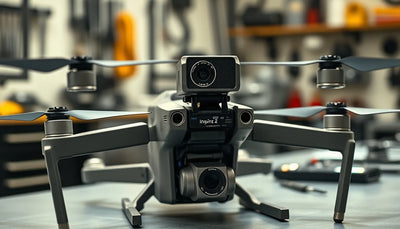
Dixie Aerial Launches COMPASS Mission Planning Software for DJI
Dixie Aerial has introduced COMPASS, a mission planning software aimed at DJI operators. The launch signals continued third-party investment in DJI workflow tools, with potential implications for fleet planning, operator training, and the broader pre-owned DJI equipment market.

Quick answer
Dixie Aerial has launched COMPASS, a mission planning software product positioned for DJI drone operators, according to DroneXL reporting.
- Dixie Aerial is the named developer behind COMPASS
- The software is described as mission planning software for DJI
- DroneXL is the primary reporting source
- No official compatibility or pricing details were included in the source data
Dixie Aerial has introduced COMPASS, a mission planning software product aimed at DJI drone operators, according to a report published by DroneXL and surfaced through Google News DJI. The launch represents another third-party software entry into the DJI ecosystem, a space that continues to attract developers building workflow tools around the dominant commercial drone platform.
DJI buying context
Match product news to hardware you can actually deploy.
Check inspected DJI aircraft, repair support, and trade-in timing before deciding whether to upgrade, repair, or wait.

The announcement matters because mission planning software has become a practical consideration for commercial operators managing repeatable flights, mapping jobs, inspections, and multi-site operations. When a new planning tool enters the market, fleet managers and independent pilots typically evaluate whether it reduces setup time, improves route consistency, or integrates cleanly with existing hardware. Reboot Hub analysis suggests that software launches like this can also influence how operators think about hardware lifecycles, since workflow investments often extend the useful life of existing airframes.
What the source actually reports
DroneXL, the primary reporting source for this development, identifies Dixie Aerial as the company behind COMPASS and describes the product as mission planning software for DJI. The source summary does not include detailed technical specifications, compatibility lists, pricing, launch dates, or official statements from Dixie Aerial or DJI. This is a source-limited report, which means the central development should be attributed directly to DroneXL rather than presented as a jointly confirmed announcement.
For operators, the absence of detailed specifications in the initial report is not unusual. Early software announcements often focus on the product name, the developer, and the intended audience before full feature documentation becomes available. Commercial buyers evaluating COMPASS should treat the current information as an early signal rather than a complete procurement dossier. The practical takeaway is that another planning option appears to be entering the DJI workflow space, and operators should watch for verified compatibility and feature details before making any purchasing or training decisions.
Why third-party planning tools keep targeting DJI
The DJI platform remains a central anchor for commercial drone operations across mapping, inspection, agriculture, and public safety. Third-party developers continue to build planning, data processing, and fleet management tools around DJI hardware because the installed base is large and the operational workflows are well understood. A new mission planning product from a company like Dixie Aerial fits a pattern of software vendors seeking to capture value from operators who already own DJI aircraft and need better planning efficiency.
This pattern has a direct connection to the pre-owned DJI market. When software tools extend the operational usefulness of existing airframes, operators may feel less pressure to replace hardware on short cycles. A reliable mission planning workflow can make an older but well-maintained DJI airframe remain productive for mapping or inspection work, which supports demand for inspected pre-owned DJI drones and genuine OEM spare parts. Reboot Hub analysis views software ecosystem investment as a stabilizing force for hardware resale value, because it signals that the platform remains commercially relevant beyond the initial purchase.
What this means for drone owners and the market
For individual drone owners and small commercial operators, a new mission planning tool is relevant mainly if it addresses a real workflow gap. The source does not confirm which DJI models COMPASS supports, what flight modes it enables, or whether it requires a subscription. Operators should avoid assuming compatibility and instead wait for Dixie Aerial or DroneXL to publish verified feature documentation. The sensible near-term action is to monitor the product announcement and compare it against existing planning tools already in use.
For fleet managers, the launch reinforces a broader market trend: DJI hardware remains the default platform for third-party software innovation. That matters when planning multi-year equipment budgets. If software vendors continue to build around DJI, the case for maintaining a DJI-centric fleet becomes stronger, and the secondary market for pre-owned DJI airframes and OEM-pulled parts remains active. Operators who want to understand how software shifts affect hardware planning can consult the Drone Wiki for reference material on DJI platforms and ownership considerations.
The repair and maintenance side of the market also has a stake in software developments. Mission planning tools that encourage more frequent or more complex flights can increase airframe hours, which in turn drives demand for professional DJI repair services and replacement components. A healthy third-party software ecosystem tends to keep aircraft flying longer, and longer flight lifecycles mean more wear items, more battery cycles, and more scheduled maintenance. That is a commercially meaningful dynamic for operators who manage repair budgets alongside software subscriptions. For owners evaluating service and lifecycle risk, Drone Wiki explains the relevant repair, parts, resale, or operational path.
What operators should watch next
The most important next step for any operator evaluating COMPASS is to verify compatibility and feature scope through official channels. The current source data does not include a confirmed DJI model list, pricing structure, or integration details. Until those facts are published, COMPASS should be treated as an early-stage product announcement rather than a deployable tool. Operators should also consider whether their existing planning software already covers the same workflows, since switching tools carries training and data migration costs.
Buyers in the pre-owned DJI market should view this launch as a positive but modest signal. It suggests continued commercial interest in the DJI ecosystem, which generally supports resale demand. However, a single software announcement does not change hardware fundamentals. Airframe condition, battery health, and maintenance history still drive pre-owned value more than any individual software product. The practical advice is to keep evaluating pre-owned DJI drones on hardware merit while noting that the software ecosystem around the platform remains active.
FAQ
Frequently asked questions
What is COMPASS mission planning software?
COMPASS is a mission planning software product launched by Dixie Aerial and positioned for DJI drone operators, according to reporting by DroneXL. Detailed feature and compatibility information was not included in the source data.
Does COMPASS work with all DJI drones?
The source report does not confirm which DJI models COMPASS supports. Operators should wait for verified compatibility documentation from Dixie Aerial before assuming the software works with their specific aircraft.
How does this affect the pre-owned DJI drone market?
Continued third-party software investment in the DJI ecosystem can support longer hardware lifecycles, which may help sustain demand for inspected pre-owned DJI drones and genuine OEM spare parts. The effect is indirect and depends on the software gaining real adoption.
Which sources support this update?
The article distinguishes reported information from analysis and does not present an unverified source as official confirmation.
What remains subject to change?
Retail pricing, availability, product bundles and regulatory timelines can change. Readers should verify the latest terms with the named retailer, manufacturer or regulator before acting.
How should buyers or operators use this analysis?
Use the verified facts as a starting point, then compare mission fit, lifecycle support, maintenance needs and current procurement terms before making a purchase or fleet decision.
Surse consultate
- DroneXL via Google News - primary source
La momentul publicării, nu era disponibilă documentație oficială suplimentară.
Redacția Reboot Hub oferă analize privind achiziția, reparația, revânzarea și operarea pentru proprietarii de drone. Dacă observați o eroare, contactați-ne pentru revizuirea corecției conform politicii noastre editoriale.