Aerial Manipulator Drone Wins State Grid Power Bid in China
A Chinese aerial manipulator drone called "Dragon Claw" has won a State Grid electric power bid, signaling faster deployment of embodied AI in utility inspection and maintenance. The award points to growing commercial demand for specialized aerial work platforms.

Quick answer
An aerial manipulator drone called Dragon Claw, developed by Shenmou, won a State Grid electric power bid in China.
- The award was reported by China Newspaper Industry.
- The drone is described as a deep-plan aerial manipulator platform.
- The development signals embodied AI moving into utility procurement.
- No pricing, quantity, or delivery terms were disclosed in the source.
China Newspaper Industry reports that an aerial manipulator drone called "Dragon Claw" has won a State Grid electric power bid, marking a concrete step for embodied AI in utility operations. The report names Shenmou as the developer behind the platform and frames the award as part of a broader acceleration in deploying intelligent aerial systems for power grid work.
Market context
Turn market news into a buy, repair, or trade-in decision.
Compare pre-owned availability, resale timing, and repair economics before the market moves again.

For commercial drone operators, fleet buyers, and repair-focused businesses, the announcement matters less for the single contract and more for what it signals: specialized aerial manipulator platforms are moving from demonstration projects into formal procurement cycles. When a state-owned grid operator selects a drone that physically interacts with infrastructure, it changes how the market thinks about inspection, maintenance, and the hardware required to support those missions.
The reported development and its source
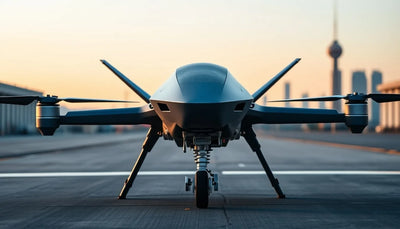
According to the China Newspaper Industry report, the "Dragon Claw" aerial manipulator drone from Shenmou secured a bid with State Grid, China's dominant electric power transmission and distribution operator. The source describes the platform as a deep-plan aerial manipulator drone, indicating a design focused on physical interaction with power infrastructure rather than passive visual inspection alone.
The report frames the award within the context of embodied intelligence, a term that refers to AI systems operating through physical robotic bodies rather than software-only environments. For utility operators, embodied AI in aerial form means drones that can manipulate components, attach sensors, clear obstructions, or perform other contact-based tasks that previously required human climbers or bucket trucks.
Reboot Hub analysis: the source is limited to a single industry report and does not include contract value, unit quantities, delivery timelines, technical specifications, or operational performance data. Readers should treat the award as a confirmed procurement signal without assuming specific commercial terms or fleet scale.
Why utility procurement is shifting toward manipulator drones
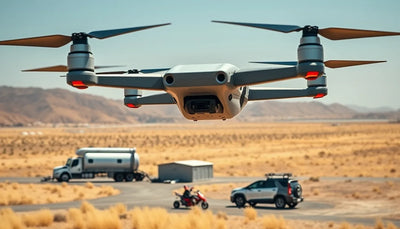
Traditional drone inspection programs in the power sector have centered on cameras, thermal sensors, and LiDAR payloads that observe infrastructure from a safe distance. Aerial manipulator platforms change that model by adding physical interaction, which can reduce the need for line workers to climb towers or work from elevated platforms in hazardous conditions.
The State Grid award suggests that Chinese utility planners see enough reliability and operational value in manipulator drones to move them into formal bidding processes. For manufacturers and service providers outside China, this is a demand signal worth watching: if one of the world's largest grid operators is buying contact-capable aerial platforms, other utilities may follow once the operational economics become clearer.
From a market trends perspective, the development reinforces a broader pattern in commercial drone procurement. Buyers are moving beyond generic multirotor platforms toward mission-specific airframes with specialized payloads, actuators, and control systems. That shift has implications for training, maintenance, spare parts planning, and the secondary market for used equipment.
What this means for drone owners and the market
The most immediate takeaway for commercial operators is that specialized aerial work platforms are becoming procurement-grade assets rather than experimental prototypes. When a state-owned utility awards a bid to a manipulator drone, it validates a category that many fleet managers have been watching cautiously. Operators who currently run inspection-only fleets should start considering whether contact-based missions will become a competitive requirement in utility, energy, and industrial service contracts.
For repair and maintenance businesses, the rise of aerial manipulator drones introduces new complexity. These platforms carry actuators, grippers, force sensors, and additional control systems that standard camera drones do not. Repair workflows will need to account for mechanical wear on manipulation components, calibration of force feedback systems, and more demanding structural inspections after contact missions. Operators who understand these systems early will have an advantage in service markets where specialized repair capacity is scarce. For owners evaluating service and lifecycle risk, Drone Wiki explains the relevant repair, parts, resale, or operational path.
For buyers in the pre-owned DJI market, the immediate impact is indirect but meaningful. DJI's enterprise platforms remain dominant in inspection, mapping, and public safety, and a shift toward manipulator drones does not make those airframes obsolete. However, it does suggest that some utility budgets will migrate toward specialized platforms over time, which could influence how fleet managers allocate capital between general-purpose inspection drones and task-specific aerial robots. Buyers evaluating pre-owned DJI equipment for utility work should assess whether their contract pipelines are inspection-focused or moving toward contact-based maintenance scopes. For operators building or refreshing utility inspection fleets, the Drone Wiki provides reference material that can help clarify platform categories and maintenance considerations before committing to a purchase.
Reboot Hub analysis: Fleet planners should also note that manipulator drones are likely to carry higher per-unit costs and more demanding maintenance schedules than camera-only platforms. That creates a stronger case for disciplined asset management, including documented service histories, component-level repair tracking, and careful evaluation of any used specialized equipment that enters the secondary market.
What to watch next in the manipulator drone segment
The State Grid award is one data point, but it opens several questions that commercial buyers should monitor. First, will Shenmou or other developers publish operational performance data from real grid deployments? Without field reliability metrics, procurement decisions in other markets will remain cautious. Second, will Chinese utility procurement patterns influence tenders in Southeast Asia, the Middle East, Africa, or Latin America, where grid expansion and maintenance demand are growing?
Third, how will regulators treat contact-based aerial work near energized infrastructure? The source does not address certification, safety standards, or operator training requirements, but those factors will shape adoption speed. Fourth, will established drone manufacturers respond with their own manipulator payloads or partnerships? Competitive pressure in this segment could accelerate product development and create more options for fleet buyers.
For now, the responsible read is that embodied AI in aerial form has cleared a meaningful commercial hurdle in China's utility sector. The award does not prove widespread readiness, but it does show that at least one major grid operator is willing to buy the capability. Operators and service providers who track this segment closely will be better positioned to respond when manipulator drones become a standard tool in utility maintenance contracts.
FAQ
Frequently asked questions
What exactly did the source report?
China Newspaper Industry reported that Shenmou's "Dragon Claw" aerial manipulator drone won a State Grid electric power bid. The report describes the platform as a deep-plan aerial manipulator drone and frames the award as part of faster embodied AI deployment.
Does this mean manipulator drones are ready for all utility work?
Not necessarily. The award signals procurement interest from one major utility, but the source does not provide operational performance data, reliability metrics, or deployment scale. Buyers should treat it as an early market signal rather than proof of broad readiness.
How should fleet operators respond to this news?
Operators serving utility or industrial clients should track whether contact-based maintenance missions appear in upcoming tenders. They should also factor in the higher maintenance complexity of manipulator platforms when planning repair capacity, spare parts inventory, and fleet capital allocation.
Which sources support this update?
The article distinguishes reported information from analysis and does not present an unverified source as official confirmation.
What remains subject to change?
Retail pricing, availability, product bundles and regulatory timelines can change. Readers should verify the latest terms with the named retailer, manufacturer or regulator before acting.
How should buyers or operators use this analysis?
Use the verified facts as a starting point, then compare mission fit, lifecycle support, maintenance needs and current procurement terms before making a purchase or fleet decision.
Surse consultate
- Source material - primary source
La momentul publicării, nu era disponibilă documentație oficială suplimentară.
Redacția Reboot Hub oferă analize privind achiziția, reparația, revânzarea și operarea pentru proprietarii de drone. Dacă observați o eroare, contactați-ne pentru revizuirea corecției conform politicii noastre editoriale.