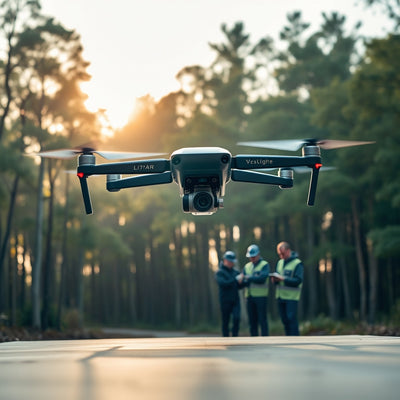
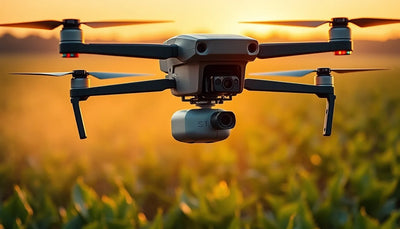
German Military Moves to Ban DJI Drones Again After 2023 Ban Failed
Germany's Bundeswehr is reportedly pulling DJI and other Chinese drones from its bases, a year after signing for 500 DJI M30T units despite an earlier ban. The reversal raises fresh questions for commercial operators, fleet buyers, and the pre-owned DJI market.

Quick answer
Germany's Bundeswehr is reportedly pulling DJI and other Chinese drones from its bases, a year after signing for 500 DJI M30T units despite a 2023 ban, according to DroneXL.co.
- The reported move follows a 2023 ban that did not fully stick in German military procurement.
- The Bundeswehr reportedly signed for 500 DJI M30T units after the earlier restriction.
- The development may affect how commercial operators think about DJI fleet procurement and resale value.
- Pre-owned DJI drone buyers and repair customers should watch whether policy signals spread beyond defense use.
Evidence: DroneXL.co · Defense.gov official source
Operator checklist
Turn policy news into a safer fleet decision.
Before changing aircraft, compare repair paths, available DJI inventory, and trade-in timing against the rule change.

Verified facts
What the available evidence confirms
| Reported development | Detail | Source |
|---|---|---|
| 2023 ban | German military reportedly banned DJI and Chinese drones | DroneXL.co |
| Post-ban procurement | Bundeswehr reportedly signed for 500 DJI M30T units | DroneXL.co |
| 2026 reported action | DJI and other Chinese drones being pulled from bases | DroneXL.co |
Germany's Bundeswehr is again moving to restrict DJI drones from its bases, according to a report published by DroneXL.co on November 11, 2026. The reported development comes roughly a year after the German military signed for 500 DJI M30T units, even though a 2023 ban on Chinese drones had already been put in place. The fact that the earlier restriction did not fully hold is now drawing renewed attention from defense observers and commercial drone operators alike.
For the broader drone market, the German case is more than a defense procurement story. It is a signal about how government buyers, enterprise fleets, and second-hand drone markets may respond when policy around DJI hardware shifts unevenly. DroneXL.co reports that the Bundeswehr is pulling DJI and other Chinese drones from its bases, but the report does not specify whether the action applies to all units, certain commands, or only future acquisitions. Reboot Hub analysis suggests that the uncertainty itself is the commercially relevant part.
What the German military reportedly did
The central reported development is straightforward: the Bundeswehr is pulling DJI and other Chinese drones from its bases, according to DroneXL.co. The report frames this as a second attempt to enforce a restriction that was first introduced in 2023. What makes the situation notable is that the 2023 ban did not prevent a subsequent procurement decision. DroneXL.co states that the German military signed for 500 DJI M30T units after the earlier restriction was already in place.
The M30T is an enterprise-class thermal drone commonly used in inspection, public safety, and tactical support roles. The reported order volume of 500 units is substantial enough to matter commercially, but the source does not confirm how many units were delivered, deployed, or remain in service. For fleet operators watching this case, the key lesson is that a policy announcement and actual procurement behavior can diverge for months or years.
Why the 2023 ban did not stick
DroneXL.co's reporting points to a gap between the 2023 restriction and the later M30T signing. The source does not provide a detailed explanation for why the earlier ban failed to hold, and Reboot Hub has not independently verified internal German procurement documents. However, the pattern is familiar in defense and public-sector drone buying: operational units often need specific capabilities quickly, and enterprise DJI platforms can be easier to source and support than alternatives in the short term.
For commercial operators, this pattern carries a practical warning. A procurement policy is only as durable as the enforcement and supply-chain reality behind it. If a government buyer can sign for 500 DJI units a year after a ban, then private fleet managers should not assume that regulatory signals alone will determine hardware availability, pricing, or long-term support. The reported reversal suggests that political and operational priorities can shift faster than fleet replacement cycles.
What this means for drone owners and the market
Reboot Hub analysis: The immediate commercial impact is likely to be felt in three areas: enterprise procurement confidence, pre-owned DJI resale value, and repair and spare parts planning. When a major government buyer publicly moves away from DJI hardware, some corporate fleet managers may pause new orders or ask harder questions about long-term support. That hesitation can ripple into the pre-owned market, where pricing for inspected pre-owned DJI drones depends on steady demand from commercial buyers.
For owners of DJI enterprise platforms such as the M30T, the German case does not change the aircraft's operational capability. What it changes is the perception of policy risk. A drone that is still fully serviceable can lose resale momentum if buyers worry that government or enterprise customers will avoid the brand in the future. Reboot Hub analysis suggests that owners who maintain detailed service records and use genuine OEM spare parts will be better positioned if resale demand softens. For repair customers, this is a moment to check whether their service provider can still source OEM-pulled parts for DJI enterprise models without long delays. Readers can consult the Drone Wiki for reference material on DJI platform support and ownership considerations. For owners evaluating service and lifecycle risk, Drone Wiki explains the relevant repair, parts, resale, or operational path.
The pre-owned DJI market may see a split. Consumer and prosumer models such as the Mavic and Mini lines are less exposed to defense procurement politics, while enterprise thermal platforms may face more scrutiny from risk-averse buyers. Fleet managers who operate DJI hardware in Europe should watch whether other government agencies follow the Bundeswehr's reported move, because a coordinated shift could reduce the addressable buyer pool for used enterprise drones.
What operators should do differently now
The practical takeaway for a buyer, pilot, or fleet manager is to separate operational value from policy noise. The M30T remains a capable enterprise platform, and the DroneXL.co report does not describe any technical defect, safety recall, or regulatory action against civilian use. What it describes is a defense procurement reversal with unclear scope. Operators should avoid panic selling, but they should also avoid assuming that DJI enterprise hardware will always hold its resale value in European government-adjacent markets.
A reasonable response is to document every maintenance action, keep original accessories and batteries in good condition, and build a repair plan that does not depend on a single parts channel. For fleet managers considering new DJI enterprise purchases in Europe, the German case is a reminder to evaluate total cost of ownership across the expected service life, including the possibility that resale demand from public-sector buyers may narrow. For pre-owned buyers, this is an opportunity to negotiate carefully on enterprise DJI models while demand is uncertain.
FAQ
Frequently asked questions
Did Germany officially ban DJI drones in 2026?
DroneXL.co reports that the Bundeswehr is pulling DJI and other Chinese drones from its bases, but the report does not describe a formal 2026 legal ban. It frames the action as a renewed enforcement effort after a 2023 restriction did not fully stick.
Does the German military move affect civilian DJI drone owners?
The reported action is specific to the Bundeswehr and does not directly change civilian drone rules in Germany or the European Union. However, commercial operators may see indirect effects on enterprise procurement confidence and pre-owned DJI resale demand if other government buyers follow the same path.
Should I sell my DJI M30T because of this report?
Not necessarily. The DroneXL.co report describes a defense procurement issue, not a technical defect or civilian restriction. Owners should monitor whether the policy signal spreads, maintain service records, and plan repairs around genuine OEM spare parts before making any resale decision.
Which sources support this update?
The visible evidence links identify DroneXL.co and Defense.gov official source; each source is used only for the claim it directly supports.
What remains subject to change?
Retail pricing, availability, product bundles and regulatory timelines can change. Readers should verify the latest terms with the named retailer, manufacturer or regulator before acting.
How should buyers or operators use this analysis?
Use the verified facts as a starting point, then compare mission fit, lifecycle support, maintenance needs and current procurement terms before making a purchase or fleet decision.
Fontes consultadas
- DroneXL.co - primary source
- Defense.gov official source - official government source
O Editorial Reboot Hub acrescenta análises de compra, reparação, revenda e operacionais para proprietários de drones. Se detetar um erro, contacte-nos para a revisão da correção através da nossa política editorial.