FBI Seizes Over 300 Drones at World Cup 2026: What Operators Need to Know
The FBI has intercepted over 300 unauthorized drones at FIFA World Cup 2026 stadiums in the first ten days. Enforcement numbers vary per city, revealing which locations are most active. Commercial operators should review flight restrictions and compliance measures.

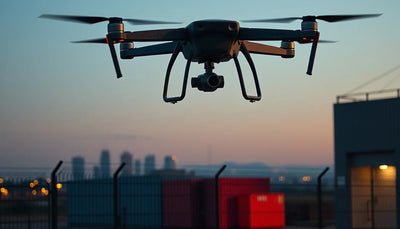
The FBI has intercepted more than 300 unauthorized drones at FIFA World Cup 2026 venues across the United States during the tournament’s first ten days, according to a report from DroneXL.co on June 22, 2026. The seizures convert a year of federal counter-drone spending into a hard enforcement count, providing a rare public snapshot of how seriously the U.S. government is treating unauthorized UAV activity around high-security events.
Individual FBI field offices confirmed their own seizure totals on Monday, with some cities reporting notably higher numbers than others — a detail that reveals which locations are actually catching operators. For commercial drone buyers, fleet managers, and repair customers, the FBI’s enforcement push is a signal to review flight planning, geofencing compliance, and the risks of operating near temporary flight restriction (TFR) zones.
The scale of FBI enforcement at World Cup 2026

The figure of more than 300 drone seizures in ten days is unprecedented for civilian sporting events in the United States. To put it in perspective, the number exceeds the total recreational drone enforcement actions typically reported in an entire year by several federal agencies. The FBI’s action indicates that counter-drone technology deployed at World Cup venues — including detection, identification, and non-kinetic interdiction systems — is operational and being used actively.
Operator checklist
Turn policy news into a safer fleet decision.
Before changing aircraft, compare repair paths, available DJI inventory, and trade-in timing against the rule change.
One field office reported 34 drone seizures around its assigned venue, a number that suggests operators are testing restrictions or unaware of the TFRs covering all 16 World Cup host stadiums and their surrounding airspace. The FBI has not disclosed the exact types of drones seized, but the implication for commercial operators is clear: flying near a World Cup venue without proper authorization carries a high probability of losing the aircraft, and potentially facing federal questioning.
For fleet operators managing multiple drones, a single seizure during an event can mean the loss of valuable equipment, data storage, and flight logs. This enforcement wave highlights the need for robust pre-flight checks and real-time airspace awareness tools, especially during large-scale sporting events where TFRs are dynamic.
Which cities see the most seizures?

While the FBI has not published a full city-by-city breakdown, the per-field-office totals released on Monday show that enforcement is not uniform. Some venues have seen heavy interdiction activity, while others have reported fewer incidents. This variation likely correlates with local drone population density, the presence of media or commercial operators, and the effectiveness of public awareness campaigns.
Operators in cities with higher seizure counts — such as those reported by the field office that intercepted 34 drones — should treat the local airspace as especially risky. For drone buyers considering a second-hand DJI purchase, it may be worth investigating whether a used drone has been involved in any enforcement incident, though such records are not public. The pre-owned market for DJI drones may see increased supply as some operators replace seized units, but also higher demand from pilots who want a cheaper backup aircraft to fly in compliance with regulations.
The practical takeaway for any drone pilot: assume that World Cup TFRs are being actively patrolled by federal counter-drone units, and that even a brief incursion can result in capture. Flight planning tools that automatically download current TFR data should be used for every mission in or near a host city.
What this means for drone buyers

For anyone purchasing a drone — whether new from a dealer or a pre-owned DJI drone on the second-hand market — the FBI’s enforcement activity underscores the importance of buying equipment that is fully compliant with FAA Remote ID rules and geofencing requirements. Drones that cannot be positively identified or that lack up-to-date firmware are more likely to be flagged by counter-drone systems, increasing the chance of interception.
If you are in the market for a used drone, consider that a seized aircraft may be held by the FBI for months or permanently. This risk reinforces the value of buying from a reputable source that inspects and verifies the provenance of each unit. For operators who want a cost-effective way to maintain a compliant fleet, inspected pre-owned DJI drones from trusted sellers offer a reliable alternative to full-price new units. Additionally, if your drone is damaged during a seizure event — or if you simply want to avoid the cost of a new purchase — professional DJI repair services with genuine OEM spare parts can restore functionality without the expense of a full replacement.
One operator-facing answer that emerges from this data: fly with a plan. Check the FAA’s temporary flight restriction maps at least 24 hours before every mission, and be prepared to divert if a stadium event is in progress. For fleet operators, it is worth designating a compliance officer during the World Cup period to monitor airspace changes daily.
Implications for fleet operators and repair services

The FBI’s enforcement campaign also has direct implications for drone repair businesses and fleet maintenance. If a fleet operator loses multiple drones to seizures, the sudden need for replacement aircraft could strain supply chains. Repair shops may see an uptick in requests for post-confiscation inspections if drones are returned after the tournament, or for reconfiguring aircraft with more compliant firmware.
Additionally, the seizure data may prompt some operators to sell off older drones that lack Remote ID compliance, driving volume into the pre-owned market. Conversely, operators who want to keep flying during the World Cup will need to ensure their drones are in peak condition and have the latest safety features active. Genuine OEM spare parts play a key role here: using non-certified components can lead to firmware incompatibility or geofencing errors, increasing the risk of accidental TFR violations.
Finally, the enforcement pattern may influence insurance premiums for drone liability policies. Insurers may request proof of geofencing usage and real-time airspace monitoring for policies covering flights near major events. Fleet operators should review their coverage now, rather than after a seizure event.
How long will the FBI hold seized drones?
The FBI has not publicly stated a standard retention period for drones confiscated during the World Cup. Typically, evidence seized during federal investigations is held until the case is resolved, which could range from weeks to months. Operators who lose a drone may need to replace it quickly rather than waiting for its return.
Can I fly my drone near a World Cup stadium if I have a waiver?
FAA and FBI guidance prohibits all non-authorized drones within the TFR zone surrounding each World Cup stadium during match days and for a period before and after. Waivers are extremely rare and typically only granted to accredited media operators with security clearance. Most recreational and commercial flights are not allowed.
What should I do if my drone is intercepted by the FBI?
Remain calm and follow all instructions from security personnel. Do not attempt to retrieve the drone yourself. Contact your insurance provider and document the incident. If you are a fleet operator, preserve any flight logs and transponder data that demonstrate compliance with TFRs, as these may be needed to prove unintentional incursion.