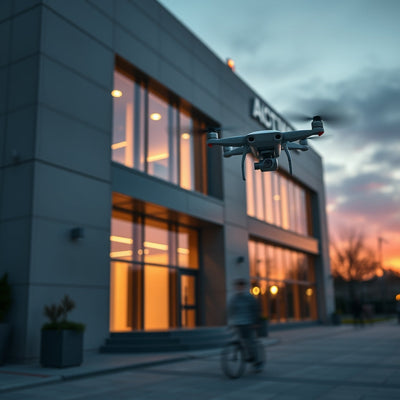
DJI Works Booth 903 at UAV Expo While $1.56 Billion Sits at FCC
Commercial UAV Expo opens in Las Vegas with DJI present at booth 903 but no keynote, while an FCC Covered List panel and a Ninth Circuit case worth $1.56 billion frame the regulatory conversation for drone buyers and fleet operators.

Quick answer
DJI is present at Commercial UAV Expo in Las Vegas at booth 903 with no keynote, while an FCC Covered List panel runs and a Ninth Circuit case involving $1.56 billion remains pending.
- DJI is working booth 903 at Commercial UAV Expo in Las Vegas
- No DJI keynote is listed at the event
- An FCC Covered List panel is part of the programming
- A Ninth Circuit case worth $1.56 billion is referenced
Evidence: DroneXL.co · DJI ROMO official robot vacuum page · DJI Support ROMO beginner guide
Operator checklist
Turn policy news into a safer fleet decision.
Before changing aircraft, compare repair paths, available DJI inventory, and trade-in timing against the rule change.

Verified facts
What the available evidence confirms
| Event element | Reported detail |
|---|---|
| DJI booth | Booth 903 at Commercial UAV Expo, Las Vegas |
| DJI keynote | None reported |
| FCC Covered List panel | Included in event programming |
| Ninth Circuit case | Referenced with $1.56 billion at stake |
Commercial UAV Expo opened in Las Vegas this week with DJI maintaining a visible but understated presence at booth 903, according to reporting from DroneXL.co. The Chinese drone maker did not hold a keynote slot, even as an FCC Covered List panel ran as part of the event programming. The juxtaposition captures the current state of the commercial drone market: hardware remains available and widely used, while the regulatory environment around it grows more complex.
DroneXL.co, the primary reporting source for this story, framed the event around a broader legal and policy backdrop. A Ninth Circuit case involving $1.56 billion is referenced in connection with DJI's regulatory position in the United States. For commercial operators, fleet managers, and buyers evaluating DJI equipment, the Las Vegas event is less about new product announcements and more about reading the regulatory signals that could shape procurement, repair, and resale decisions over the next several quarters.
The Las Vegas event and DJI's quiet footprint
DroneXL.co reports that DJI set up at booth 903 at Commercial UAV Expo in Las Vegas. The absence of a keynote is notable for a company that has historically used major trade shows to anchor its enterprise and commercial messaging. A booth presence signals continued engagement with the U.S. commercial market, but the lack of a marquee speaking slot suggests a company operating with less promotional visibility than in previous years.
For attendees, the practical takeaway is straightforward: DJI hardware remains accessible and supported through trade channels, but the company is not using this event to launch a major U.S. policy offensive or product blitz. Buyers and fleet operators should treat the event as a checkpoint for understanding how distributors, service providers, and regulators are positioning DJI equipment in the current environment rather than expecting a wave of new hardware announcements.
The FCC Covered List and what it signals for procurement
The FCC Covered List panel at the expo brings a specific compliance concern into the commercial conversation. The Covered List identifies communications equipment and services that pose a national security risk under U.S. law, and its implications extend into federal procurement and grant-funded programs. DroneXL.co's reporting places this panel alongside DJI's booth presence, which is a meaningful pairing for any operator using federal funds or working on government-adjacent projects.
For commercial buyers, the Covered List is not an abstract policy document. It can affect whether a drone purchase qualifies for certain funding streams, whether a fleet can be deployed on federally connected contracts, and whether an organization's procurement team will approve a DJI platform in the first place. Operators should review their funding sources and contract language before expanding a DJI fleet, particularly if any portion of their work touches federal, state, or municipal programs with compliance requirements.
What this means for drone owners and the market
The $1.56 billion Ninth Circuit case referenced by DroneXL.co adds a financial dimension to the regulatory picture. While the reporting does not detail the full procedural history or the specific parties beyond the amount at stake, the figure itself is large enough to influence how insurers, lenders, and enterprise procurement teams assess DJI-related risk. A pending case of that scale can slow purchasing decisions, complicate financing, and push some organizations toward multi-vendor fleet strategies.
For current DJI owners, the practical question is whether to continue operating, expand, or hold. The reporting suggests no immediate operational restriction tied to the Las Vegas event itself, but the regulatory direction remains uncertain. Fleet managers should document their equipment inventory, maintain current firmware and maintenance records, and understand their options for genuine OEM spare parts and professional DJI repair. For operators looking to manage cost or rotate equipment, the pre-owned DJI market remains a relevant channel, and resources like the Drone Wiki can help buyers understand platform details before committing to a purchase or repair decision. For owners evaluating service and lifecycle risk, Drone Wiki explains the relevant repair, parts, resale, or operational path.
The pre-owned DJI market is particularly sensitive to regulatory news. When policy uncertainty rises, some owners sell to reduce exposure while others buy at lower prices to expand capacity. Both behaviors can coexist in the same quarter. The key for buyers is to verify the condition, provenance, and compliance status of any pre-owned unit before purchase, especially if the drone will be used in regulated airspace or on contracts with specific equipment requirements.
What operators should watch next
The Las Vegas event is a snapshot, not a conclusion. DroneXL.co's reporting identifies three threads worth monitoring: the outcome of the Ninth Circuit case, any FCC action related to the Covered List, and DJI's own positioning in the U.S. commercial market. Each thread has different implications for different operator types. A federal contractor cares most about the Covered List. A commercial inspection company cares most about continued parts availability and service support. A reseller or repair shop cares most about market liquidity and demand signals.
The most practical step for any operator or buyer is to separate policy noise from operational reality. DJI equipment is still flying commercially across many sectors in the United States, and the trade show presence confirms ongoing commercial activity. But the regulatory environment is not static, and decisions made today about fleet composition, spare parts inventory, and platform diversification will shape operating flexibility over the next 12 to 24 months.
FAQ
Frequently asked questions
Is DJI still selling drones in the United States?
DroneXL.co reports that DJI is present at Commercial UAV Expo in Las Vegas at booth 903, which indicates continued commercial engagement in the U.S. market. However, the reporting also notes regulatory pressure, including an FCC Covered List panel and a Ninth Circuit case, so buyers should monitor policy developments closely.
What is the FCC Covered List and why does it matter for drone buyers?
The FCC Covered List identifies communications equipment and services deemed a national security risk. For drone buyers, it can affect eligibility for federal funding, government contracts, and procurement approvals, which is why the panel at Commercial UAV Expo is relevant to fleet planning.
Should I buy a pre-owned DJI drone right now?
The reporting does not indicate an immediate operational restriction on DJI equipment. Buyers considering pre-owned DJI drones should verify condition, provenance, and compliance requirements for their specific use case, especially if the drone will be used on federally connected contracts or in regulated airspace.
Which sources support this update?
The visible evidence links identify DroneXL.co and DJI ROMO official robot vacuum page and DJI Support ROMO beginner guide; each source is used only for the claim it directly supports.
What remains subject to change?
Retail pricing, availability, product bundles and regulatory timelines can change. Readers should verify the latest terms with the named retailer, manufacturer or regulator before acting.
How should buyers or operators use this analysis?
Use the verified facts as a starting point, then compare mission fit, lifecycle support, maintenance needs and current procurement terms before making a purchase or fleet decision.
Fontes consultadas
- DroneXL.co - primary source
- FCC Covered List - official regulator source
O Editorial Reboot Hub acrescenta análises de compra, reparação, revenda e operacionais para proprietários de drones. Se detetar um erro, contacte-nos para a revisão da correção através da nossa política editorial.