B-21 Raider Skipping America 250 Flyovers – What It Signals for Drone Buyers
The Air Force confirmed the newest stealth bomber will not take part in the July 4th flyovers. This absence hints at program hurdles and budget shifts that could influence defense drone procurement and the pre-owned DJI market.

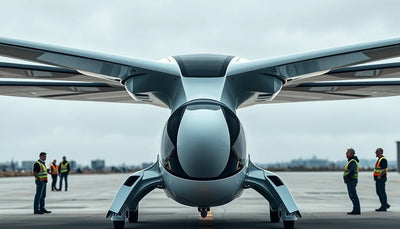
The U.S. Air Force has officially confirmed that the B-21 Raider, America’s newest long-range stealth bomber, will not participate in any America 250 flyovers this Independence Day. The announcement, first reported by The War Zone, ends weeks of speculation that the bomber might make a public debut during the landmark July 4th celebrations. For drone buyers and fleet operators, this seemingly narrow military aviation news carries broader implications worth examining.
While the B-21 is designed for strategic nuclear and conventional missions far removed from commercial UAV operations, the program’s progress—or lack of it—often serves as a bellwether for defense procurement patterns, technology maturation timelines, and budget allocation shifts. All of these factors can ripple into the commercial drone sector, influencing the availability of advanced components, the pace of civilian technology adoption, and the second-hand market for enterprise drones.
What the B-21 absence really means
The War Zone’s source-grounded report makes clear that the B-21 Raider’s omission from flyover plans is not a minor scheduling oversight. The Air Force explicitly stated that the bomber would not appear in any of the scheduled air shows or flypasts tied to the nation’s 250th birthday. While the service did not detail the specific reasons, analysts and former procurement officials have pointed to operational security concerns and the early stage of the flight test campaign as likely factors.
Fleet readiness
Keep DJI hardware available without overbuying new units.
Use defense and fleet news as a planning signal for repair support, inspected pre-owned aircraft, and replacement timing.

For drone buyers and fleet managers accustomed to reading procurement signals, this kind of public non-appearance often indicates that the program is still far from the operational testing phase required for high-visibility public events. When a next-generation aircraft is held back from a major national celebration, it suggests that the development team is prioritizing risk reduction over public exposure. This conservative approach can sometimes slow down the broader supply chain for advanced aeronautical components—components that eventually trickle into high-end commercial drones, including sensor arrays, composite materials, and power systems.
The practical takeaway for a drone operator is straightforward: if a major defense program like the B-21 is still at a stage where it cannot safely or confidently fly over a crowd, the advanced technologies inside that aircraft are likely years away from becoming affordable in the commercial UAV market. That timeline matters when you are planning a fleet upgrade or deciding whether to invest in new enterprise drones versus sourcing pre-owned DJI drones that already deliver proven performance.
Program delays and fleet planning implications
Every military aircraft program has a schedule, and every schedule contains assumptions about testing, funding, and international cooperation. The B-21 Raider program, managed by the Air Force in partnership with its prime contractor, has been described as progressing under a high degree of secrecy. The decision to skip flyovers reinforces that secrecy remains paramount and that the test fleet—potentially only a handful of airframes—is not yet ready for public demonstrations.
For fleet operators who supply drone services to defense contractors or government agencies, this news is a reminder to watch for knock-on effects. When a major program like the B-21 faces delays or restricted visibility, it can cause defense contracts to be reshuffled. Fixed-wing UAV contracts, such as those for the MQ-9 Reaper or the emerging collaborative combat aircraft programs, may see funding shifts. Some budget dollars originally set aside for developmental programs could be moved to sustain current fleets, creating steady demand for professional DJI repair services and spare parts for existing drones.
In the commercial world, fleet managers should note that when government procurement becomes more conservative, the secondary market for high-end drones often sees increased demand. Enterprise operators who need to expand capacity without waiting for new product cycles may turn to inspected pre-owned equipment. The B-21’s absence is not a direct driver of that trend, but it is a signal that the broader defense industrial base is operating in a more cautious mode—encouraging cost-effective fleet solutions.
What this means for drone buyers
If you are a drone buyer evaluating your next purchase, the B-21 flyover decision may seem irrelevant, but it actually reinforces a key principle: do not base procurement decisions on promising but immature platforms. The Raider is years from operational status, and similar timelines apply to many next-generation drone technologies touted in trade shows. Instead, focus on aircraft that have proven their reliability in real-world operations.
The current commercial drone market offers a robust selection of field-tested platforms, including the DJI Matrice 300 RTK and the newer Matrice 350 RTK, as well as the DJI Mavic 3 Enterprise series. These are not speculative systems—they are deployed daily for public safety, infrastructure inspection, and precision agriculture. Their components are widely available, and repair support networks are mature. When considering a fleet expansion, it is often smarter to invest in what works today rather than waiting for a future technology that may arrive slower than expected.
One operator-facing answer: after reading this, a buyer or fleet manager should review their current drone inventory and identify any gaps that can be filled immediately with certified pre-owned units rather than waiting for next-generation drone releases that may face their own delays. The drone trade-in guide can help you transition older models into credit toward inspected equipment, reducing the need to allocate budget for brand-new, untested systems.
Broader market trends from defense aviation
The B-21 Raider situation fits into a larger pattern in military aviation: the gap between program announcements and actual operational capability continues to widen. From the F-35 to the KC-46 tanker, high-profile aircraft often experience extended development phases. This trend has a direct impact on the drone industry because the same engineering talent, material supply lines, and regulatory attention are often shared between military and commercial aerospace sectors.
When a major bomber program is still in a restricted testing phase, it means that certain advanced technologies—such as low-observable coatings, cognitive electronic warfare, and distributed aperture systems—will not enter the civilian supply chain for years. Drone manufacturers who hoped to incorporate these innovations into commercial UAVs must adjust their product roadmaps accordingly. For the second-hand market, this creates a window where current-generation pre-owned DJI drones maintain their value longer than previously expected, because the next leap in performance is not imminent.
Additionally, the Air Force’s emphasis on the B-21’s digital engineering approach has been a talking point in defense circles. If that methodology proves successful, it could eventually lead to faster iteration cycles in drone development, but the flyover absence suggests that even digital designs require extensive physical testing. Commercial drone buyers should therefore remain pragmatic: the promise of a fully digital, rapidly produced UAV fleet is still some years away.
Frequently Asked Questions
Why is the B-21 Raider not participating in the America 250 flyovers?
The Air Force confirmed the bomber's absence without providing a specific reason, but analysts point to operational security needs and the early stage of the flight test campaign as likely factors. The program remains highly classified, and public flyovers would risk exposing details about its performance and capabilities.
How does a military bomber program affect commercial drone operators?
Defense procurement decisions shape the availability of advanced materials, sensor technologies, and even repair expertise that eventually flow into the commercial drone ecosystem. Delays in major programs can slow technology transfer and sometimes increase demand for proven pre-owned equipment.
Should I change my drone fleet strategy because of this news?
Not drastically, but it reinforces the wisdom of relying on mature platforms rather than speculative next-generation systems. Consider expanding your fleet with inspected pre-owned drones that are already in service, and use a trade-in program to upgrade cost-effectively while keeping operational downtime low.