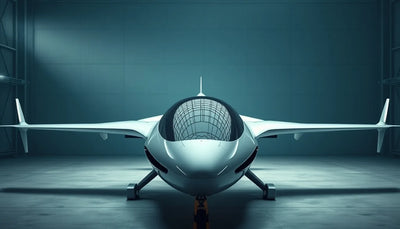
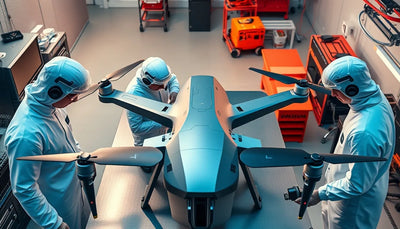
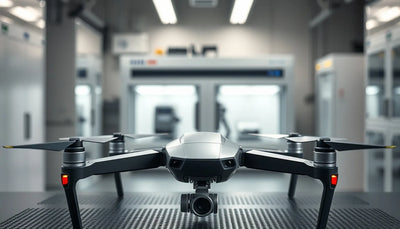
Wingtra Used 180 Simulations in Six Months to Shape the RAY Drone
Wingtra reportedly ran 180 simulations over six months to inform the design of its RAY drone, according to a DroneXL report. The approach signals how simulation-heavy development is reshaping commercial fixed-wing drone design, testing cycles, and fleet procurement expectations.

Quick answer
Wingtra reportedly ran 180 simulations over six months to inform the design of its RAY drone, according to a DroneXL report.
- The reported simulation count highlights a design process centered on virtual testing before physical validation.
- Commercial fixed-wing drone development is increasingly leaning on simulation to shorten iteration cycles.
- Fleet operators may see more mature designs reaching the market with fewer early hardware revisions.
- Pre-owned and repair markets could benefit if simulation-driven designs reduce common failure points.
Verified facts
Market context
Turn market news into a buy, repair, or trade-in decision.
Compare pre-owned availability, resale timing, and repair economics before the market moves again.

What the available evidence confirms
| Aspect | Reported detail |
|---|---|
| Simulation count | 180 simulations |
| Timeframe | Six months |
| Drone program | RAY drone |
| Reporting source | DroneXL |
Wingtra reportedly ran 180 simulations over a six-month period to inform the design of its RAY drone, according to a report published by DroneXL. The figure offers a rare window into how fixed-wing drone manufacturers are approaching product development as commercial operators demand more predictable performance, longer service life, and faster iteration on hardware that must survive demanding field conditions.
The reported simulation count matters because it suggests a deliberate shift toward virtual validation before committing to physical prototypes. For buyers, fleet managers, and repair-focused operators, that shift has practical consequences: a design shaped by extensive simulation work may arrive with fewer early-production surprises, more consistent flight behavior, and a clearer maintenance profile than a model rushed through limited testing.
What the reported development process suggests
The DroneXL report centers on Wingtra, a company known for fixed-wing vertical takeoff and landing drones used in surveying, mapping, and industrial inspection. The RAY drone program, as described in the source, involved 180 simulations across six months. That pace works out to roughly one simulation every day over the reporting window, a cadence that points to an iterative design loop rather than a one-time validation pass.
From a market analysis perspective, this is not simply an engineering footnote. Simulation-heavy development allows manufacturers to test aerodynamic changes, control logic, and failure scenarios without building a new airframe for each iteration. For commercial operators, the implication is that the final hardware may reflect a broader range of tested conditions than a design cycle built primarily around physical flight testing.
Reboot Hub analysis suggests that simulation-driven development could also influence how repair providers and parts suppliers prepare for a new model. If a manufacturer has already stress-tested structural and electronic components in virtual environments, the most likely wear points may be better understood before the first units reach customers. That kind of information, even when not publicly released, can shape how service networks stock genuine OEM spare parts and plan diagnostic workflows.
Why simulation-heavy design matters for commercial operators
Commercial drone buyers increasingly evaluate more than payload specs and flight time. They look at total cost of ownership, downtime risk, spare parts availability, and how a platform behaves after months of field use. A development process built around extensive simulation can reduce the number of hardware revisions that follow a launch, which in turn reduces the risk that an operator buys into a platform that requires immediate fixes or unexpected component swaps.
The reported 180-simulation figure also suggests that Wingtra treated the RAY program as a data-driven exercise rather than a purely prototype-led effort. For fleet managers, that is a meaningful signal. It implies that the manufacturer had the internal capacity and discipline to run a structured testing program before scaling production, which can translate into more stable supply chains and fewer mid-cycle design changes that complicate fleet planning.
Reboot Hub analysis: There is also a pre-owned market angle. When a drone platform launches with a more thoroughly validated design, early units are less likely to carry the kind of defects that depress resale value or create repair headaches for second owners. Operators who buy inspected pre-owned DJI drones or other commercial platforms know that early-production issues can linger in the used market. A simulation-heavy launch cycle may reduce that risk for the RAY platform specifically, though Reboot Hub notes that long-term reliability data will only emerge after real-world fleet usage accumulates.
What this means for drone owners and the market
The broader commercial drone market has been moving toward more professionalized development practices for several years. Enterprise buyers, survey firms, and industrial inspection teams increasingly expect the same rigor from drone manufacturers that they see in adjacent equipment categories like precision agriculture hardware or construction instruments. The reported Wingtra approach fits that pattern: a fixed-wing platform designed through repeated virtual testing signals that the company is targeting buyers who treat drones as production assets rather than experimental tools.
For repair customers and fleet operators, the key takeaway is that simulation-driven design can change the ownership experience. If a manufacturer has already modeled stress points, control failures, and environmental conditions before launch, the resulting hardware may be easier to service predictably. Operators who manage mixed fleets and rely on professional DJI repair or third-party service providers should watch whether new fixed-wing models arrive with clearer maintenance documentation and more stable parts availability, both of which are often downstream benefits of a disciplined development process. Readers tracking these shifts can monitor the Drone Wiki for evolving coverage of commercial platforms and service considerations. For owners evaluating service and lifecycle risk, Drone Wiki explains the relevant repair, parts, resale, or operational path.
There is also a competitive dimension. If simulation-heavy development becomes the norm among fixed-wing manufacturers, companies that continue to rely on shorter prototype cycles may face pressure to match that rigor. For buyers, that could mean a healthier market overall, with fewer platforms launched before they are ready and more transparency about how a drone was validated before it reached commercial availability.
What should a buyer, pilot, or fleet manager do differently after reading this? Treat development process as part of the procurement evaluation. When assessing a new commercial drone, ask about the testing program behind it, including simulation work, field validation hours, and how the manufacturer handled early hardware revisions. A platform backed by a structured simulation cycle may carry lower operational risk than one with a thinner testing record, even if the marketing materials look similar.
Limits of the current reporting
The DroneXL report provides the headline figure of 180 simulations over six months, but it does not detail what those simulations covered. Reboot Hub cannot confirm from the available source data whether the simulations focused on aerodynamics, structural loads, control software, sensor integration, or a combination of those areas. Operators should treat the simulation count as a signal of development rigor rather than a guarantee of specific performance outcomes.
There is also no verified spec context available for this article, which means Reboot Hub is not in a position to compare the RAY drone against specific DJI enterprise platforms, payload capacities, flight times, or regulatory certifications. Any such comparison would require official documentation that is not present in the source material. The analysis here is limited to what the reported simulation program implies about development practices and market expectations.
Finally, the source does not provide pricing, launch timing, regional availability, or production volume for the RAY drone. Commercial operators evaluating the platform should wait for official Wingtra documentation before making procurement decisions. The simulation report is a useful data point, but it is not a substitute for verified specifications, warranty terms, or real-world fleet performance data.
FAQ
Frequently asked questions
What did Wingtra reportedly do to design the RAY drone?
According to a DroneXL report, Wingtra ran 180 simulations over a six-month period as part of the design process for the RAY drone. The report does not specify which aspects of the design those simulations covered.
Why should commercial drone buyers care about simulation-heavy development?
A simulation-heavy development cycle can reduce the number of hardware revisions after launch, improve consistency in field performance, and give repair networks a clearer picture of likely wear points before a platform reaches customers.
Does this report confirm specific RAY drone specifications or pricing?
No. The available source data does not include verified specifications, pricing, launch timing, or availability details for the RAY drone. Operators should rely on official Wingtra documentation for procurement decisions.
Which sources support this update?
The article distinguishes reported information from analysis and does not present an unverified source as official confirmation.
What remains subject to change?
Retail pricing, availability, product bundles and regulatory timelines can change. Readers should verify the latest terms with the named retailer, manufacturer or regulator before acting.
How should buyers or operators use this analysis?
Use the verified facts as a starting point, then compare mission fit, lifecycle support, maintenance needs and current procurement terms before making a purchase or fleet decision.
Konsultowane źródła
- DroneXL via Google News - primary source
W momencie publikacji dodatkowa oficjalna dokumentacja nie była dostępna.
Redakcja Reboot Hub dostarcza analizy zakupowe, serwisowe, odsprzedażowe i operacyjne dla właścicieli dronów. Jeśli zauważysz błąd, skontaktuj się z nami w celu weryfikacji poprawki zgodnie z naszą polityką redakcyjną.