Vyriy Industries Tests SLAVIC UAV as Mavic-Class Recon Drone Alternative
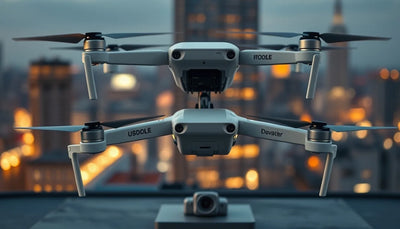
Vyriy Industries has begun testing the SLAVIC UAV, a platform positioned as a replacement for Mavic-class reconnaissance drones, according to Defense Express. The test signals growing demand for alternative small recon aircraft in defense and adjacent commercial markets.

Quick answer
Vyriy Industries is testing the SLAVIC UAV, a drone designed to replace Mavic-class reconnaissance aircraft, according to Defense Express.
- The test was reported by Defense Express, a defense-focused industry outlet.
- The SLAVIC UAV is positioned as an alternative to Mavic-class reconnaissance drones.
- The development points to growing demand for non-DJI small recon platforms in defense contexts.
- Commercial operators should monitor how alternative platforms affect procurement and resale assumptions.
Vyriy Industries has begun testing the SLAVIC UAV, a platform the company is positioning as a replacement for Mavic-class reconnaissance drones, according to a report from Defense Express. The development is the latest signal that defense-focused buyers and adjacent commercial operators are actively seeking alternatives to widely used small uncrewed aircraft in the reconnaissance category.
Fleet readiness
Keep DJI hardware available without overbuying new units.
Use defense and fleet news as a planning signal for repair support, inspected pre-owned aircraft, and replacement timing.

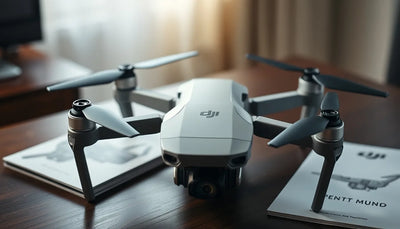
The test matters beyond the defense sector. Mavic-class drones have long occupied a central place in small-scale aerial observation, mapping, inspection, and tactical reconnaissance. When a manufacturer explicitly frames a new platform as a replacement for that class, it raises practical questions about procurement planning, spare parts strategy, and the long-term value of existing DJI fleets in professional and security-adjacent roles.
What the Defense Express report says
Defense Express reported that Vyriy Industries is testing the SLAVIC UAV with the stated goal of replacing Mavic-class reconnaissance drones. The report frames the platform as a direct response to the operational constraints and supply dependencies that have emerged around widely used small commercial drones in defense contexts.
The source does not provide detailed technical specifications, production timelines, or confirmed procurement commitments. Reboot Hub analysis should therefore treat the test as an early-stage industry development rather than a finished market shift. What is clear is that the reconnaissance segment is no longer assumed to be permanently tied to a single dominant hardware family.
For fleet managers and defense-adjacent operators, the report is a useful reminder that platform assumptions should be revisited regularly. A drone category that appeared stable can shift when alternative manufacturers begin field testing aircraft aimed at the same mission profile.
Why Mavic-class replacement matters in defense and commercial markets
Mavic-class drones became common in reconnaissance and observation because they combine compact form factors, ease of deployment, and accessible operator training. That same accessibility made them attractive to commercial inspection teams, public safety units, agricultural surveyors, and small mapping crews. When a new platform targets that class directly, the implications extend well beyond military procurement.
Defense buyers often prioritize supply chain control, repairability, and independence from consumer-oriented product cycles. A purpose-built reconnaissance platform can offer a different ownership model than a consumer drone adapted for field use. If the SLAVIC UAV or similar platforms mature, some institutional buyers may shift portions of their small drone budgets away from consumer-class hardware.
That shift would not eliminate demand for Mavic-class aircraft, but it could change the composition of professional fleets. Operators who currently rely on consumer-class drones for sensitive or repetitive observation work may begin evaluating whether a dedicated reconnaissance platform offers lower lifecycle risk, easier field maintenance, or more predictable parts availability.
What this means for drone owners and the market
The most immediate takeaway for commercial operators is that the small reconnaissance segment is becoming more competitive. Buyers who assumed that Mavic-class hardware would remain the default option for observation work should watch how alternative platforms perform in field testing and early deployment. A credible replacement platform can influence procurement decisions even before it reaches volume production.
For owners of pre-owned DJI drones, the development carries a more subtle but important signal. If defense and institutional buyers gradually reduce their reliance on consumer-class reconnaissance aircraft, the volume of lightly used Mavic-class units entering the secondary market could rise. That would be a supply-side shift, not a demand collapse, but it could affect resale pricing and inventory planning for dealers and fleet operators. Readers evaluating the current pre-owned market can consult the Drone Wiki for reference material on DJI platforms and ownership considerations. For owners evaluating service and lifecycle risk, Drone Wiki explains the relevant repair, parts, resale, or operational path.
Repair and parts strategy is another area worth watching. Consumer-class drones are often maintained through a mix of OEM service and third-party repair channels. A purpose-built reconnaissance platform may be designed with different maintenance assumptions, including field-replaceable components or simplified airframe access. If such platforms gain traction, repair providers may need to expand their capabilities beyond the consumer hardware families that currently dominate service volume.
The practical step for buyers and fleet managers is to avoid overcommitting to a single platform assumption. Keep current hardware in service where it remains cost-effective, but monitor field test results and early procurement signals from defense and public safety buyers. A shift in the reconnaissance category can take years to mature, but the direction of travel is often visible early.
What to watch next
The Defense Express report establishes that testing is underway, but it does not confirm production scale, unit pricing, or formal adoption by any government or institutional buyer. Those details will determine whether the SLAVIC UAV becomes a meaningful market force or remains a niche defense experiment.
Operators should watch for additional reporting on test outcomes, endurance or payload claims, and any announced procurement programs. The most commercially significant signal would be a confirmed order from a defense agency or a public safety organization, since that would indicate that the platform has moved beyond evaluation into operational planning.
For now, the appropriate posture is measured attention. The reconnaissance drone market is not being overturned overnight, but the assumption that Mavic-class hardware will remain the only credible option in the small observation segment is becoming harder to defend.
FAQ
Frequently asked questions
What is the SLAVIC UAV?
The SLAVIC UAV is a drone being tested by Vyriy Industries and positioned as a replacement for Mavic-class reconnaissance drones, according to Defense Express. Detailed specifications and production status were not included in the source report.
Is the SLAVIC UAV already in production or service?
The source report describes testing activity only. There is no confirmed production volume, pricing, or formal procurement commitment in the available information, so operators should treat the platform as an early-stage development.
Should drone buyers or fleet managers change their plans because of this test?
Not immediately. The test is a useful signal that the reconnaissance segment is becoming more competitive, but existing Mavic-class hardware remains widely used. Buyers should monitor further reporting on test outcomes and any announced institutional adoption before adjusting procurement strategy.
Which sources support this update?
The article distinguishes reported information from analysis and does not present an unverified source as official confirmation.
What remains subject to change?
Retail pricing, availability, product bundles and regulatory timelines can change. Readers should verify the latest terms with the named retailer, manufacturer or regulator before acting.
How should buyers or operators use this analysis?
Use the verified facts as a starting point, then compare mission fit, lifecycle support, maintenance needs and current procurement terms before making a purchase or fleet decision.
Konsultowane źródła
- Defense Express via Google News - primary source
W momencie publikacji dodatkowa oficjalna dokumentacja nie była dostępna.
Redakcja Reboot Hub dostarcza analizy zakupowe, serwisowe, odsprzedażowe i operacyjne dla właścicieli dronów. Jeśli zauważysz błąd, skontaktuj się z nami w celu weryfikacji poprawki zgodnie z naszą polityką redakcyjną.