Ukraine's Drone Operators Push for More Autonomy in the Field
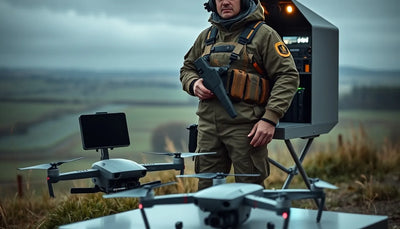
Frontline drone units in Ukraine are asking for platforms that handle more tasks on their own, so a single operator can manage multiple aircraft at once. The shift points to broader changes in how commercial and enterprise fleets will be flown, maintained, and resold.

Quick answer
Soldiers in Ukraine are requesting drones that perform more functions autonomously so one operator can control several aircraft simultaneously, according to a Business Insider report.
- Frontline units want reduced per-drone operator workload
- The goal is one operator managing multiple drones at once
- The trend signals rising demand for autonomy features in field operations
- Commercial fleet planners may see similar pressure for multi-drone control
Drone units in Ukraine are asking for platforms that can handle more of the flying and task execution on their own, according to a Business Insider report published through Google News. The central demand is straightforward: reduce the number of people required to manage each aircraft so that a single operator can oversee multiple drones at the same time. The report does not identify specific manufacturers, models, or autonomy software packages, but it captures a clear operational preference emerging from sustained field use.
Market context
Turn market news into a buy, repair, or trade-in decision.
Compare pre-owned availability, resale timing, and repair economics before the market moves again.

The development matters beyond the battlefield. Autonomy features that allow one pilot to supervise several aircraft simultaneously have direct implications for commercial inspection, mapping, security patrol, and agricultural operations. When a drone can hold position, navigate a route, or complete a capture sequence with less direct input, the economics of fleet deployment change quickly. Reboot Hub analysis suggests that buyers evaluating enterprise platforms should watch how this demand for multi-drone control influences product roadmaps and aftermarket expectations.
What the source reports
Business Insider's reporting indicates that Ukrainian soldiers want drones that do more on their own so one operator can control more at once. The source summary does not provide technical specifications, named autonomy modes, or confirmed vendor responses. It describes a user-driven requirement emerging from real operational conditions rather than a formal procurement announcement or manufacturer launch.
For commercial readers, the absence of hardware details is less important than the direction of travel. When a large, active user base consistently asks for reduced per-aircraft operator load, manufacturers tend to respond with software updates, flight controller improvements, and new mission-planning tools. Those changes often arrive first in enterprise and government-focused platforms before filtering into smaller commercial aircraft. Fleet managers should treat this report as an early signal rather than a confirmed product roadmap.
Why multi-drone control changes fleet economics
The operational logic is simple. If one operator can manage three or five drones instead of one, labor costs per flight hour drop, coverage expands, and mission planning becomes more complex but more productive. Business Insider's report frames this as a frontline requirement, but the same math applies to utility inspection teams, search and rescue units, and large agricultural operations. Fewer hands per aircraft means faster data collection and lower per-acre or per-mile costs.
Reboot Hub analysis points to a secondary effect: maintenance and repair demand becomes more concentrated. When a small team operates a larger fleet, individual aircraft accumulate flight hours faster. That accelerates wear on motors, gimbals, landing gear, and batteries. Operators who adopt multi-drone workflows will need a more disciplined approach to parts availability and service scheduling. Genuine OEM spare parts and professional DJI repair become operational necessities rather than occasional cost items.
What this means for drone owners and the market
Reboot Hub analysis: The push for autonomy in Ukraine is a market trend indicator for the broader commercial drone industry. Buyers who purchase aircraft today should consider whether the platform they choose can support future autonomy-focused firmware updates. A drone with robust flight controller hardware and an active software ecosystem is more likely to gain multi-drone coordination features over time. Aircraft locked into closed, static systems may lose relevance faster as operator expectations shift.
For the pre-owned DJI market, this trend cuts both ways. Current-generation enterprise airframes with strong sensor packages and reliable flight controllers may hold value well if they can accept autonomy software updates. Older models that cannot support advanced mission planning or multi-aircraft coordination could see faster depreciation. Operators planning to resell or trade in equipment should factor software upgrade potential into their purchase decisions. For those managing existing fleets, the practical step is to monitor firmware release notes and manufacturer announcements for autonomy features, and to keep aircraft in service-ready condition through consistent maintenance and access to genuine OEM spare parts. Readers evaluating repair and parts support for current or pre-owned platforms can consult the Drone Wiki for reference material on DJI hardware and service considerations. For owners evaluating service and lifecycle risk, Drone Wiki explains the relevant repair, parts, resale, or operational path.
There is also a procurement angle. Organizations that buy drones in volume may begin weighting autonomy capability more heavily in their evaluation criteria. A platform that reduces operator headcount requirements can justify a higher upfront price if it lowers long-term labor costs. The Business Insider report does not confirm any specific procurement changes, but the user demand it describes is exactly the kind of feedback that shapes future tender requirements and enterprise purchasing behavior.
What operators should watch next
The most useful follow-up signals will come from manufacturer software announcements, enterprise platform updates, and any formal military or government procurement documents that reference multi-drone control requirements. Business Insider's report identifies a demand pattern, not a delivered capability. Operators should avoid assuming that any specific commercial platform will gain autonomy features on a set timeline.
Reboot Hub analysis: In the meantime, fleet managers can take practical steps. Review current aircraft for firmware update history and manufacturer support status. Identify which platforms in the fleet are most likely to receive meaningful autonomy improvements. Build maintenance schedules that account for higher flight-hour accumulation if multi-drone workflows are adopted. And when purchasing additional aircraft, ask vendors directly about multi-aircraft control support, mission planning depth, and software update commitments. The answers will reveal more about future capability than marketing language alone.
The Ukraine report is a reminder that user demand, not just manufacturer innovation, drives drone market evolution. When operators in demanding environments ask for more autonomy, the rest of the industry eventually feels the effect. Commercial buyers who track these signals early will make better fleet, repair, and resale decisions as the technology matures.
FAQ
Frequently asked questions
What did the Business Insider report say about Ukraine's drone operators?
The report said Ukrainian soldiers want drones that perform more functions on their own so one operator can control more aircraft at once. It did not specify particular models, manufacturers, or confirmed autonomy features.
How does this affect commercial drone fleet planning?
If multi-drone control becomes standard, operators can run larger fleets with fewer pilots, lowering labor costs but increasing flight hours per aircraft. That makes maintenance, genuine OEM spare parts, and repair scheduling more important.
Should drone buyers wait for autonomy features before purchasing?
Reboot Hub analysis: Not necessarily. Buyers should evaluate whether current platforms can accept future software updates and ask vendors about multi-aircraft control support. Aircraft with active software ecosystems are more likely to gain autonomy features over time.
Which sources support this update?
The article distinguishes reported information from analysis and does not present an unverified source as official confirmation.
What remains subject to change?
Retail pricing, availability, product bundles and regulatory timelines can change. Readers should verify the latest terms with the named retailer, manufacturer or regulator before acting.
How should buyers or operators use this analysis?
Use the verified facts as a starting point, then compare mission fit, lifecycle support, maintenance needs and current procurement terms before making a purchase or fleet decision.
Konsultowane źródła
- Business Insider via Google News - primary source
W momencie publikacji dodatkowa oficjalna dokumentacja nie była dostępna.
Redakcja Reboot Hub dostarcza analizy zakupowe, serwisowe, odsprzedażowe i operacyjne dla właścicieli dronów. Jeśli zauważysz błąd, skontaktuj się z nami w celu weryfikacji poprawki zgodnie z naszą polityką redakcyjną.